
Anonymous Crypto Trading: What It Really Means and Why It’s Risky
When people talk about anonymous crypto trading, the practice of buying or selling cryptocurrencies without revealing personal identity. Also known as privacy-focused trading, it’s often sold as a way to stay free from government oversight. But in reality, most platforms offering this aren’t about privacy—they’re about hiding fraud. Real anonymity isn’t just about not giving your name. It’s about having control over your data, knowing who holds your keys, and understanding where your money goes. Most so-called anonymous exchanges are just unregulated platforms with no security, no customer support, and no accountability.
Behind the buzzword of anonymous crypto trading, the practice of buying or selling cryptocurrencies without revealing personal identity. Also known as privacy-focused trading, it’s often sold as a way to stay free from government oversight. But in reality, most platforms offering this aren’t about privacy—they’re about hiding fraud. are platforms like BXTEN, BtcPro, and Alita Finance—exchanges with no verified users, no licenses, and no real trading volume. These aren’t privacy tools. They’re traps. Scammers use them to lure people with promises of anonymity, then disappear with their funds. The same goes for fake airdrops like WKIM Mjolnir or KTN Adopt a Kitten—designed to steal your wallet info under the guise of free crypto. Even wrapped tokens like WBTC, which let you use Bitcoin on Ethereum, aren’t anonymous—they’re just custodial. If BitGo fails, your BTC is gone, and no amount of privacy settings can fix that.
crypto scams, fraudulent operations that trick users into sending cryptocurrency with no chance of recovery. Also known as crypto fraud, they thrive where regulation is absent are growing fast, especially in places like Myanmar’s Shwe Kokko zone, where armed groups protect $10 billion in stolen crypto from Americans each year. These aren’t just random hackers. They’re organized networks using romance scams, fake exchanges, and fake airdrops to target people who think they’re trading anonymously. The truth? True privacy in crypto comes from using self-custody wallets, avoiding centralized platforms, and understanding that no exchange that promises anonymity is safe. If a platform doesn’t tell you who owns it, where it’s based, or what licenses it holds, it’s not private—it’s predatory.
What you’ll find below isn’t a list of anonymous trading tips. It’s a collection of real cases where people thought they were trading freely—and lost everything. From dead tokens like OneRing and Fry to fake airdrops and offshore exchanges with zero oversight, these posts show exactly how anonymity becomes a liability. You won’t find hype. You’ll find facts. And you’ll learn how to spot the difference between real privacy tools and dangerous traps.
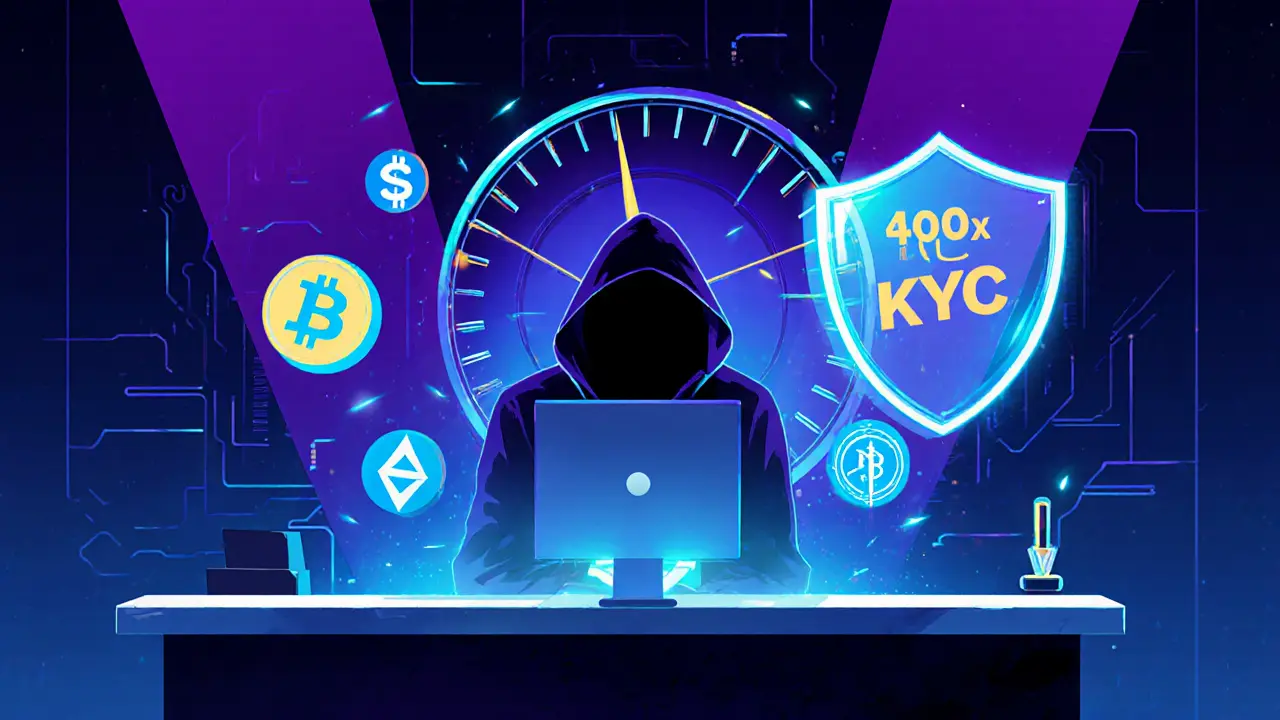
WeDEX Crypto Exchange Review: Anonymous Trading, 400x Leverage, and What You Need to Know
WEEX is a high-leverage, anonymous crypto exchange with 400x futures, no KYC for withdrawals under 10,000 USDT, and copy trading - but no fiat withdrawals or staking. Perfect for privacy-focused traders, not beginners.
read more