
Crypto License Pakistan: What You Need to Know About Legal Crypto Operations in Pakistan
When people ask about a crypto license Pakistan, a formal authorization allowing individuals or firms to legally offer cryptocurrency services under Pakistani law. Also known as crypto regulatory approval, it’s something that doesn’t officially exist yet—but that doesn’t mean crypto isn’t being used. Pakistan hasn’t issued a single crypto license to any exchange or platform as of 2025. The State Bank of Pakistan banned financial institutions from dealing with crypto in 2018, and while that ban hasn’t been formally lifted, enforcement has softened. People still trade. Still hold. Still send Bitcoin and USDT through P2P networks like LocalBitcoins and Paxful.
So what’s really going on? The government hasn’t legalized crypto, but it also hasn’t stopped it. That’s the gray zone. crypto regulations Pakistan, the unofficial rules and enforcement practices that shape how crypto is used despite the lack of formal laws. Also known as crypto enforcement policy, it’s a mix of silence, occasional crackdowns, and quiet tolerance. Banks won’t touch crypto businesses, but millions of Pakistanis use crypto to send remittances, protect savings from inflation, or trade during currency crashes. You won’t find a licensed Binance or KuCoin office in Karachi, but you’ll find dozens of P2P traders in coffee shops. The real question isn’t about licenses—it’s about survival. Crypto isn’t a luxury here. For many, it’s the only way to move money across borders without waiting weeks or paying 10% fees.
There’s a difference between crypto legality Pakistan, whether crypto is permitted under existing financial laws. Also known as crypto status Pakistan, it’s currently unclear. and crypto exchange Pakistan, the platforms or individuals facilitating crypto trades within the country. Also known as local crypto traders, they operate without oversight. No exchange has a license, but traders still exist. Some use offshore platforms. Others use local Telegram groups to match buyers and sellers. No one’s getting arrested for holding Bitcoin—but if you try to open a crypto business with a bank account, you’ll get shut down fast. The rules aren’t written. They’re whispered.
What you’ll find in the posts below aren’t official guides or government documents. They’re real stories from people who’ve tried to trade, invest, or build around crypto in Pakistan. You’ll see how users avoid scams like fake exchanges claiming to be "licensed," how they deal with frozen bank accounts, and why some are turning to stablecoins like USDT as their de facto currency. There’s no license yet. But there’s a market. And it’s growing—not because of policy, but because people have no other choice.
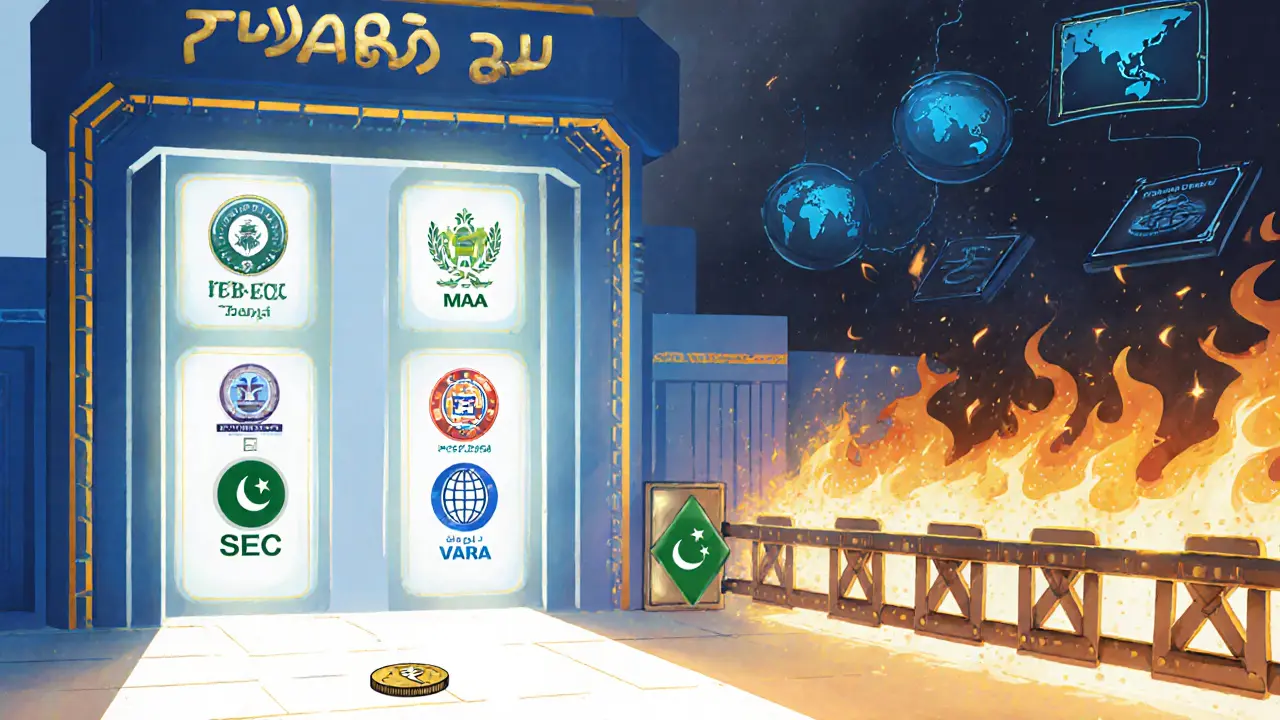
Pakistani Crypto Exchange Licensing Requirements and Process in 2025
Pakistan's new PVARA licensing system in 2025 lets only globally regulated crypto exchanges operate legally. Learn the strict requirements, compliance rules, and the big contradiction with the central bank.
read more