
Play-to-Earn Cryptocurrency: Guides, Airdrops, and Strategies
When working with play-to-earn cryptocurrency, a digital token that rewards players for in‑game activity and often powers blockchain‑based games, also known as GameFi token, it blends gaming mechanics with financial incentives. The broader GameFi, the ecosystem where games, decentralized finance, and community ownership intersect relies heavily on solid tokenomics, the design of supply, distribution, and reward rules that keep a token’s economy healthy. Good tokenomics define earning rates, scarcity, and utility, which directly affect how players earn, trade, and stake their assets. For anyone curious about why some games skyrocket while others stall, the answer often lies in how the underlying cryptocurrency balances inflation with real‑world value. Think of tokenomics as the rulebook for a sports league: without clear scoring and fair play, the competition loses meaning. In the play‑to‑earn world, that rulebook decides whether a player’s time translates into sustainable income or just a fleeting hype. Below we’ll unpack how these pieces fit together and why they matter for both gamers and investors.
Key Elements of Play-to-Earn Crypto
One of the fastest ways new gamers get into a project is through an airdrop, a free distribution of tokens to early users, community members, or specific wallet holders. Airdrops serve as both marketing splash and a way to seed the token’s network effect; a larger holder base can boost liquidity and create more trading opportunities. However, not every airdrop is legit—scams hide behind flashy promises, so it’s crucial to verify the source, check smart‑contract addresses, and watch for red‑flag patterns like mandatory private key sharing. Alongside airdrops, many play‑to‑earn titles embed NFTs, unique digital assets that represent in‑game items, characters, or land parcels into their economies. NFTs give players true ownership, letting them sell, lease, or combine assets across multiple games, which adds depth to the earning model. When a game releases a limited‑edition NFT, it often couples the drop with a token airdrop, rewarding early adopters with both a collectible and tradable currency. Understanding how airdrops and NFTs interact helps you spot genuine growth potential versus hype‑driven pumps. For example, a well‑structured airdrop that rewards players for completing in‑game milestones can drive long‑term engagement, while a one‑off free token giveaway without utility usually fizzles quickly. Knowing the mechanics lets you prioritize projects that blend sustainable tokenomics with meaningful NFT utilities.
We’ll also touch on the practical side: how to turn in‑game actions into real‑world value without getting caught in volatile price swings. Successful play‑to‑earn strategies start with a solid wallet setup, low‑fee transaction routes, and awareness of market timing. Many gamers use decentralized exchanges to swap earned tokens for stablecoins, then move the stablecoins to a centralized platform for fiat conversion—a process that smooths out sudden drops and protects earnings. Smart contract safety is another must‑watch point; always audit the contract address, confirm the audit reports, and keep an eye on gas fees, especially on congested networks like Ethereum. By combining disciplined trading, proper token storage, and awareness of airdrop cycles, you can build a hedge against the inherent risk of emerging crypto games. In short, mastering play-to-earn cryptocurrency means treating each game like a mini‑business: you need to understand the revenue model, manage cash flow, and reinvest wisely. Below you’ll find a curated list of articles that walk you through flash‑loan arbitrage tactics, DCA pitfalls, privacy‑focused exchanges, airdrop checklists, and deep dives into specific gaming tokens. Dive in to sharpen your toolkit and stay ahead of the next wave of blockchain gaming.
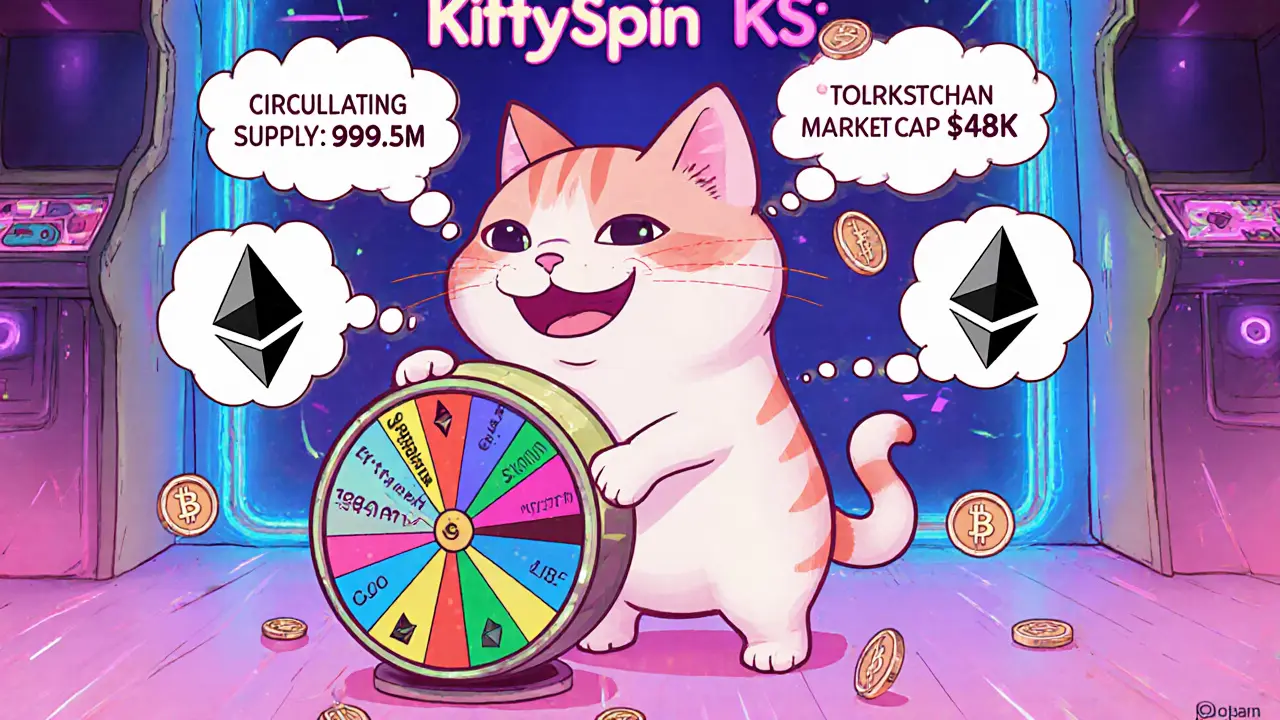
KittySpin (KS) Token Explained: Play‑to‑Earn Crypto Coin Overview
KittySpin (KS) is a micro‑cap play‑to‑earn token with unclear blockchain roots, tiny liquidity, and high risk. This guide breaks down its tokenomics, trading venues, roadmap, and how it stacks up against major gaming coins.
read more