
Wrapped Tokens Explained: What They Are, Why They Matter, and What to Watch Out For
When you hear wrapped tokens, digital assets that represent another cryptocurrency on a different blockchain. Also known as tokenized versions, they enable Bitcoin to move on Ethereum, or Ethereum to work on Solana—without changing the original coin. Think of them like a voucher: you lock your real ETH in a smart contract, and in return, you get wETH, which acts like ETH but on a different network. It’s not magic—it’s engineering. And it’s why DeFi apps can connect across chains without needing everyone to use the same blockchain.
Wrapped tokens solve a real problem: blockchains don’t talk to each other by default. If you own Bitcoin but want to earn interest on Aave, you need a way to bring it over. That’s where wETH, the wrapped version of Ethereum used on other chains comes in. It’s the most common wrapped token, used in over 80% of cross-chain DeFi trades. But wrapped tokens aren’t just for ETH. You’ll find wBTC (wrapped Bitcoin), wSOL (wrapped Solana), and even wrapped versions of obscure coins like RING or FRY—though many of those are just risky copies with no real backing. The key difference? Real wrapped tokens are backed 1:1 by the original asset, locked in a trusted vault or smart contract. Fake ones? They’re just code with no reserve.
Using wrapped tokens means you’re trusting someone else to hold your original crypto. That’s why token bridging, the process of moving assets between chains using wrapped versions is both powerful and dangerous. Bridges have been hacked for over $2 billion in losses since 2021. Some platforms, like Thruster V2 or Alita Finance, pretend to support wrapped tokens but have no real security. Others, like Mercurity.Finance, avoid them entirely because they’re too risky for regulated users. The safest wrapped tokens come from well-known projects like Wrapped Bitcoin (wBTC), managed by a multi-signature group including BitGo and Coinbase. Even then, you’re still trusting a centralized group to not run off with your funds.
And here’s the catch: wrapped tokens aren’t free. Every time you wrap or unwrap, you pay gas fees. Sometimes, you’re stuck with a token that can’t be unwrapped because the bridge is down—or the project is dead, like OneRing or HaloDAO. That’s why you’ll find so many CoinProven posts warning about tokens with no volume, no team, and no real use. A wrapped token isn’t a new investment. It’s a tool. And like any tool, it’s only as good as the system around it.
What you’ll find below isn’t a list of the best wrapped tokens to buy. It’s a collection of real stories—about fake airdrops pretending to be wrapped tokens, exchanges that don’t know how they work, and tokens that vanished because their bridge collapsed. You’ll see how KTN, CSS, and GMPD airdrops tricked people into thinking they were getting something new, when they were just chasing wrapped versions of dead coins. You’ll learn why platforms like BtcPro or Alita Finance can’t be trusted with your wrapped assets. And you’ll understand why, even when wrapped tokens seem useful, the real value isn’t in the token itself—but in the trust behind it.
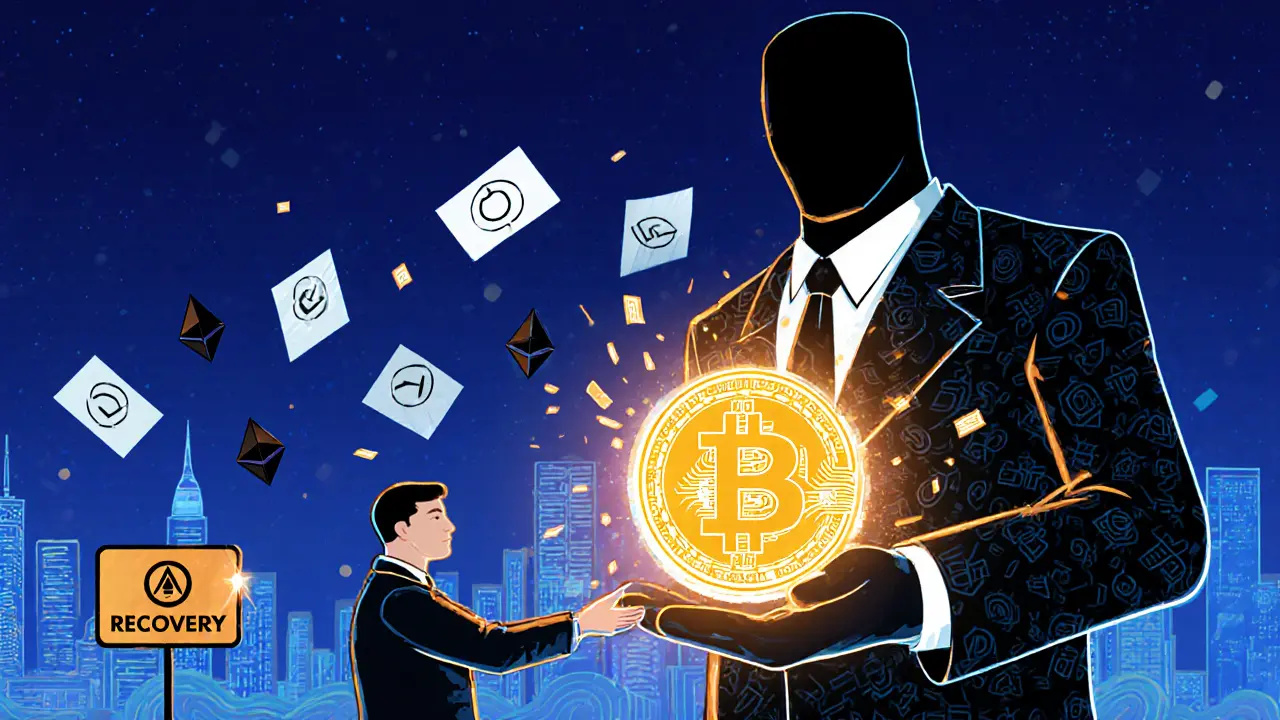
Custodial Risk of Wrapped Tokens: What You Must Know Before Using WBTC and Other Cross-Chain Assets
Wrapped tokens like WBTC let you use Bitcoin on Ethereum, but they require trusting a third party to hold your real BTC. If that party fails, your assets are gone. Here’s how custodial risk works-and how to protect yourself.
read more