
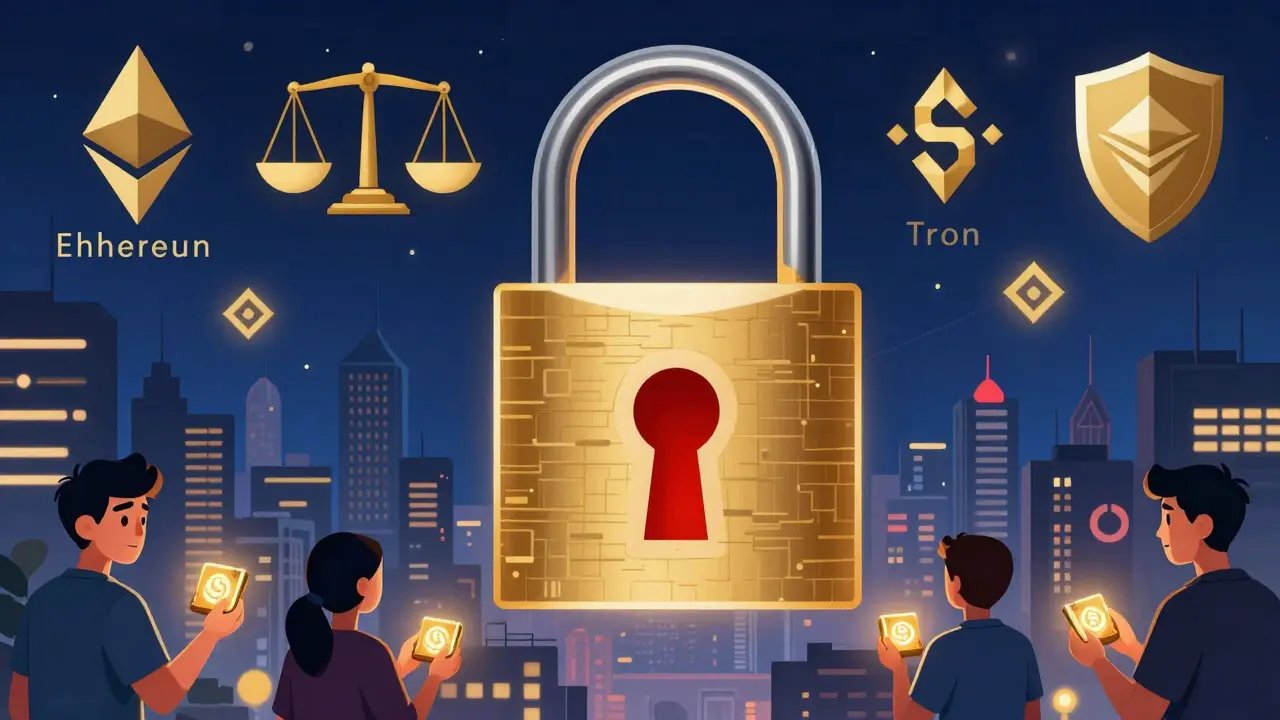
The Philippines has frozen $150 million in cryptocurrency assets - not because of a hack, not because of a scam, but because the platforms holding those funds weren’t licensed to operate in the country. This isn’t a minor cleanup. It’s a seismic shift in how the Philippines is handling its booming crypto market, where over $107 billion in digital assets are already in circulation. And for tens of thousands of everyday Filipinos, it’s turned their savings into digital limbo.
What Exactly Got Frozen?
The Securities and Exchange Commission (SEC) of the Philippines targeted 20 unlicensed crypto exchanges in early 2025. These weren’t offshore shell companies hiding in tax havens. Many were platforms actively marketing to Filipinos - offering low fees, easy mobile sign-ups, and promotions tied to local payment methods like GCash and Maya. They looked legitimate. They felt safe. Until one day, they just vanished from app stores and websites. The frozen assets weren’t random. About 68% were stablecoins - mostly USDT and USDC - the digital tokens pegged to the U.S. dollar that most Filipinos use to avoid Bitcoin’s wild swings. Another 22% was Bitcoin, and 10% were other altcoins. The money was spread across Ethereum (45%), Binance Smart Chain (30%), and Tron (15%). These aren’t obscure blockchains. They’re the backbone of everyday crypto use. The SEC didn’t freeze the assets because they were stolen. They froze them because the platforms didn’t register as Crypto-Asset Service Providers (CASP) under new rules issued in January 2025. That’s it. No court order. No criminal charge. Just a regulatory box left unchecked.Why Now? The Three-Year Moratorium
This crackdown didn’t come out of nowhere. For three years, from September 2022 to September 2025, the Bangko Sentral ng Pilipinas (BSP) put a hold on issuing licenses to any crypto exchange. The idea was to study the market. But while regulators watched, the market exploded. By early 2025, over 20 million Filipinos were using crypto platforms - mostly Coins.ph, which is licensed and regulated. But dozens of others filled the gap. The SEC stepped in because the unlicensed platforms were becoming a problem. They weren’t keeping customer funds separate from company money. They weren’t verifying identities. They weren’t reporting suspicious activity. And when users tried to withdraw, some platforms delayed or disappeared. The SEC saw a ticking time bomb. The freeze was a signal: the grace period is over. The BSP’s moratorium ends September 1, 2025. The SEC wanted to clear out the bad actors before new licenses were issued. It wasn’t just about control. It was about survival - protecting millions of Filipinos who treat crypto like a bank account.Who Lost Money? And How Hard?
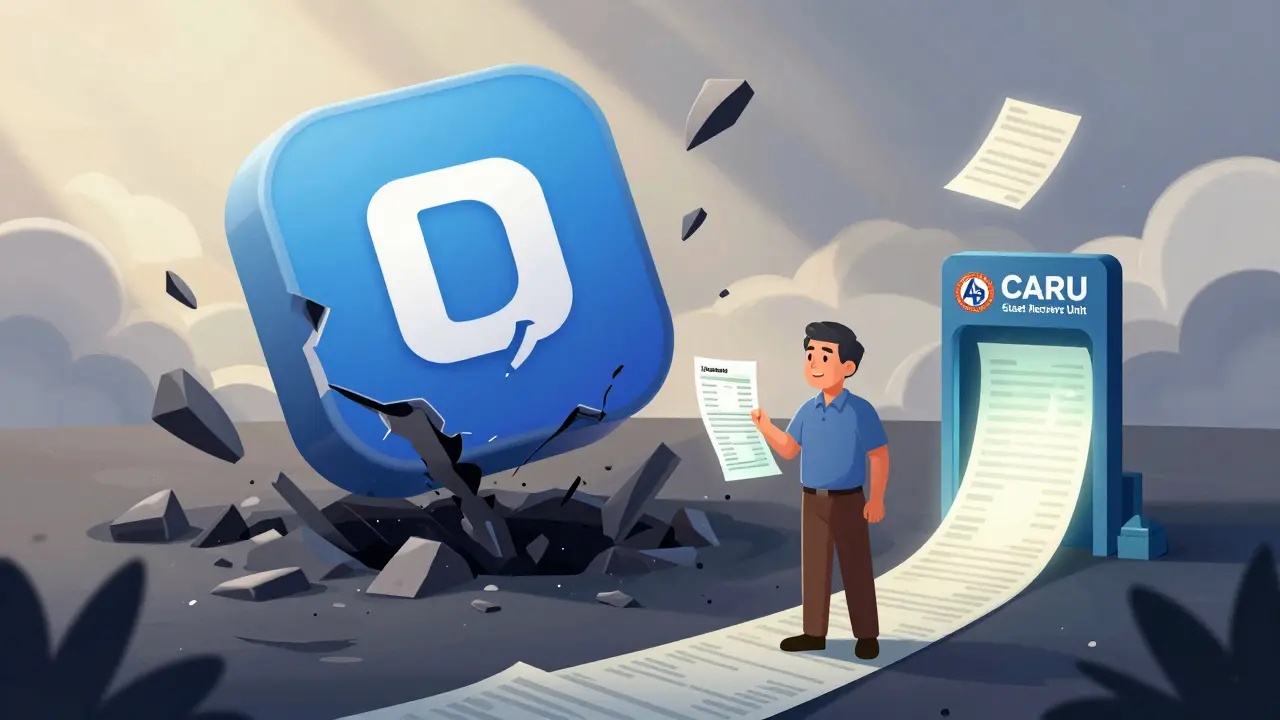
The average loss per affected user was $4,670. That’s not pocket change. In the Philippines, that’s nearly a year’s salary for many. Reddit threads like “My $15k frozen in Bitget PH - What now?” had over 1,200 upvotes. People weren’t just angry. They were terrified. Trustpilot reviews for the blacklisted exchanges dropped from 4.2 stars to 1.3 in just two months. The top complaints? “Funds frozen without warning” and “No clear way to get them back.” The SEC set up a recovery unit - the Crypto Asset Recovery Unit (CARU) - to help users get their money back. But the process is brutal. You need:- A government-issued ID
- Proof of ownership - blockchain transaction records
- Documentation showing your funds weren’t from illegal activity
Is This Fair? Experts Are Divided
Dr. Maria Santos, a financial regulation professor at the University of the Philippines, called the freeze “necessary but harsh.” She pointed out that many users didn’t even know they were using an unlicensed platform. They just downloaded the app because it had good reviews and low fees. Former BSP Deputy Governor Nestor Espenilla Jr. disagreed. He said the Philippines was becoming a magnet for crypto crime. In the first half of 2025 alone, $2.17 billion was stolen globally from crypto services. The Philippines had seen a 40% rise in phishing scams targeting crypto users. “If you don’t clean the house now,” he said, “you’ll be cleaning up a disaster later.” A survey by the Association of Cryptocurrency Enthusiasts of the Philippines (ACEP) showed 62% of users supported the freeze - but 78% had no idea what licensing rules they were breaking. That’s the real failure: communication.What Happens Next?
The SEC announced a “Regulatory Sandbox” starting September 15, 2025. Ten platforms will be allowed to operate temporarily while the full licensing system is built. The BSP will begin accepting applications for full licenses the same day. The SEC also said it might release a portion of the frozen funds to verified users starting November 1, 2025. But legal battles are already brewing. Bitget and Bybit - both blocked in the Philippines - are preparing lawsuits. They argue the SEC didn’t give them enough time to comply. The real question isn’t whether the freeze was justified. It’s whether the system can handle the fallout. Can the SEC process 30,000+ claims fairly? Can users recover their money before they’re forced to sell their homes or skip medical care? Can the government rebuild trust?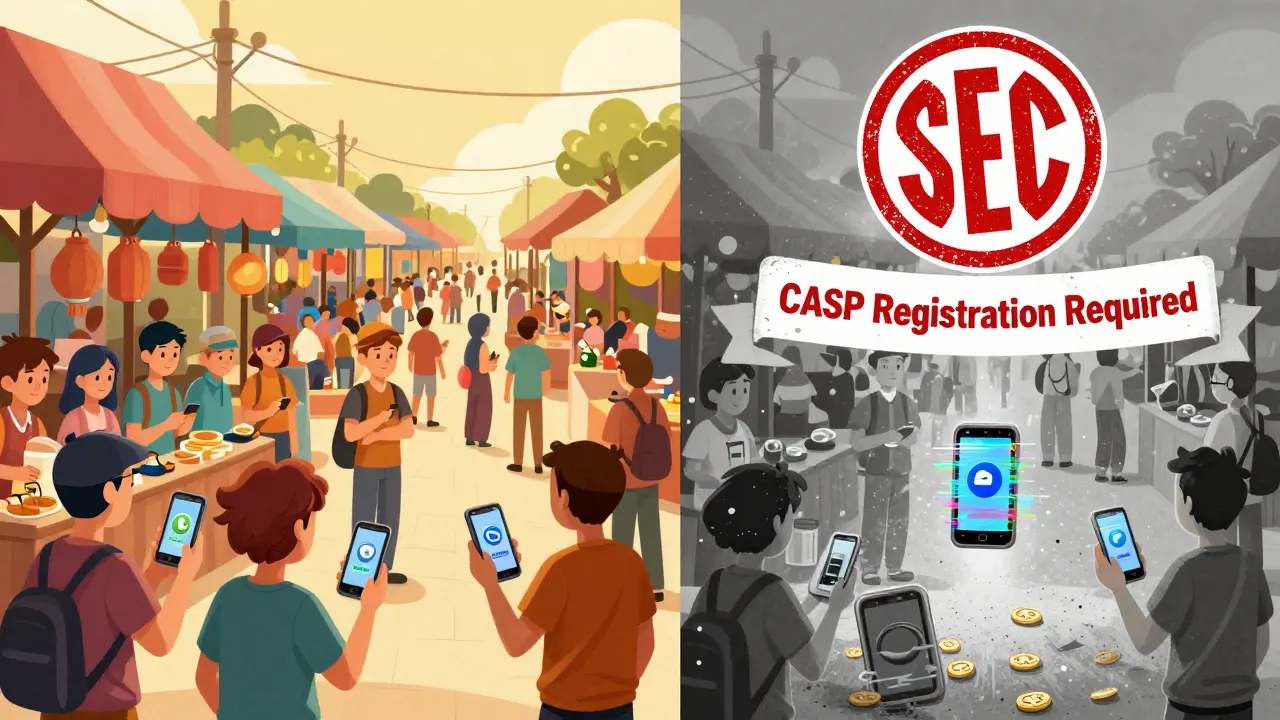
What This Means for You
If you’re a Filipino using crypto:- Only use platforms listed on the SEC’s official CASP registry.
- Keep your transaction IDs, wallet addresses, and withdrawal confirmations.
- Never ignore a platform’s terms - even if they seem boring.
- If your funds are frozen, don’t wait. File with CARU now. The deadline isn’t set, but delays hurt your chances.
- This isn’t just a local issue. It’s a warning. Emerging markets are moving fast on crypto regulation.
- Platforms that ignore local laws won’t survive. Not even big ones.
- Regulators aren’t trying to kill crypto. They’re trying to stop it from killing people.
Will the $150 Million Ever Be Unfrozen?
It’s not all lost. The SEC isn’t trying to confiscate money. They’re trying to separate good funds from bad ones. If you can prove you bought crypto legally, you have a shot. But you need to act - and you need to document everything. The $150 million isn’t just a number. It’s 30,000 stories. A mother who saved for her child’s education. A farmer who used crypto to sell produce overseas. A student who traded to pay tuition. Their money isn’t gone. But unless they jump through the SEC’s hoops, it might as well be. The Philippines didn’t ban crypto. It demanded responsibility. And now, the real test begins.Why were $150 million in crypto assets frozen in the Philippines?
The Philippine Securities and Exchange Commission (SEC) froze $150 million in crypto assets because they were held by 20 unlicensed cryptocurrency exchanges that failed to register as Crypto-Asset Service Providers (CASP) under new regulations issued in January 2025. The freeze was not due to fraud or theft, but because these platforms operated without legal authorization, violating investor protection and anti-money laundering rules.
What percentage of the Philippine crypto market does the frozen amount represent?
The $150 million represents about 0.14% of the total $107 billion in crypto assets held by Filipinos as of early 2025. While small in proportion, the impact was significant because the frozen funds were concentrated among retail users who relied on those platforms for daily transactions and savings.
What types of crypto assets were frozen?
The frozen assets were mostly stablecoins - 68% were USDT and USDC - because Filipinos use them to avoid Bitcoin’s volatility. Bitcoin made up 22%, and other altcoins accounted for 10%. The funds were spread across Ethereum (45%), Binance Smart Chain (30%), and Tron (15%), the most commonly used blockchains in the Philippines.
Can users get their frozen crypto back?
Yes, but only through the SEC’s Crypto Asset Recovery Unit (CARU). Users must submit proof of identity, transaction history, and evidence that their funds weren’t from illegal activity. As of July 2025, only 12% of affected users completed the process. Applications are rejected if documentation is incomplete - and processing takes an average of 47 days.
What should Filipino crypto users do now to avoid losing funds?
Only use exchanges listed on the SEC’s official Crypto-Asset Service Provider (CASP) registry. Keep screenshots of all transactions, wallet addresses, and withdrawal confirmations. Never ignore platform terms - even if they seem technical. If your funds are already frozen, file a claim with CARU immediately. Delays reduce your chances of recovery.
Is the Philippines cracking down on crypto because it’s dangerous?
No. The Philippines has one of the highest crypto adoption rates in the world - 8th globally in 2024. The crackdown isn’t about banning crypto. It’s about protecting users from unregulated platforms that don’t safeguard funds or verify identities. The goal is to make crypto safer, not to stop it.
What’s happening with crypto licensing in the Philippines after September 2025?
The Bangko Sentral ng Pilipinas (BSP) lifted its three-year moratorium on crypto exchange licenses on September 1, 2025. The SEC opened the first round of license applications on September 15, 2025. A new Regulatory Sandbox allows 10 vetted platforms to operate temporarily while full rules are finalized. The market is moving toward legal, supervised platforms - not away from crypto.

Comments
Pramod Sharma
Regulation isn't the enemy. Unregulated chaos is. This is just capitalism growing up.
Callan Burdett
Imagine trusting an app with your life savings because it had a nice UI and a 5-star review. That’s not crypto. That’s a lottery ticket with extra steps.
Bill Sloan
Bro this is wild 😳 I thought I was the only one who lost cash on those sketchy PH exchanges. My uncle put his pension in USDT and now he’s crying over WhatsApp. We need better education, not just crackdowns.
CHISOM UCHE
The structural vulnerability here lies in the misalignment between retail user behavior and institutional compliance frameworks. The average user treats stablecoins as fiat proxies, unaware of the AML/KYC obligations incumbent upon the service provider. This regulatory asymmetry creates a systemic externality - the user bears the cost of non-compliance by the intermediary. The SEC’s intervention, while disruptive, is an ex-post correction of a market failure rooted in information asymmetry and network effects.
Andre Suico
It’s important to remember that this isn’t about banning crypto. It’s about ensuring that platforms handling people’s life savings meet minimum standards. The fact that 88% of recovery applications are incomplete speaks volumes about the need for better outreach - not just enforcement.
Sarah Baker
To everyone who lost money - I see you. This isn’t your fault. You trusted a system that failed you. But you’re not alone. There are people fighting to get your money back. Keep documenting. Keep showing up. This isn’t over. And your resilience? It’s already changing the game.
ASHISH SINGH
They froze the funds because they’re scared of real decentralization. This is the beginning of the Great Crypto Purge™. The banks are whispering to the SEC. Mark my words - the next thing they’ll do is force KYC on wallets. They don’t want you to be rich. They want you to be obedient.
Nishakar Rath
lol so now you need government paperwork to own digital money what a joke this is why we need bitcoin cash the real one not this corporate crypto crap
Katherine Melgarejo
So the government freezes $150M… and then we’re supposed to be grateful they didn’t just steal it? Thanks for the charity, guys.
Anna Gringhuis
Let’s be real - if this had happened in the U.S., people would be rioting. Here? People are just… waiting. That silence is louder than any protest. We’ve normalized financial precarity.
Anthony Ventresque
I get why they did it, but the real tragedy is how little warning there was. People weren’t given a heads-up - they were just… cut off. That’s not regulation. That’s negligence dressed up as policy.
Patricia Chakeres
Of course they froze it. The SEC’s been in bed with traditional banks since day one. This isn’t about protecting users - it’s about killing competition. Crypto’s biggest threat isn’t scammers. It’s regulators with a monopoly mindset.
Jason Zhang
They’re calling it a ‘crackdown’ but it feels more like a bait-and-switch. Let the market grow wild for three years, then swoop in and say ‘oops, you broke the rules we never told you about.’ Classic.
Michael Jones
Users must retain transaction records, wallet addresses, and withdrawal confirmations. Failure to do so is not merely negligent - it is a critical oversight that undermines recovery efforts. Documentation is not optional; it is the foundation of financial sovereignty in decentralized systems.
Christina Shrader
My mom used GCash to buy USDT so she could send money to her sister in Manila. She didn’t know what CASP meant. She just wanted to help. This isn’t about crypto. It’s about people.