
Shwe Kokko Scams: How Crypto Fraud Rings Operate in Myanmar's Lawless Zones
When you hear Shwe Kokko scams, a network of criminal enterprises operating in Myanmar’s Shwe Kokko border zone that lure victims into crypto fraud through fake trading platforms and romance scams. Also known as Myanmar crypto scam centers, these operations are not random hackers—they’re organized, armed, and backed by human trafficking rings. This isn’t some underground forum or sketchy Telegram group. It’s a $10 billion industry built on stolen identities, fake apps, and people trapped in modern slavery—both the victims and the scammers.
These scams don’t just happen online. They’re run from guarded compounds near the Thai border, where victims are forced to work 16-hour days convincing strangers to send crypto to fake exchanges. The tools? Android phones, cloned websites, and AI-generated voice calls that mimic real customer service. The targets? People looking for quick crypto gains, lonely individuals on dating apps, and newcomers who don’t know how to spot a fake exchange. The result? Real people lose life savings, while the scammers—often themselves kidnapped and forced to work—can’t leave. Crypto romance scams, a subtype of fraud where scammers build fake emotional relationships to gain trust before asking for crypto transfers are the most common entry point. A 65-year-old widow in Ohio, a student in Canada, a nurse in Australia—all lured by someone who never existed.
What makes these scams so hard to stop? OFAC sanctions, U.S. government penalties targeting specific individuals and entities involved in international financial crimes have been issued against key operators, but the infrastructure keeps rebuilding. Exchanges like BXTEN and WEDEX, while not directly tied to Shwe Kokko, are often used as exit points because they lack KYC and allow anonymous withdrawals. These platforms don’t care where the money comes from—they just want volume. And in a region where local police are paid off and border guards turn a blind eye, there’s no real accountability. The money flows out through wrapped tokens, mixers, and peer-to-peer trades, vanishing into the global crypto network.
You won’t find these scams on CoinMarketCap. They don’t list real projects—they list fake ones. Tokens like $LAMBO or RING might look like legitimate meme coins, but if they’re promoted by someone on TikTok who says "I made 10x in a week," it’s likely part of a pump-and-dump run orchestrated from Shwe Kokko. The same groups behind these fake tokens are running the romance scams. They’re all connected. And they’re all designed to make you believe you’re getting a deal—when you’re actually funding a crime ring.
Below, you’ll find real reviews, deep dives, and warnings from people who’ve seen this up close. From exchanges that look legit but aren’t, to airdrops that don’t exist, to tokens with zero value and zero future—this collection cuts through the noise. If you’re wondering why your favorite crypto platform feels off, or why someone you met online keeps asking for your wallet address, the answers are here. Don’t wait until it’s too late.
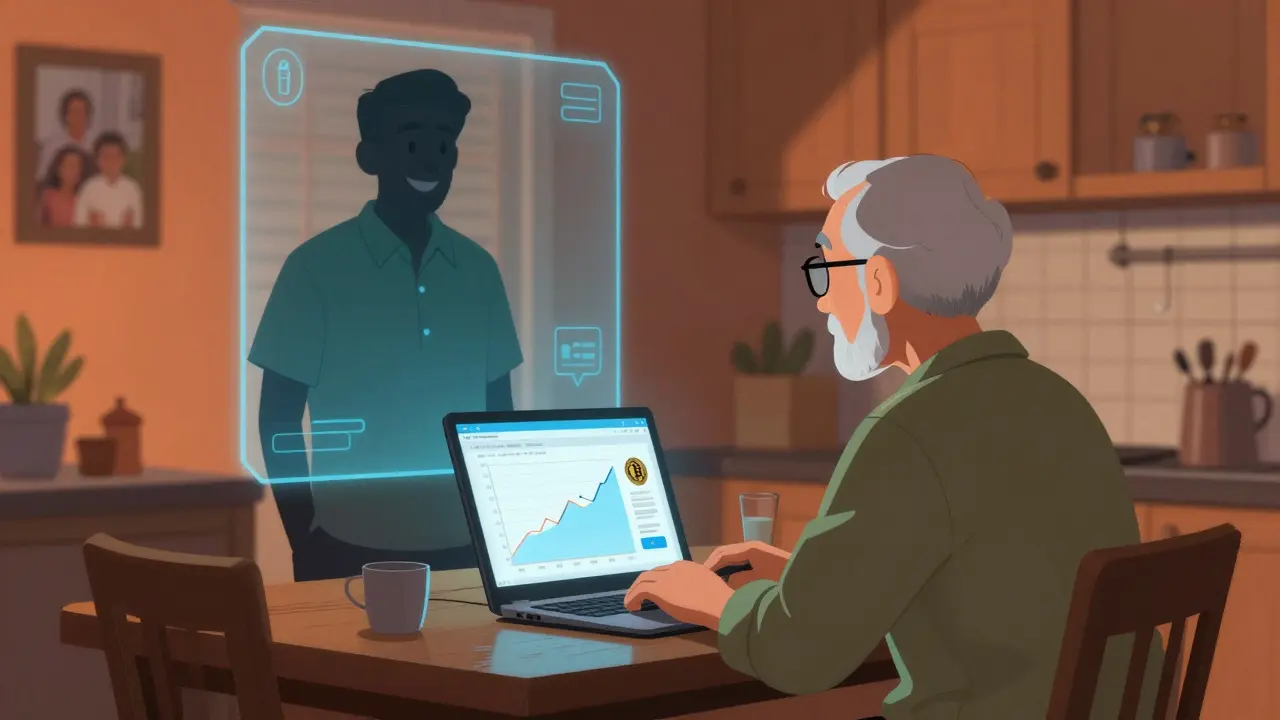
Myanmar Crypto Scam Networks: How $10 Billion in Fraud Operations Are Targeting Americans
Myanmar-based crypto scam networks have stolen over $10 billion from Americans in 2024, operating with armed group protection in Shwe Kokko. U.S. sanctions have targeted key players, but the crisis continues to grow.
read more