
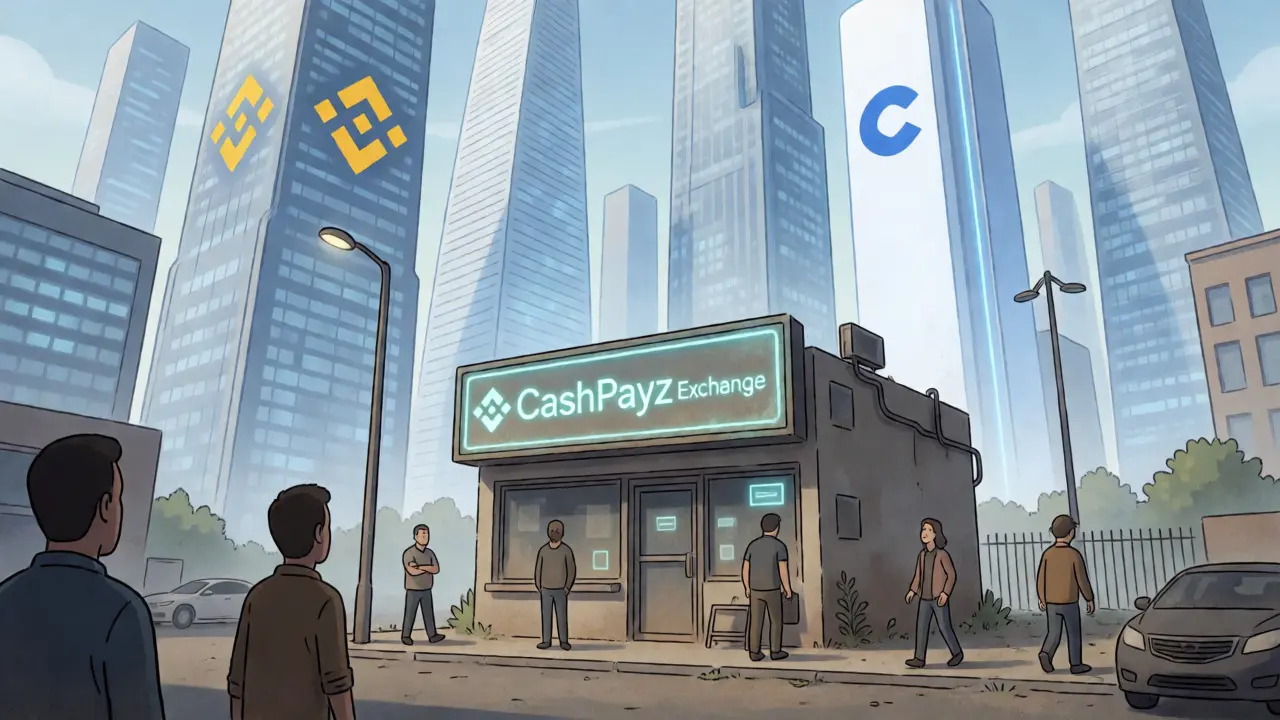
You found CashPayz Exchange on a list, maybe CoinMarketCap or Revain, and now you’re wondering if it’s worth your time. Here is the blunt truth: this platform is a ghost town compared to giants like Binance or Coinbase. Launched in December 2018 out of India, it has barely made a ripple in the global crypto conversation since then. If you are looking for deep liquidity, massive asset variety, or robust community support, you might be barking up the wrong tree.
This review cuts through the noise. We aren’t going to pretend we have insider access to their internal server logs because, frankly, that data isn’t public. Instead, we look at what is verifiable, what is missing, and why those gaps matter for your wallet. Whether you are a beginner trying to find a simple spot to trade INR pairs or a veteran skeptical of low-volume exchanges, understanding CashPayz requires reading between the lines of its sparse digital footprint.
The Digital Footprint Problem
When you search for major exchanges, you get thousands of reviews, YouTube tutorials, Reddit threads, and news articles. For CashPayz? Not so much. It sits on aggregators like Revain with only about 11 user reviews. That is not enough to build trust. It is barely enough to form an opinion.
Why does this matter? In crypto, information asymmetry is dangerous. If no one is talking about an exchange, it usually means one of two things: either it serves a very niche local market that doesn’t care about global discourse, or it lacks the volume and features to attract attention. CashPayz appears to fall into the first category, but the lack of transparency makes the second possibility hard to rule out. The exchange’s financial reserves are not publicly disclosed on major tracking platforms. This absence of proof-of-reserves is a red flag for any cautious trader in 2026.
Operational Status and Market Presence
CashPayz is still operational. It hasn’t vanished overnight, which is good news if you already have funds there. However, "operational" doesn't mean "thriving." The platform maintains a listing on cryptocurrency trackers, suggesting it processes trades, but the volume metrics are often unavailable or negligible in broader market analyses.
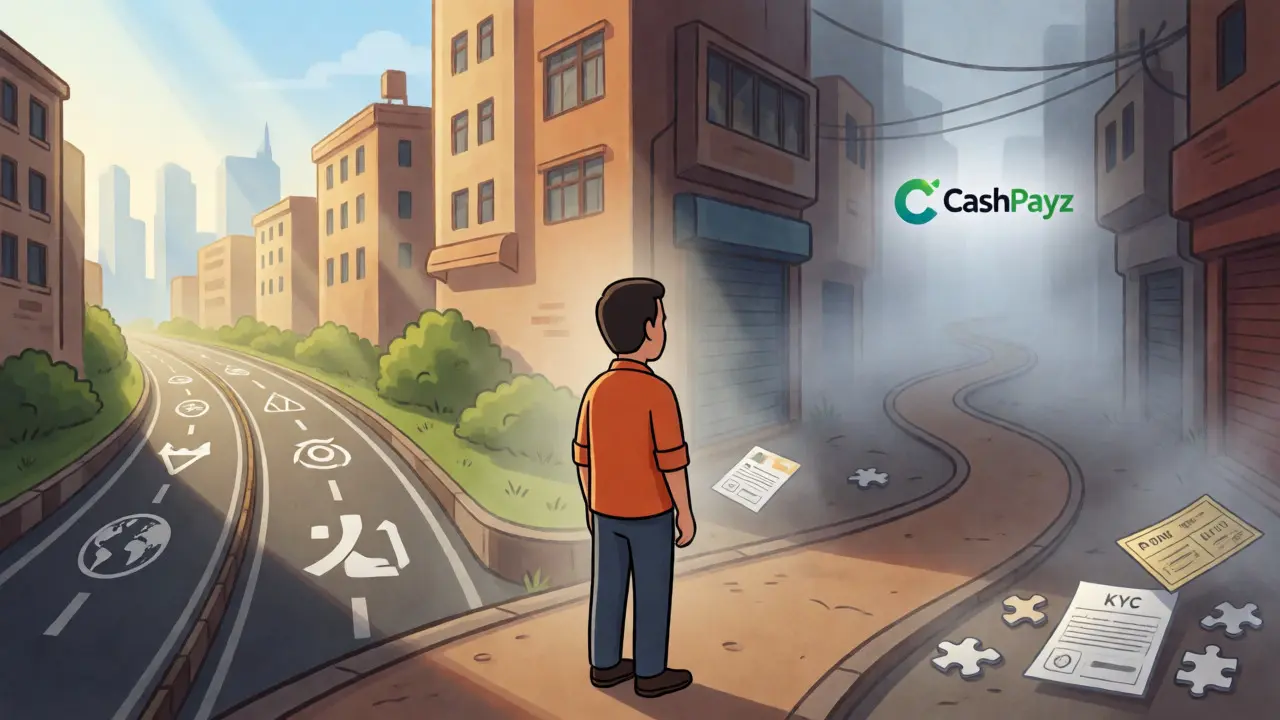
Being based in India places CashPayz in a unique regulatory environment. Indian crypto regulations have shifted dramatically over the last few years, impacting how local exchanges handle taxes, KYC (Know Your Customer), and banking rails. A platform surviving this long suggests some level of compliance adaptability, but without explicit documentation of their current licensing status under Indian law, users are left guessing. Are they fully compliant with the latest RBI guidelines? Is their tax reporting integrated? These questions remain unanswered in public forums.
| Feature | CashPayz Exchange | Major Global Exchange (e.g., Binance) |
|---|---|---|
| Launch Year | 2018 | Varies (mostly pre-2017) |
| Public Reviews | ~11 on Revain | Tens of thousands across platforms |
| Proof of Reserves | Not Publicly Disclosed | Regularly Audited/Published |
| Global Visibility | Low/Niche | High/Massive |
| Primary Market | Likely India-focused | Global |
What Users Actually Say
With only a handful of reviews available on sites like Revain, sentiment analysis is tricky. Early users likely appreciated the simplicity or specific INR payment gateways when fiat on-ramps were harder to navigate in India. Positive feedback tends to focus on basic functionality: can I deposit Rupees? Can I buy Bitcoin? Yes.
Negative feedback, where it exists, typically points to the same issues plaguing small exchanges: slow customer support, limited coin selection, and withdrawal delays. Without a large sample size, it is hard to say if these are systemic failures or isolated incidents. But here is the kicker-if you encounter a problem, do you really want to rely on a support team that might be understaffed because the platform doesn’t generate massive revenue?
Fees and Trading Experience
Most users choose an exchange based on fees. CashPayz does not prominently advertise a complex tiered fee structure in public search results. This could mean flat rates, competitive maker/taker fees, or simply a lack of marketing effort. In my experience with smaller platforms, hidden costs often lurk in withdrawal fees rather than trading commissions.
If you are planning to move assets off-platform frequently, check the withdrawal fees for USDT, BTC, and ETH before depositing anything. Small exchanges sometimes charge high network fees to cover their own operational overheads. Also, consider the spread. Low-volume exchanges often have wider bid-ask spreads. You might see a "zero fee" trade, but pay for it by buying Bitcoin at 0.5% above the global average price. Always compare the final cost, not just the headline fee percentage.
Security Concerns and Trust Factors
Security is non-negotiable. Since CashPayz does not publish regular proof-of-reserves audits, you are trusting them blindly with your keys. In the post-FTX era, blind trust is expensive. Does CashPayz use cold storage for the majority of user funds? Do they have insurance coverage for hacks? These details are scarce.
Compare this to larger entities that publish Merkle Tree proofs quarterly. The lack of such transparency at CashPayz means you should treat it as a custodial risk. Keep only what you need for active trading on the platform. Move long-term holdings to a hardware wallet immediately after purchase. Never let convenience override security protocols when dealing with lesser-known exchanges.
Who Should Use CashPayz?
So, who is this actually for? CashPayz isn’t for day traders seeking arbitrage opportunities across multiple venues. It isn’t for HODLers wanting maximum asset diversity. It might appeal to:
- Local Indian Users: If you prefer a domestic platform with specific UPI or IMPS integration that works seamlessly for your bank.
- Beginners Avoiding Complexity: If the interface is stripped-down and easy to understand, it might reduce cognitive load for newbies.
- Specific Asset Traders: If they list a token you can’t easily buy elsewhere with INR, though this is rare given the dominance of WazirX, CoinDCX, and others in India.
For everyone else, the opportunity cost of using CashPayz-risking lower liquidity and higher spreads-likely outweighs the benefits.
Final Verdict: Proceed with Caution
CashPayz Exchange is a survivor, not a leader. Its longevity since 2018 shows resilience, but its lack of public data raises valid concerns about scale and transparency. It is not necessarily a scam, but it is certainly not a top-tier choice for most global or serious regional traders.
If you must use it, start small. Test the withdrawal process with a minimal amount before committing significant capital. Monitor their social media channels for activity levels; silence often precedes trouble in the crypto world. And always, always keep your private keys safe offline.
Is CashPayz Exchange safe to use?
Safety is relative. While it has been operational since 2018, the lack of published proof-of-reserves and limited user reviews makes it riskier than major exchanges. Use it for small amounts and withdraw profits regularly.
Does CashPayz require KYC verification?
Most Indian exchanges enforce strict KYC due to regulatory pressure. Expect to provide PAN card, Aadhaar, and bank details. Check their specific terms during sign-up as policies may change.
What cryptocurrencies are supported on CashPayz?
Information is limited, but it typically supports major coins like Bitcoin, Ethereum, and popular altcoins. The selection is likely narrower than global giants, focusing on high-demand tokens in the Indian market.
How do I contact CashPayz customer support?
Support options are often limited to email tickets or web forms on smaller exchanges. Response times can vary significantly. There is little evidence of live chat or phone support availability.
Can I trade directly with INR on CashPayz?
Yes, being an India-based exchange, it likely supports INR deposits via UPI, NEFT, or RTGS, allowing direct fiat-to-crypto trading without needing stablecoin conversions first.

Write a comment