
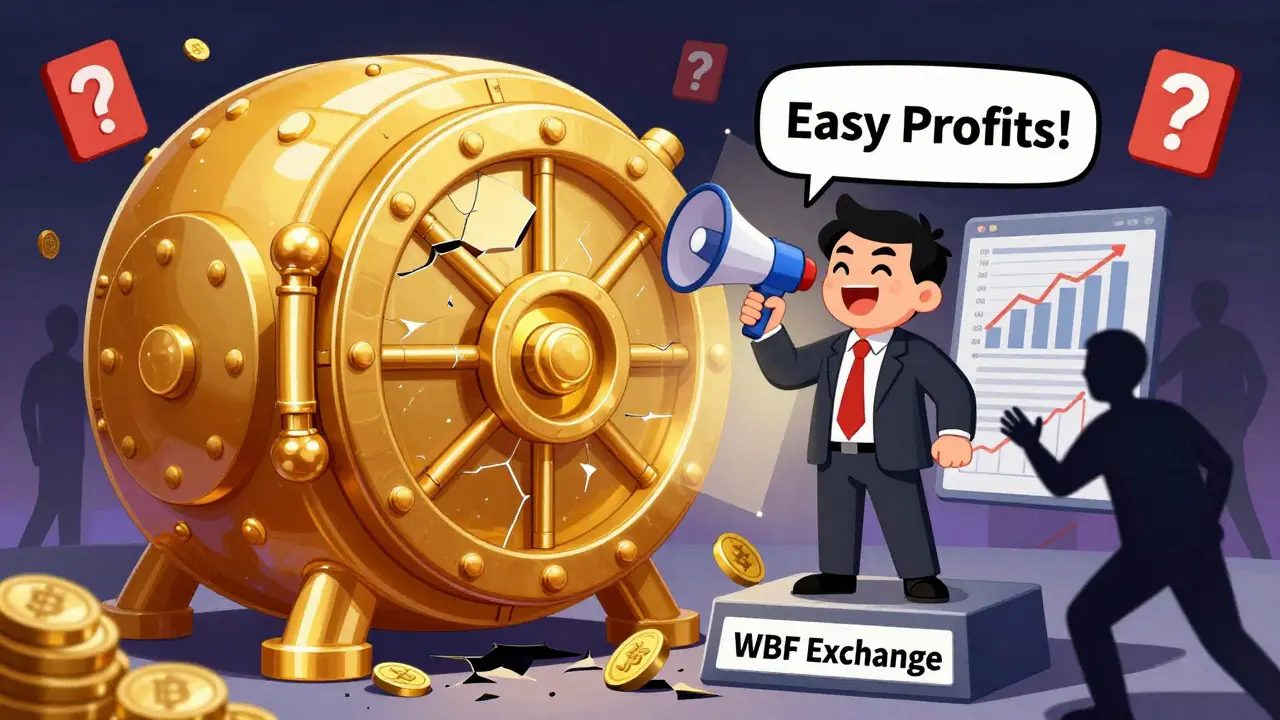
You’ve probably seen the ads promising easy profits and massive coin selection. But when it comes to WBF Exchange is a centralized cryptocurrency trading platform that has raised significant red flags regarding its legitimacy, regulatory compliance, and operational transparency. The reality is far less glamorous. If you are looking for a safe place to store your Bitcoin or Ethereum, this might be the last place you should consider.
In the crowded world of crypto, trust isn't given; it's earned through transparency, regulation, and consistent performance. WBF Exchange fails on almost every metric that matters in 2026. From being untracked by major data aggregators to facing serious accusations of wash trading, the signs point toward high risk. Let’s break down exactly what is going on behind the scenes so you can protect your capital.
The Verdict: Why WBF Exchange Is Untracked
First things first: where does WBF stand in the industry? You won’t find it on the front page of any reputable tracking site. Both CoinMarketCap is the leading aggregator for cryptocurrency market data that lists thousands of digital assets and exchanges and CoinGecko classify WBF as an "Untracked Listing." This isn't a minor oversight. To get tracked, an exchange needs to show consistent, verifiable trading volume above $1 million USD over a 30-day period. WBF hasn't met this bar since March 2023.
Why does this matter? Because volume proves liquidity. If there’s no real volume, you can’t buy or sell at fair prices without moving the market against yourself. More importantly, it suggests the numbers they *do* show might not be real. The Blockchain Transparency Institute flagged WBF in their 2025 audit report for exhibiting symptoms of wash trading in 63% of listed pairs during Q1 2025. Wash trading is when an exchange trades with itself to create fake activity. It’s a classic tactic to lure in retail investors who think they’re joining a busy marketplace.
Regulatory Red Flags and Legal Status
When you deposit money into an exchange, you need to know who is watching them. WBF Exchange claims to have offices in New York, London, Singapore, and Tokyo. However, a deep dive into regulatory registries tells a different story. According to CryptoCompare’s September 2025 regulatory audit, WBF is absent from all major frameworks. You won’t find them registered with the U.S. SEC, the UK’s FCA, or even the Monetary Authority of Singapore (MAS).
This lack of oversight is dangerous. In February 2025, WBF was actually removed from the Google Play Store following enforcement actions under Singapore’s Payment Services Act. This document, MAS Notice PSN02-2025, highlights how regulators are cracking down on platforms that operate without proper licenses. Without these safeguards, if the platform shuts down or gets hacked, you have zero legal recourse to get your funds back. Your money is essentially gone.
Fees, Withdrawals, and Hidden Costs
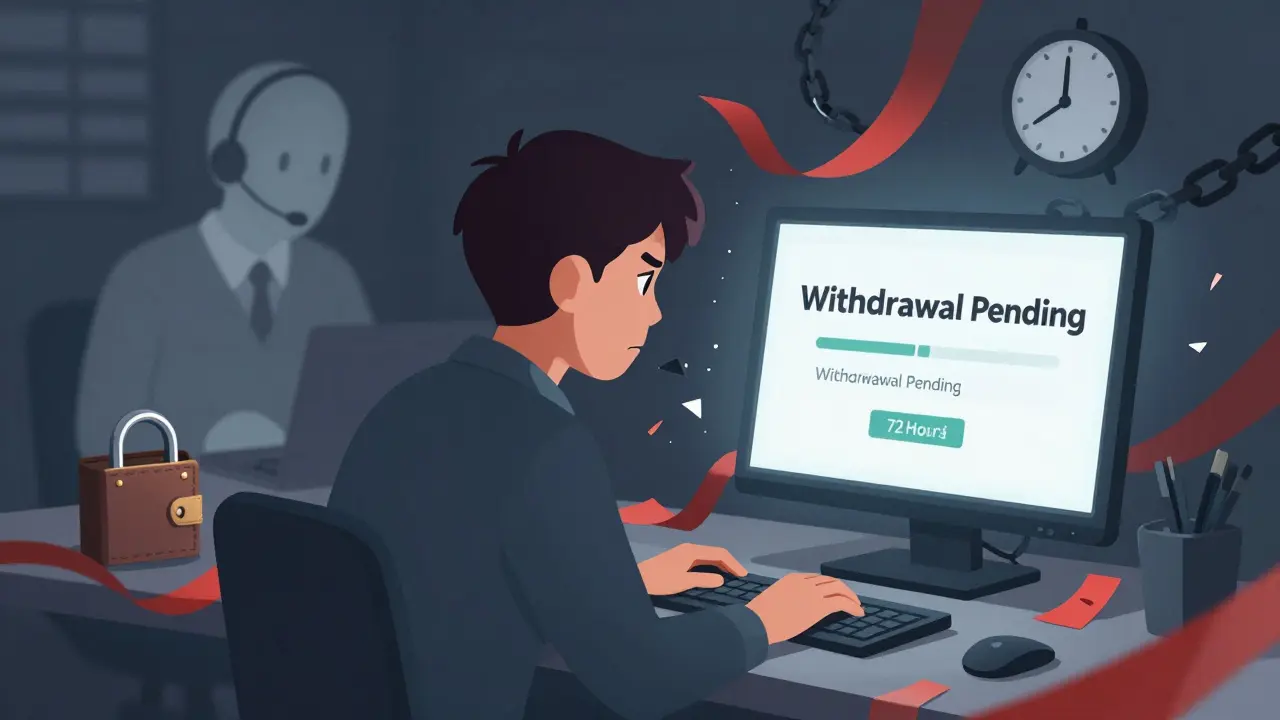
Let’s talk about what it costs to trade here. On paper, WBF charges a standard 0.2% trading fee. That sounds competitive compared to some legacy brokers. But the devil is in the details. Users consistently report that the real cost comes from withdrawal difficulties. A Reddit user reported waiting 72 hours just to withdraw 0.5 BTC, with zero communication from support. Another common complaint involves inconsistent API performance, which can lead to failed trades or stuck orders for automated traders.
Furthermore, the fee structure isn't transparent. While Slashdot’s pricing analysis confirms the 0.2% rate, user reviews on WikiBit describe fees as "hefty" and confusing. When combined with wide bid-ask spreads-a common issue on low-volume exchanges-the actual cost of entering and exiting a position can be much higher than advertised. You pay more than you think, and getting your money out is a nightmare.
Security Concerns and User Protection
Security is non-negotiable in crypto. Does WBF deliver? Not really. Trustpilot data aggregated in September 2025 shows that 78% of negative reviews mention inadequate security protocols. Users have reported issues with false positives in their KYC (Know Your Customer) verification system, locking accounts indefinitely. If you can’t verify your identity due to a buggy system, you can’t access your funds. That’s a critical failure.
The Blockchain Research Institute assigned WBF a "High Risk" rating of 4.7 out of 5.0 in their 2025 Risk Assessment. They cited inconsistent volume patterns and poor user protection mechanisms. Unlike top-tier exchanges like Coinbase or Kraken, which offer insurance funds and cold storage audits, WBF provides no such guarantees. You are trusting a platform with no proven track record of keeping your assets safe from internal mismanagement or external hacks.
Comparison: WBF vs. Established Exchanges
| Feature | WBF Exchange | Bitget | CEX.IO |
|---|---|---|---|
| Regulatory Status | Unregulated / Removed from App Stores | Licensed in multiple jurisdictions | FCA Regulated (UK) |
| Trading Volume | Untracked (<$1M/month) | $12B+ monthly | Consistent & Verified |
| User Base | Unknown / Skews Novice | Millions globally | 17 Million users |
| Withdrawal Speed | 48-72 Hours (Reported Delays) | Instant to Minutes | Fast & Reliable |
| Security Rating | High Risk (4.7/5.0) | Low Risk | Low Risk |
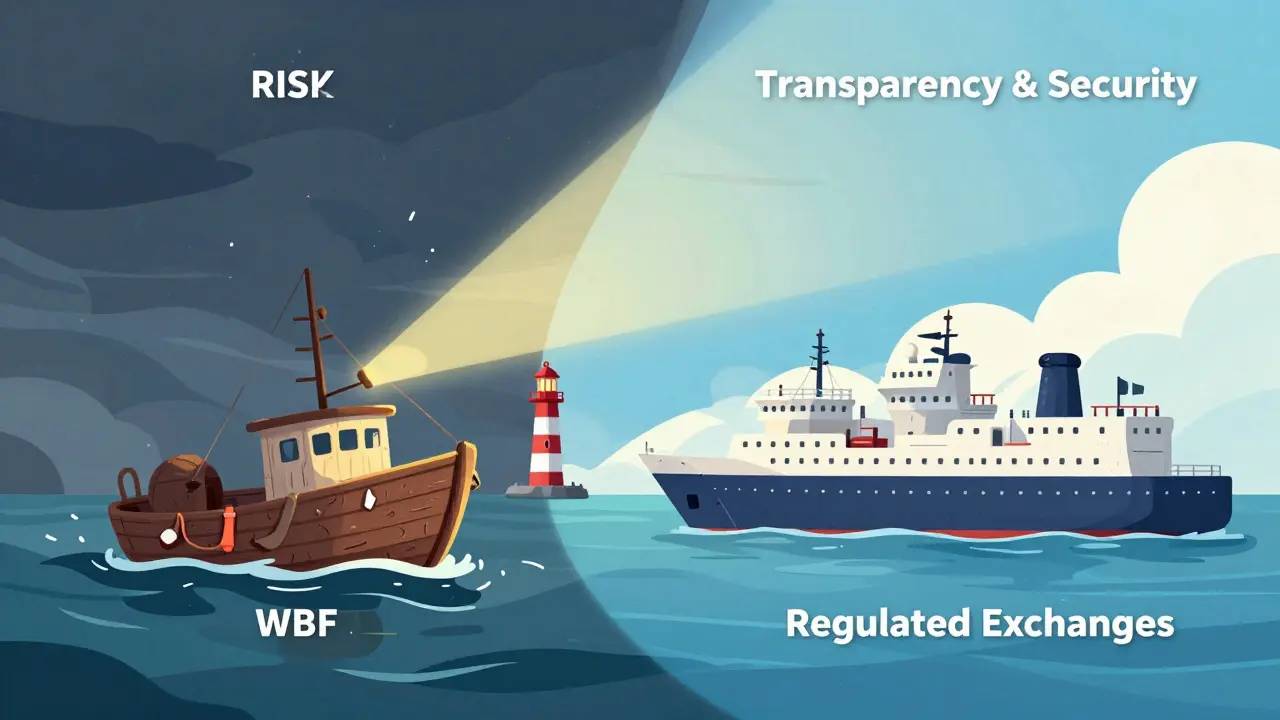
As you can see, the gap is enormous. Bitget processes over $12 billion in monthly volume and has robust compliance frameworks. CEX.IO serves 17 million users with full FCA regulation. WBF offers none of this stability. It shares identical integration capabilities with Bitget on paper, but lacks the substance to back it up. Choosing WBF over these established players is like choosing an unlicensed taxi over a regulated rideshare app. The convenience doesn't outweigh the risk.
Who Is WBF For? (Spoiler: Almost No One)
If you are asking who should use WBF Exchange, the answer is practically nobody. The platform seems to target novice traders in emerging markets with limited regulatory oversight. Chainalysis’ 2025 Geography of Crypto report notes that 74% of WBF’s verified users come from regions where investor protections are weak. This demographic is often less aware of the dangers posed by unregulated entities.
Even advanced traders will struggle. The API documentation is rated "inadequate" by 89% of users on SourceForge. Missing guides for advanced order types mean algorithmic traders will face constant headaches. Plus, with no institutional interest-representing less than 0.5% of institutional trading volume-you won’t find the deep liquidity needed for large orders.
Final Thoughts: Protect Your Capital
The crypto space is evolving rapidly. By late 2026, the number of unregulated exchanges is expected to drop by 85% as global enforcement tightens. WBF Exchange is already showing signs of obsolescence. With no roadmap updates since Q4 2024 and minimal social media activity, the project appears stagnant. Delphi Digital predicts that exchanges like WBF face near-certain shutdown within 18-24 months.
Don’t be the statistic. Move your funds to a regulated, transparent platform where your money is actually safe. There are plenty of better options available today that offer lower risks, faster withdrawals, and genuine customer support. Save yourself the headache and avoid WBF entirely.
Is WBF Exchange a scam?
While we cannot legally label it a "scam" without a court ruling, WBF Exchange exhibits many characteristics associated with fraudulent platforms. These include untracked trading volumes, allegations of wash trading, lack of regulatory licensing, and numerous user complaints about withheld funds. It is considered a high-risk entity by independent auditors.
Why is WBF Exchange not on CoinMarketCap?
WBF Exchange is listed as "Untracked" because it fails to meet CoinMarketCap’s strict criteria for legitimate trading volume. Specifically, it does not maintain consistent daily volume above $1 million USD. This status indicates that the exchange likely lacks real market activity and may be inflating its own numbers.
Can I withdraw my money from WBF Exchange?
Users have reported significant difficulties withdrawing funds, with delays lasting between 48 to 72 hours or longer. Many users also complain about a lack of communication from customer support during these periods. While withdrawals may eventually process, the unreliability poses a serious risk to your liquidity.
Is WBF Exchange regulated?
No. WBF Exchange is not registered with major financial authorities such as the US SEC, the UK FCA, or the Singapore MAS. In fact, it was removed from the Google Play Store in 2025 due to regulatory enforcement actions in Singapore. Operating without regulation means you have no legal protection if something goes wrong.
What are safer alternatives to WBF Exchange?
Safer alternatives include well-regulated exchanges like Coinbase, Kraken, and Bitget. These platforms offer verified trading volumes, strong security measures, insurance funds, and clear regulatory compliance. They provide a much safer environment for both beginner and experienced traders.

Write a comment