
Have you been searching for a platform called Digital World Exchange? You might be scratching your head. After digging through the latest market data and user reviews, it turns out this specific name doesn't appear on any major industry leaderboards or regulatory lists for 2025 or 2026. It is likely a conceptual term used in marketing, a very new micro-platform not yet covered by auditors, or simply a misnomer for the broader ecosystem of digital asset trading venues.
However, that doesn't mean you are stuck without options. The real question isn't about one obscure name; it's about finding a safe, efficient place to trade your assets in a fragmented market. In 2026, the landscape is more competitive than ever, with established giants like Coinbase and Kraken fighting for share against agile challengers like OKX and Bybit. If you are looking to buy, sell, or hold cryptocurrency, you need to know which platforms actually deliver on security, fees, and usability. This guide breaks down the reality behind the "Digital World Exchange" search query and gives you a clear roadmap to choosing the right venue for your needs.
The Reality Behind the Name
When a brand name doesn't show up in credible sources like Coin Bureau or NerdWallet, it raises immediate red flags. In the crypto world, transparency is everything. A legitimate exchange will have a track record, audited proof-of-reserves, and a presence in regional regulatory frameworks. If "Digital World Exchange" lacks these hallmarks, it might be a rebranding of an older service or a niche platform targeting a specific geographic region without global oversight.
Before you deposit funds into any platform that isn't widely recognized, ask yourself three questions:
- Is there a verifiable legal entity behind the brand?
- Do they publish regular proof-of-reserves audits?
- Are they listed on trusted third-party review sites with genuine user feedback?
If the answer is no to any of these, it might be safer to stick with the proven leaders. The market has matured, and users are increasingly wary of unknown entities following high-profile hacks in recent years. Trust is earned through consistency, not just flashy branding.
Top Contenders in the 2026 Market
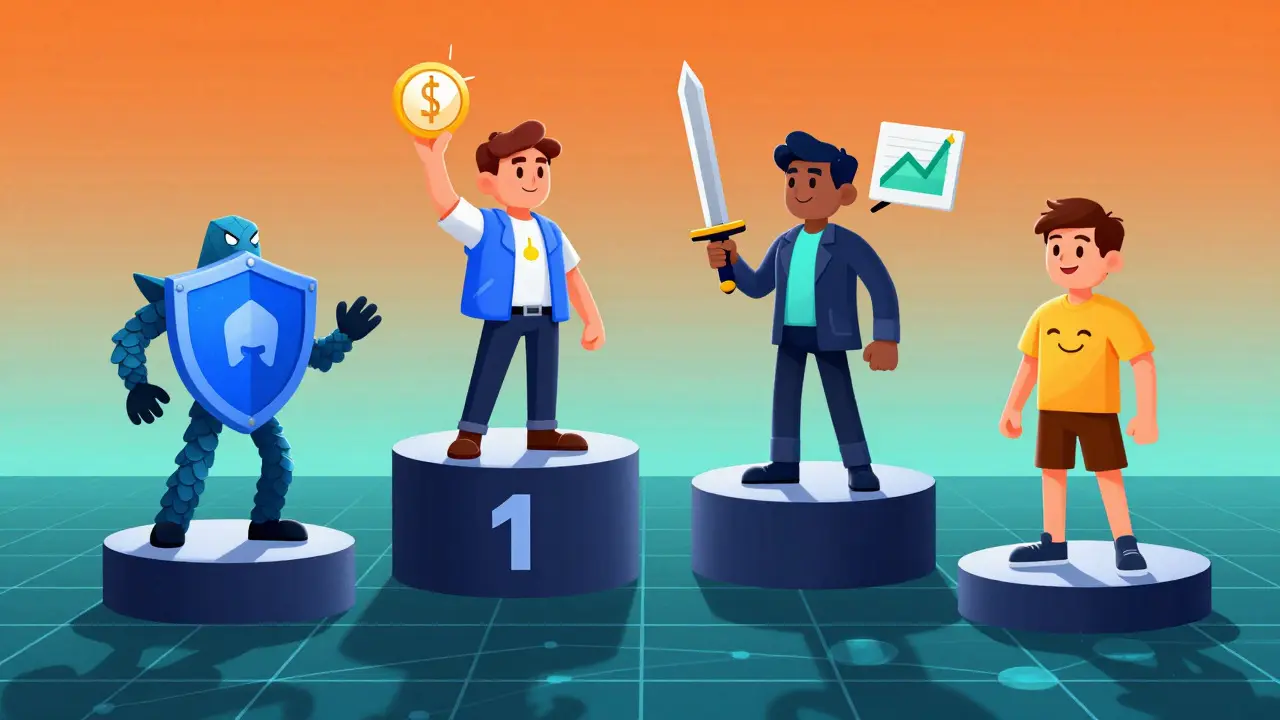
Since we can't verify "Digital World Exchange," let's look at the platforms that consistently top the charts. These are the exchanges where most retail and institutional investors keep their funds today. Each serves a different purpose, so your choice depends on whether you prioritize ease of use, low fees, or advanced trading tools.
| Platform | Crypto Assets Supported | Typical Fee Range | Best For | Key Strength |
|---|---|---|---|---|
| Coinbase | ~235 | 0% - 4% | Beginners & US Users | Regulatory Compliance & UX |
| Kraken | 350+ | 0% - 0.4% | Security-Conscious Traders | Proof-of-Reserves & Asset Variety |
| OKX | 300+ | Low (varies) | Global Advanced Traders | No Hacks History & Low Fees |
| Binance US | 158 | 0% - 0.6% | US Volume Traders | Liquidity & Ecosystem |
Coinbase remains the default for many Americans. With a $1 minimum deposit and a clean interface, it lowers the barrier to entry significantly. However, its fees can spike up to 4% for simple purchases, which hurts frequent traders. On the other hand, Kraken offers over 350 cryptocurrencies and keeps fees under 0.4% for spot trading. Their security model, which uses multi-signature cold wallets, has kept them hack-free since 2011, a huge selling point for long-term holders.
Security: The Non-Negotiable Factor
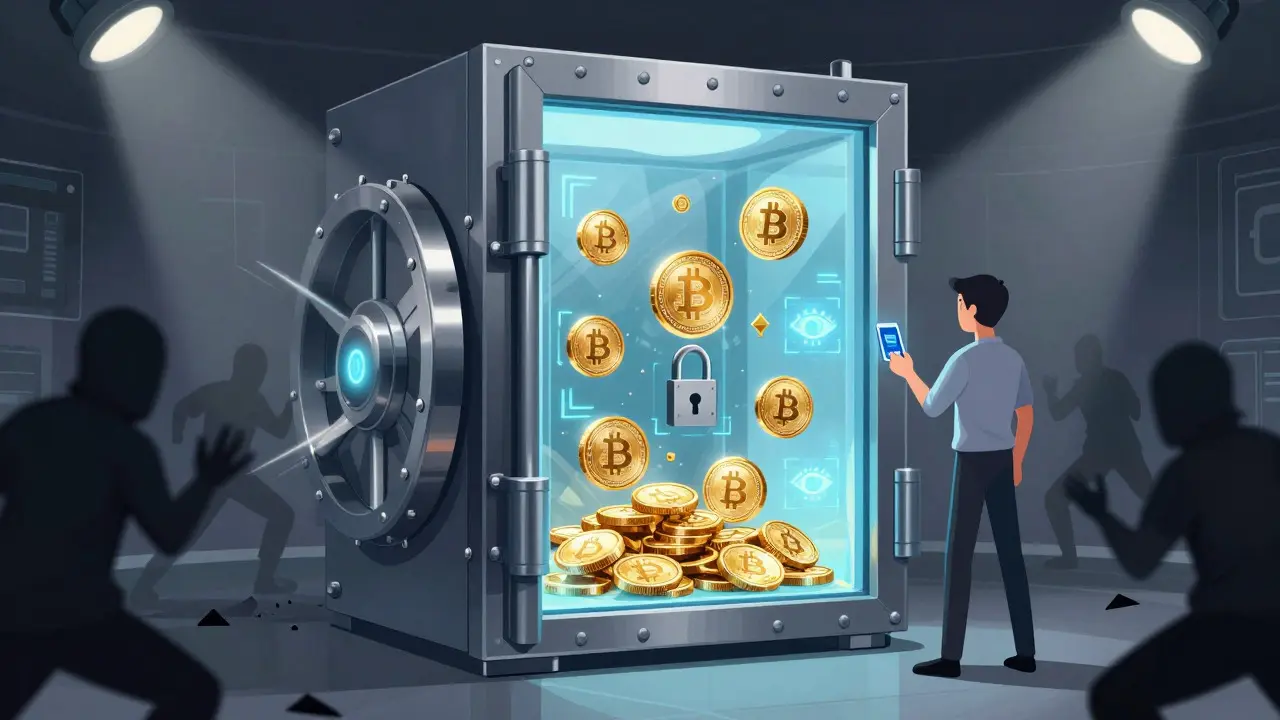
In 2026, security isn't just a feature; it's the baseline. Following the $285 million Atomic Wallet hack in mid-2025, every major player tightened their belts. Coinbase now mandates biometric verification for accounts holding over $10,000, a move that adds friction but boosts safety. OKX stores 95% of user funds in multi-signature cold wallets and keeps private keys in RAM rather than permanent memory, reducing the attack surface for hackers.
You should also look at how exchanges handle customer support during volatility. While Coinbase offers 24/7 chat, response times can lag during market crashes. Uphold, another notable player, lacks live phone support entirely, which can be frustrating if you run into technical issues. If you value immediate human assistance, check the support channels before signing up. A secure platform with slow support is still better than an insecure one with fast replies, but balance matters.
Fees and Hidden Costs
Trading fees are obvious, but withdrawal and network fees often catch people off guard. Robinhood advertises zero-commission trading, but this only applies to their limited selection of 25 coins. If you want to trade altcoins, you'll likely need a full-service exchange. Bitstamp charges anywhere from 0% to 27% depending on the transaction type, making it unsuitable for small, frequent trades.
For active traders, maker-taker models are standard. Kraken Pro offers sophisticated charting and API access, allowing you to automate strategies. If you are moving large volumes, look for tiered fee structures. Coinbase introduced "Advanced Trade" with 0% maker fees for daily volumes over $10,000, directly competing with offshore platforms. Always calculate the total cost including spread, network fees, and any premium for instant purchases.
Regional Restrictions and Accessibility
Your location dictates your options. OKX serves over 100 countries but is not available in the US due to regulatory hurdles. This fragmentation means a coin you can buy easily in Singapore might be missing from the US version of a similar platform. Binance US supports only 158 cryptocurrencies compared to the international version's much larger list, a common complaint among Reddit users who feel restricted.
If you are in New Zealand or Europe, you have more flexibility. Platforms like Bybit and MEXC are popular in these regions for their low fees and extensive altcoin listings. However, always verify local tax implications and reporting requirements. Regulatory compliance is becoming a primary differentiator, with US-based exchanges investing heavily in infrastructure to stay ahead of the SEC.
How to Choose Your Platform
Don't just pick the first one you see. Use this decision tree to narrow down your options:
- Define your goal: Are you buying Bitcoin for long-term storage, or day-trading altcoins? Long-term holders should prioritize security and low withdrawal fees. Active traders need low trading fees and deep liquidity.
- Check your region: Ensure the exchange operates legally in your country. Avoid offshore platforms unless you understand the risks of potential account freezes.
- Compare fees: Look at the total cost for your typical trade size. A 0.1% difference matters if you trade thousands of dollars weekly.
- Test the UI: Sign up and make a small test transaction. See how easy it is to deposit fiat currency and withdraw crypto. Friction here signals future headaches.
- Verify security: Check their latest proof-of-reserves audit and read recent user reviews on Trustpilot or Reddit.
Remember, the best exchange is the one that fits your specific workflow. A beginner might thrive on Coinbase's simplicity, while a pro might prefer Kraken's depth. There is no single "best" platform for everyone, only the best fit for your current situation.
Is Digital World Exchange a legitimate crypto exchange?
As of 2026, Digital World Exchange does not appear on major industry leaderboards or regulatory lists. It may be a niche platform, a rebrand, or a misnomer. Before using it, verify its legal entity, proof-of-reserves, and user reviews on independent sites.
Which crypto exchange has the lowest fees in 2026?
Fees vary by volume and transaction type. Kraken and OKX generally offer lower spot trading fees (under 0.4%) compared to Coinbase (up to 4% for simple buys). Robinhood offers zero commission but limits you to 25 coins.
What is the safest crypto exchange for beginners?
Coinbase is often recommended for beginners due to its intuitive interface, strong regulatory compliance in Western markets, and robust security features like mandatory biometric verification for larger accounts.
Can I use OKX if I live in the United States?
Generally, no. OKX is not available in the US market due to regulatory constraints. US users typically rely on Coinbase, Kraken, or Binance US for compliant trading services.
How do I verify if a crypto exchange is trustworthy?
Check for regular proof-of-reserves audits, a clear legal entity structure, positive reviews on independent platforms like Trustpilot, and a history of operational stability. Avoid platforms with vague ownership or no public financial reports.

Write a comment