
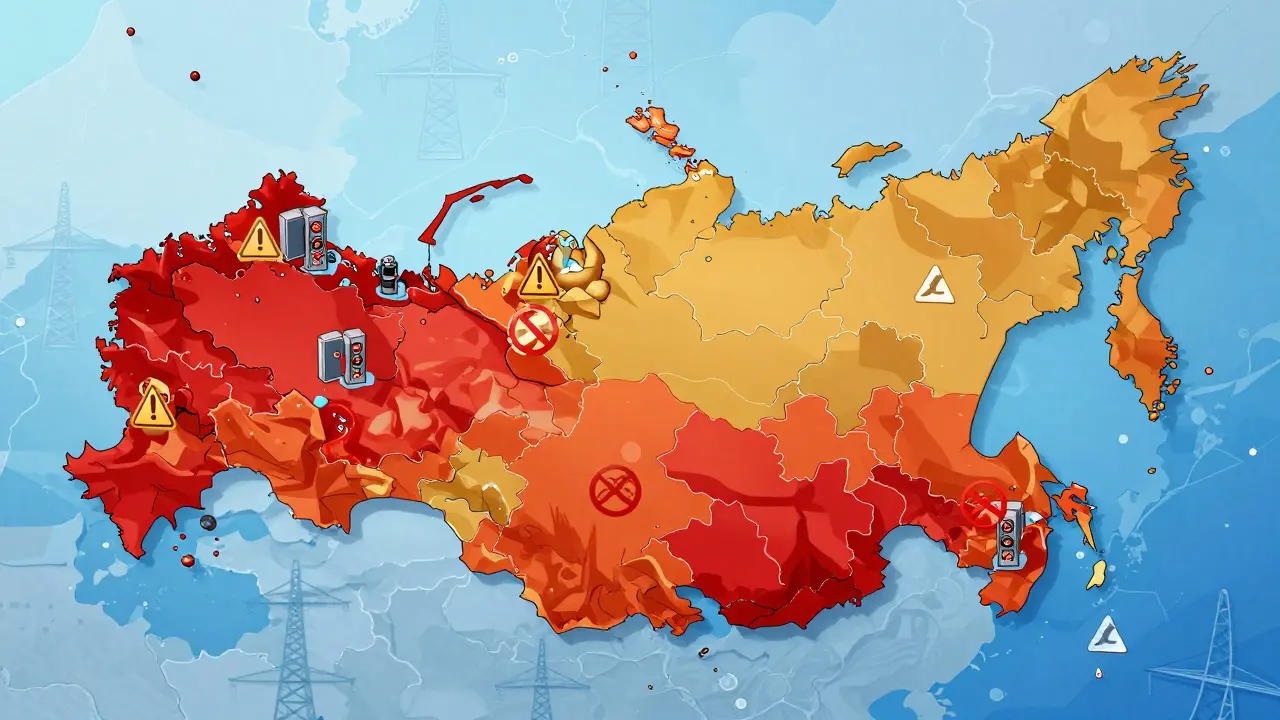
The Reality of Mining in Russia Today
If you are thinking about setting up a Cryptocurrency Mining operation in Russia, you need to understand that the rules have completely changed since early 2024. We are now in late March 2026, and the transition from prohibition to controlled legalization is well underway. The Russian government has moved away from total bans toward a system of strict state oversight. The core goal remains clear: the country wants to capture the economic value of digital assets while protecting its power grid from overloading.
You cannot just plug in an ASIC miner anywhere anymore. There are specific zones where mining equipment faces immediate disconnection, and the legal penalties for ignoring these rules have become severe. As the industry matures, the distinction between a compliant business and an illegal operation has sharpened significantly.
Geographic Restrictions: Where You Cannot Mine
One of the most critical aspects of the current framework is the geographic ban list. The government has identified specific regions where mining is effectively prohibited due to local energy deficits. These bans are not temporary suggestions; they are legislative mandates enforced until March 2031.
If your planned site falls within these areas, do not expect any exemptions. The list includes ten regions with complete blanket bans. This covers the North Caucasus republics, including Dagestan, Ingushetia, and Chechnya. It also extends to the annexed territories recognized by Moscow, specifically Donetsk and Lugansk, as well as Zaporizhzhia and Kherson. Additionally, three Siberian regions-Irktusk, Buryatia, and Zabaikalsky-operate under seasonal restrictions during winter peaks to prevent blackouts.
| Region Type | Specific Areas | Ban Duration |
|---|---|---|
| Permanent Ban | Dagestan, Ingushetia, Kabardino-Balkaria, Karachay-Cherkessia, North Ossetia, Chechnya, Donetsk, Lugansk, Zaporizhzhia, Kherson | Until March 15, 2031 |
| Seasonal Ban | Irkutsk, Buryatia, Zabaikalsky | Nov 15 to Mar 15 (Winter Peaks) |
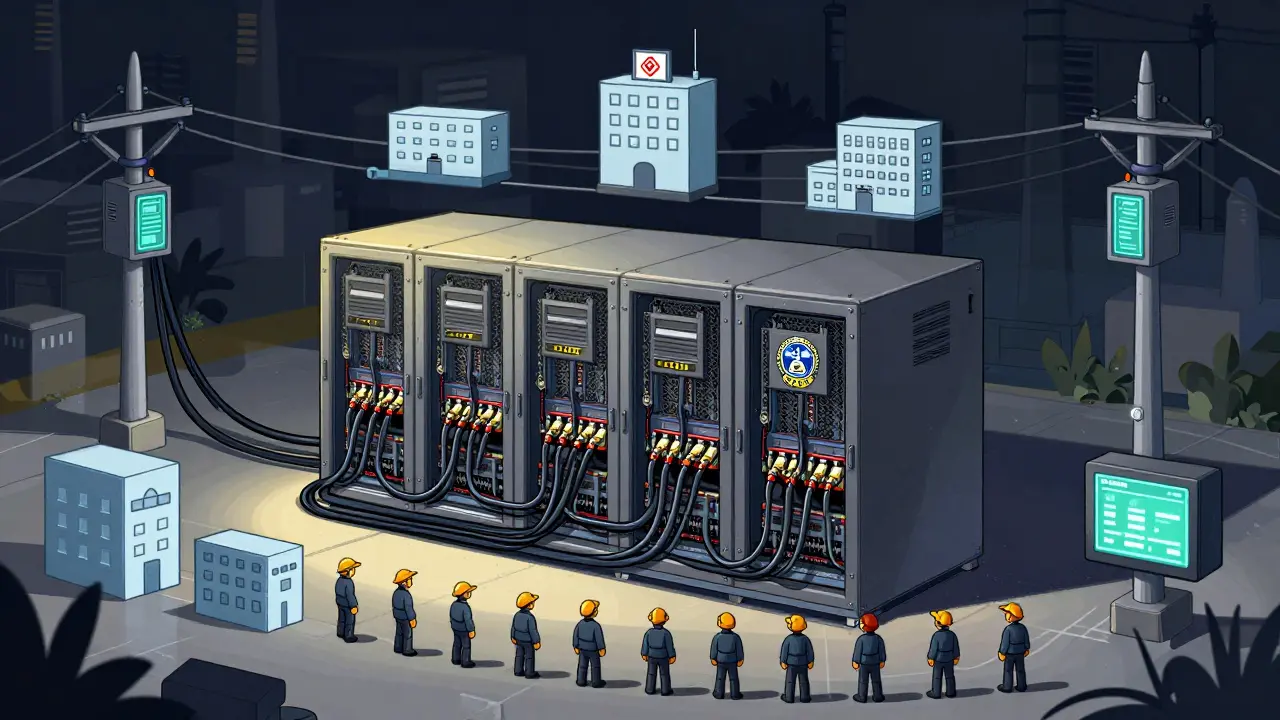
The "Fourth Category" Electricity Priority
Even in regions where mining is technically allowed, you face the reality of energy security. Under the new legislation effective from January 2025, miners are classified as fourth-category consumers. In plain language, this puts you at the bottom of the power line queue. When demand spikes, residents, hospitals, and essential industries get the electricity first. You will be cut off remotely before anyone else.
This remote disconnection capability is automated and enforced through a mandatory state registry. Every piece of imported mining hardware must be labeled and certified. Once registered, the operator gains the ability to switch your gear off instantly if the grid needs the power elsewhere. This is a significant operational risk for profit calculations because unpredictability impacts your return on investment.
Taxation and Registration Requirements
To operate legally, you must register with the national miners' registry. This applies primarily to businesses, but individual miners using more than 6,000 kWh per month also face requirements. Those who keep their usage below that threshold avoid some red tape but must still adhere to general financial reporting laws. For commercial entities, the process involves paying a 15% tax on Bitcoin mining profits, introduced in November 2024.
The compliance rate remains an issue. As of mid-2025, reports from officials like Deputy Finance Minister Ivan Chebeskov indicated only 30% of active miners were officially registered. Authorities recognize there is still a large shadow sector. They are actively working to bring these remaining operators into the light, which often means facing higher enforcement scrutiny in 2026 compared to previous years.
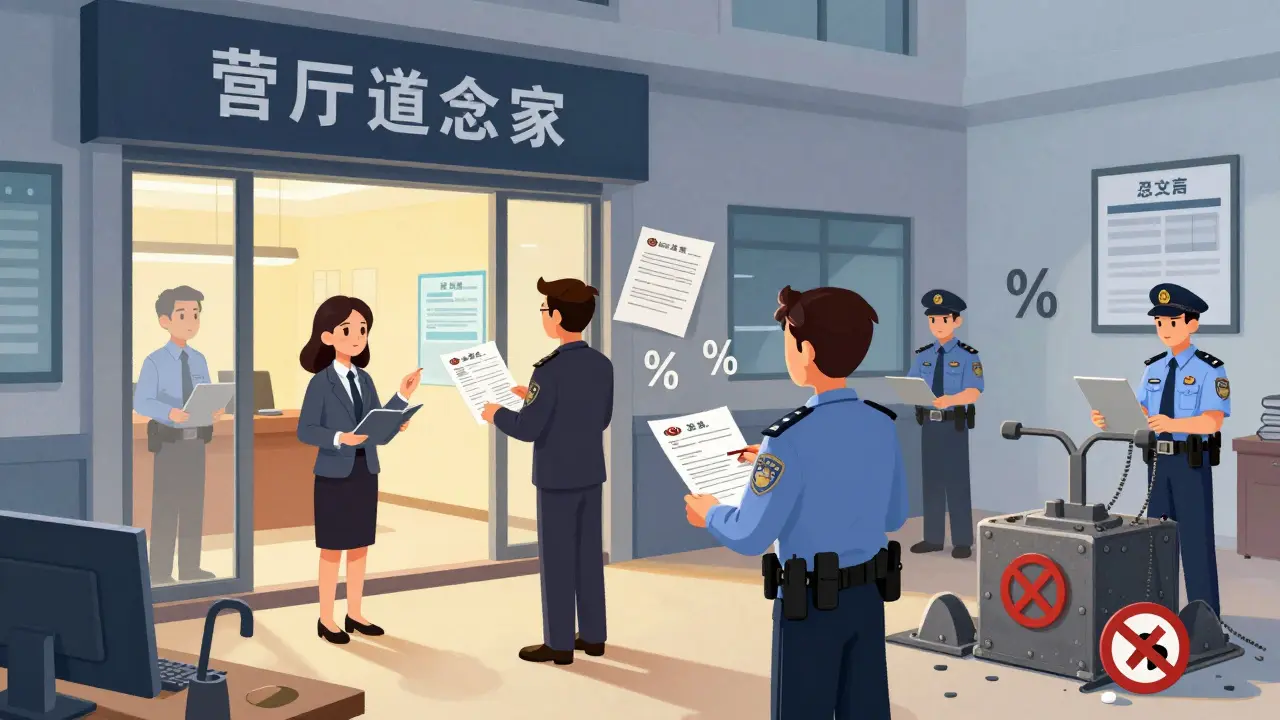
Penalties for Non-Compliance
The consequences of operating outside the registry are becoming financially painful. Fines for unauthorized mining activities have been standardized and increased in severity. While earlier regulations suggested fines starting around 200,000 rubles, current enforcement leans heavily towards penalties reaching up to 2 million rubles (approximately $25,500 USD). The Digital Development Ministry has discussed further increasing these figures to deter illegal activity, viewing them as a necessary tool to clear out unregistered operations.
These fines apply to both individuals and corporations caught running unreported rigs. Furthermore, equipment seized during police raids is typically confiscated without compensation. This creates a high-risk environment for those trying to exploit cheap regional electricity prices without following the federal registration protocols.
Global Market Context and Future Outlook
Despite the hurdles, the demand for industrial equipment in Russia tripled in late 2024 following the initial legal changes. Investors are betting that long-term regulatory certainty outweighs short-term friction. The six-year timeline for regional bans provides a clear map of where not to operate, allowing legitimate businesses to plan infrastructure accordingly. However, reliance on subsidized energy in certain regions continues to be a point of tension for local governments, suggesting more potential policy adjustments may occur beyond 2026.
The legal ecosystem remains dynamic. While owning cryptocurrency is permitted, using it as payment for goods is not. The Ruble remains the sole legal tender, meaning profits must ultimately be converted back into fiat currency through official channels, usually involving transaction reporting thresholds over 600,000 rubles. This ensures the central bank retains visibility over capital flows leaving the mining sector.
Is crypto mining fully legal in Russia?
Yes, mining is legal if you register with the state registry and pay the required taxes, but it is banned in specific regions like Dagestan and Irkutsk (seasonally).
Can the government shut down my mining rig?
Yes, miners are classified as fourth-category consumers, giving authorities the power to remotely disconnect equipment during peak energy demand.
What is the tax rate on mining income?
Russia imposes a 15% tax on mining profits for registered businesses and applicable individual operators.
Do individual home miners need to register?
Individuals using less than 6,000 kWh monthly are exempt from specific mining registration, but must still report income and pay standard taxes.
What happens if I mine in a banned region?
You risk confiscation of equipment and fines up to 2 million rubles for operating in restricted zones like the North Caucasus or banned winter periods.

Comments
Lisa Miller
The transition from prohibition to controlled legalization seems to offer a glimmer of hope for serious operators. Everyone needs to understand that the rules have completely changed since early 2024. You cannot just plug in an ASIC miner anywhere anymore without risking immediate disconnection. The government really wants to capture economic value while protecting the power grid.
Callis MacEwan
Your optimism ignores the technical reality of the fourth-category consumer classification. Miners are now subject to automated remote shutoff protocols during peak load events. The hashrate density in restricted zones creates significant instability vectors for local transmission grids. Compliance requires integrating directly with the mandatory state registry for hardware certification. Ignoring these parameters exposes your equipment to instant seizure without compensation claims. The latency in response times for grid rebalancing leaves no room for error margin.
Sean Carr
Just register your equipment if you plan to stay under the radar. Stick to the permitted regions to avoid any trouble.
Shaira Vargas
I feel so stressed reading about these fines being increased to 2 million rubles. It is absolutely terrifying to think about losing everything in a police raid. My heart stops whenever I read about the confiscation lists online. Who would even want to risk their savings for this kind of uncertainty?
Justin Smith
Facts indicate the geographic ban list includes ten regions with complete blanket mandates until March 2031. The North Caucasus republics are explicitly listed alongside the annexed territories recognized by Moscow. Seasonal restrictions operate specifically in Siberian regions during winter energy peaks.
Wade Berlin
Bureaucrats always find a way to squeeze the life out of innovation. They talk about economic value but just want to control the switches on the wall. Good luck trying to do business when you are last in the queue for electricity.
Colin Finch
The regulatory landscape in Russia is shifting faster than the hash rate of most pools. It feels like we are watching a complex dance between state power and decentralized ambition. Energy security is clearly prioritized over individual financial gain right now. The fourth category designation puts miners squarely at the back of the queue for essential services. Remote disconnection technology sounds almost dystopian to older generations. Yet there is a certain logic in preventing blackouts during winter peaks. The seasonal bans in Irkutsk make sense given the climate history. Taxation remains the heavy hand that guides all legitimate commerce. Fifteen percent profit tax is manageable if you have proper shielding. Penalties up to two million rubles are a real threat for the unregistered operator. Equipment confiscation wipes out ROI instantly and completely. Some investors claim the long term view outweighs the friction. Six years of regional bans offers stability for infrastructure planning. Local tensions over subsidized energy will surely resurface eventually. The central bank visibility over capital flows is their ultimate goal here. We must adapt or find new markets entirely.
Lisa Walton
This is just bureaucratic madness waiting to explode.
Michael Nadeau
We must consider the broader implications of state oversight on digital asset production. The alignment of energy policy with financial reporting creates a unified framework for control. Individual miners face different hurdles than commercial entities regarding registration thresholds.
Zackary Hogeboom
Honestly I think the market will figure out a way around these barriers pretty quickly. People love crypto too much to just stop digging because the grid says so. Might get messy though if they shut off power randomly again.
Samson Abraham
market forces usually dictate compliance levels rather than legislation alone
Raymond K
Dont give up guys there is still plenty of opportunity if u play the game right. Just stick to the rules and pay yer taxes and you should be safe enough. Hope evryone does well with the new regulations coming in soon.
athalia georgina
Why do u think they r making it so hard for normal people then? Isnt this supposed to be free money for us all?
joshua kutcher
It is understandable why many feel anxious about the enforcement measures being implemented. There is definitely a need for clear guidance on what constitutes a violation of the registry laws. Community support might help navigate the complex documentation requirements involved.
Ashley Stump
They are stealing our money with these new fees and taxes. Why should we pay fifteen percent on profits that barely exist anyway? The government just wants to confiscate our assets legally.
Disha Patil
I guess we cant argue with the math they posted though. It really makes my head hurt thinking about all those fine amounts.
Cara Boyer
Did anyone notice how the grid controls match the political agenda perfectly 👀🤔. It is obviously planned to crush private enterprise in favor of state monopolies. They will never admit the real reason behind the blackout threats 😉.
Chris R
Different nations handle energy resources differently and we must respect those sovereign decisions. Cooperation leads to better outcomes for everyone in the global network ecosystem. We should focus on finding mutual benefits rather than conflict.
Markus Church
The distinction between compliant and non-compliant operations is becoming increasingly sharp over time. Regulatory frameworks require strict adherence to maintain operational continuity across borders. Stability is preferable to chaos in this emerging sector.
Leah Lara
Boring stuff. Taxes are taxes. Just deal with it if you want to mine.
Shubham Maurya
You are clueless if you think the tax man cares about your feelings 😡👊. They own the grid and they own the coins you mine now. Stay woke or lose everything lol 🙄💸.
Matt Bridger
The average participant fails to grasp the macroeconomic significance of these legislative changes. Sophisticated actors know how to leverage the compliance window before enforcement tightens further.
Joy Crawford
I feel drained just reading about your fancy trading strategies. Why is it so hard to live without worrying about the law everyday? You are so mean to the rest of us poor people.
Beverly Menezes
Sometimes it is best to just keep things simple and follow the basic rules. You do not need to fight the system if you work within the lines drawn.
Tiffany Selchow
Our national priorities are different and this proves we value security over greed. Foreigners should look at our examples and see how we manage our resources better. Keep your hands off our energy grid if you want peace.