
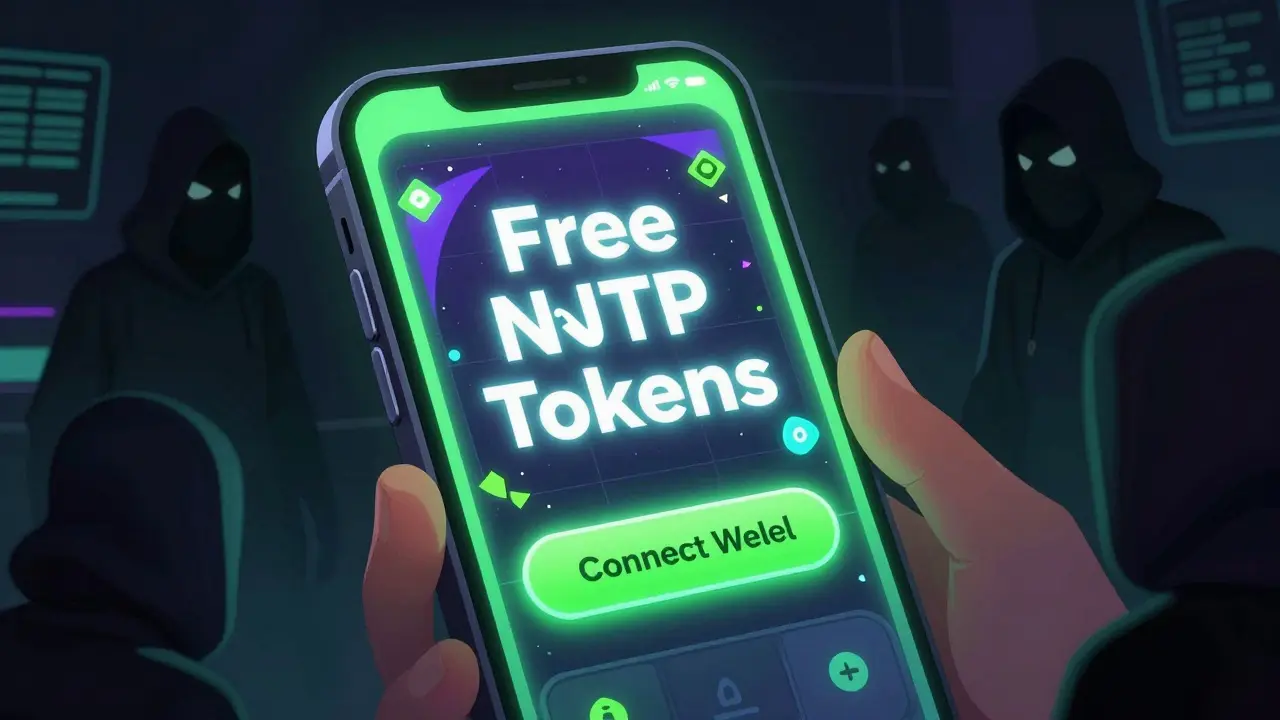
You see a notification. Maybe it’s a DM on Twitter, an email in your spam folder, or a flashy banner on a decentralized finance (DeFi) site. It promises free NFTP tokens from a project called NFT Token Pilot. The promise is simple: connect your wallet, approve a transaction, and watch your balance grow. But here is the hard truth you need to hear right now. There is no verified, legitimate information about an "NFTP" token or an organization called "NFT Token Pilot" conducting a major public airdrop as of mid-2026.
In the world of cryptocurrency, silence from official sources usually means one thing: danger. When a project lacks a clear footprint-no whitepaper, no verified team, no presence on reputable tracking sites like CoinMarketCap or CoinGecko-it is almost certainly a trap. This article isn’t just about explaining why this specific offer looks suspicious; it’s about teaching you how to spot these scams before they drain your wallet.
The Red Flags of the NFTP Offer
Let’s look at what makes this specific claim stand out as highly risky. Legitimate projects do not operate in the shadows. They build communities, publish roadmaps, and undergo security audits. The "NFTP" narrative fails on every single one of these fronts.
First, consider the name itself. NFT Token Pilot sounds generic. It uses buzzwords-"NFT," "Token," "Pilot"-to sound authoritative without saying anything specific. Compare this to established projects like Uniswap or Aave, which have distinct branding, clear utility, and transparent governance. NFTP has none of that. It is a blank slate designed to confuse users who are eager for free money.
Second, check the digital footprint. If you search for "NFTP token contract address," you likely find nothing but social media comments asking the same question you are asking. Legitimate airdrops have contract addresses listed on their official websites and verified on block explorers like Etherscan or Solscan. Without a verifiable contract, there is no token. You cannot receive something that does not exist on the blockchain.
Third, look at the communication channels. Real projects use verified accounts with blue checks on platforms like X (formerly Twitter) and Discord servers with thousands of active members. Scammers create fresh accounts, buy fake followers, and use bots to generate hype. If the only source of information for NFTP is an unverified Telegram group or a random tweet, walk away immediately.
How These Airdrop Scams Actually Work
You might be thinking, "What’s the worst that could happen? I just connect my wallet." That is exactly what the scammers want you to think. The mechanics of modern crypto scams are sophisticated and designed to exploit trust.
The most common method is the Malicious Smart Contract Approval. When you visit the fake NFTP website and click "Connect Wallet," you aren’t just signing in. You are being asked to sign a transaction that grants the scammer unlimited access to your assets. This is known as an "approve" function. Once signed, the attacker can drain any ERC-20 tokens (like USDT, ETH, or other NFTs) from your wallet at any time, even if you disconnect the wallet later.
Another tactic is the Honeypot Token. Sometimes, you might actually receive tokens in your wallet. They look real. Your portfolio tracker shows them. But when you try to sell them, the transaction fails. Why? Because the smart contract code includes a hidden rule that prevents anyone except the creator from selling. You hold worthless pixels on a screen, while the scammer keeps your gas fees and potentially steals your private keys through phishing links embedded in the site.
A third variation involves Phishing for Private Keys. The site may ask you to enter your seed phrase or private key to "verify eligibility." No legitimate service will ever ask for this. If you type those twelve or twenty-four words into a form, you have handed over the master key to your entire financial life. Recovery is impossible.
How to Verify Any Crypto Project Before Clicking
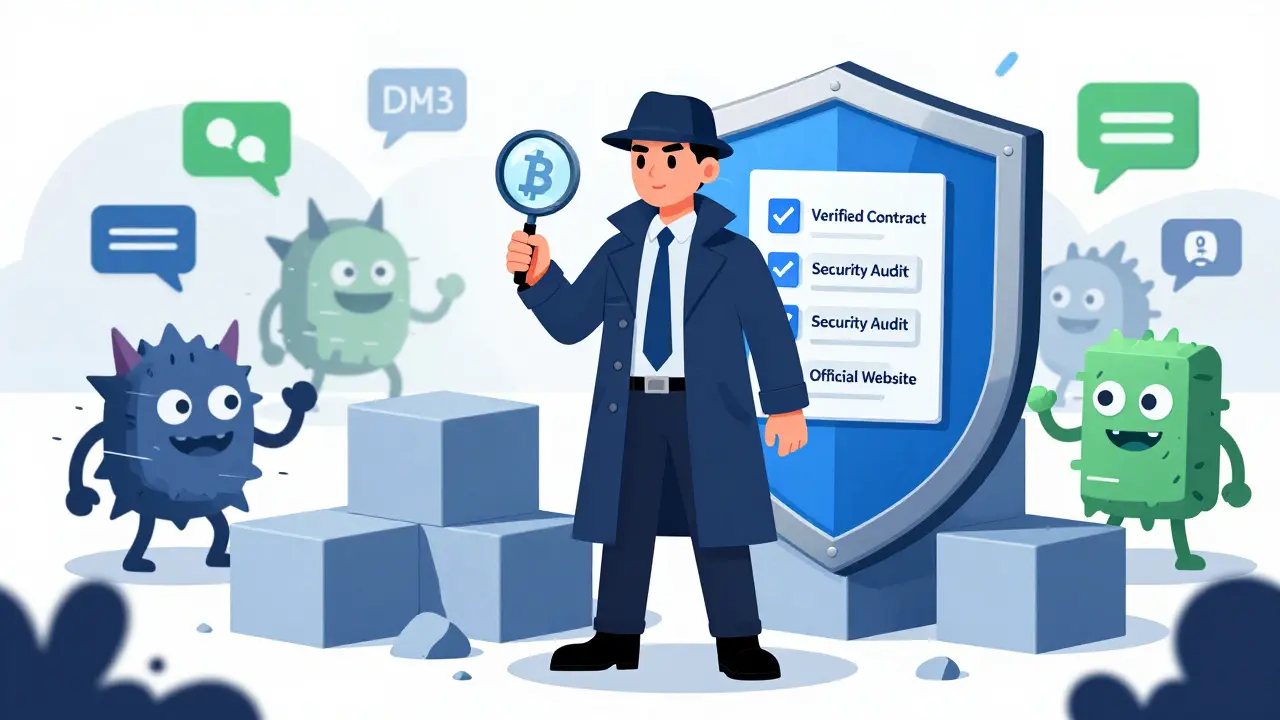
Protecting yourself doesn’t require a computer science degree. It requires a checklist. Use these steps to vet any project claiming to offer an airdrop, whether it’s NFTP or the next big thing.
- Check the Official Website Domain: Look closely at the URL. Is it
nftokenpilot.comornft-token-pilot-airdrop-free.xyz? Scammers often use slight misspellings or cheap top-level domains like .xyz, .top, or .info. Legitimate projects invest in clean, professional domains. - Verify Social Media Accounts: Go to X (Twitter). Does the account have a verification badge? Look at the engagement. Are the comments real people discussing features, or are they bots saying "LFG" and "GM"? Check the creation date. An account created last week promising millions in value is a red flag.
- Search for Security Audits: Reputable DeFi projects hire firms like Certik, OpenZeppelin, or Trail of Bits to audit their code. If you can’t find an audit report linked from their homepage, assume the code is unsafe.
- Use Community Resources: Search Reddit, specifically subreddits like r/CryptoCurrency or r/ethtrader. Ask the community: "Has anyone heard of NFTP airdrop?" If the response is silence or warnings, take that as your answer.
- Check Blockchain Explorers: If they provide a contract address, paste it into Etherscan. Look at the "Holders" tab. If one address holds 90% of the supply, it’s a rug pull waiting to happen. Also, check if the contract is verified. Unverified code is a massive risk.
The Psychology Behind the Hype
Why do these scams work so well? They exploit two powerful human emotions: Fear Of Missing Out (FOMO) and greed. In 2017, early investors in CryptoKitties made significant profits. In 2021, holders of Bored Ape Yacht Club NFTs became millionaires overnight. These stories are real, and they create a cultural memory that "free tokens equal future wealth." Scammers know this. They craft narratives that mirror past successes. They use language like "early adopter," "exclusive access," and "limited supply." They create urgency: "Claim within 24 hours or lose your spot." This pressure bypasses your logical brain and triggers impulsive action. Remember, legitimate opportunities don’t expire in hours. They have clear timelines and public documentation.
Also, consider the cost of entry. While the airdrop is "free," the interaction costs gas fees. On Ethereum, a simple transaction can cost $5 to $50 depending on network congestion. Scammers rely on users paying these fees to interact with malicious contracts. Even if you don’t lose your main holdings, you’ve lost money on gas, and you’ve exposed your wallet address to potential targeted attacks.
Safe Alternatives for Earning Crypto Rewards
If you’re looking to participate in the crypto ecosystem safely, there are legitimate ways to earn rewards without risking your capital on shady airdrops.
One option is Learn-and-Earn Programs. Platforms like Coinbase, Binance, and Revolut offer courses where you watch short videos about different cryptocurrencies and answer quizzes. Upon completion, you receive small amounts of real tokens. These are safe because they come from regulated exchanges with strong compliance teams.
Another avenue is Staking Stablecoins. Instead of chasing volatile airdrops, you can stake stablecoins like USDC or DAI on reputable platforms like Aave or Compound. You earn interest based on lending demand. It’s predictable, transparent, and secure, provided you use audited protocols.
You can also engage in Legitimate Testnets. New blockchains often run test networks where users help find bugs by using the system. Participants are sometimes rewarded with tokens later. However, these are always announced via official developer blogs and GitHub repositories, not random social media posts. For example, the Polygon and Arbitrum ecosystems have had structured incentive programs that were clearly documented long before distribution.
| Feature | Suspicious Airdrop (e.g., NFTP) | Legitimate Opportunity |
|---|---|---|
| Source of Info | DMs, unverified tweets, Telegram groups | Official website, verified social media, press releases |
| Contract Verification | Unverified or missing contract address | Verified on Etherscan/Solscan with audit reports |
| Urgency | High pressure, limited-time offers | Clear timelines, no artificial scarcity |
| Team Transparency | Anonymous or fake profiles | Public team members with LinkedIn histories |
| Cost to Participate | Gas fees + approval risks | Often free or low-cost staking |
What To Do If You Already Interacted With NFTP
Panic won’t help, but quick action will. If you clicked a link, connected your wallet, or worse, entered your seed phrase, follow these steps immediately.
- Revoke Permissions: If you approved a contract, go to Revoke.cash or Etherscan’s Token Approval Checker. Connect your wallet and revoke any allowances granted to unknown contracts. This stops the scammer from draining future assets.
- Move Funds: Transfer all remaining funds from the compromised wallet to a new, secure wallet. Generate a new seed phrase for this new wallet. Never reuse a seed phrase.
- Change Passwords: If you entered any passwords or private keys, change them immediately on all associated accounts. Enable two-factor authentication (2FA) using an authenticator app, not SMS.
- Monitor Activity: Keep an eye on the old wallet address for any unusual transactions. Report the incident to the platform where you saw the ad (Twitter, Discord, etc.) to help protect others.
Remember, in crypto, your security is your responsibility. There is no customer support to call if you fall for a scam. Vigilance is your best defense.
Is the NFTP airdrop by NFT Token Pilot real?
There is no credible evidence that NFTP or NFT Token Pilot is a legitimate project. The lack of official documentation, verified social media presence, and security audits strongly suggests it is a scam. Always treat such offers with extreme caution.
How can I tell if a crypto airdrop is a scam?
Look for red flags like unverified social media accounts, urgent deadlines, requests for private keys, and missing security audits. Legitimate projects have transparent teams, verified contracts, and clear roadmaps published on official channels.
What should I do if I connected my wallet to a suspicious site?
Immediately revoke all contract approvals using tools like Revoke.cash. Move your funds to a new wallet with a fresh seed phrase. Change any passwords you may have entered and enable two-factor authentication.
Are there safe ways to earn free crypto?
Yes. Participate in learn-and-earn programs offered by major exchanges like Coinbase or Binance. You can also stake stablecoins on reputable DeFi platforms like Aave or Compound, or join official testnet programs announced by established blockchain projects.
Why do scammers use names like NFT Token Pilot?
They use generic, buzzword-heavy names to sound authoritative and confuse users. By mimicking the language of legitimate projects, they exploit FOMO and trust, making victims less likely to question the validity of the offer.

Write a comment