
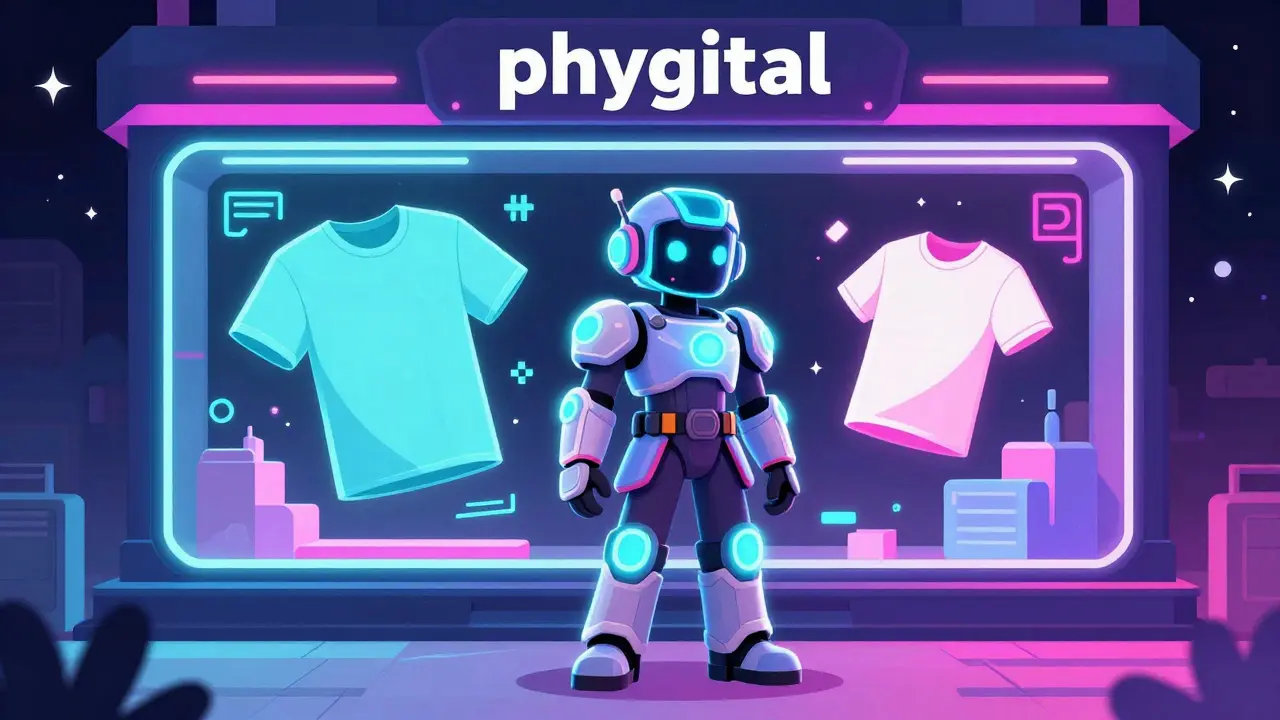
Imagine walking into a virtual store, fighting a digital monster to earn credits, and then redeeming your in-game sword for a physical t-shirt delivered to your door. That sounds like science fiction, but it’s the core promise of Highstreet, a commerce-focused metaverse platform that blends virtual reality, MMORPG gameplay, and online retail. The engine driving this world is the HIGH token, the primary governance and premium currency within the Highstreet ecosystem. If you’ve seen the ticker symbol HIGH on your exchange list, you might be wondering what actually backs this coin. Is it just another hype-driven meme, or does it have a functional use case? By late May 2026, Highstreet has settled into a specific niche: bridging the gap between digital play and physical consumption. Here is exactly what the HIGH token is, how the economy works, and whether it still holds value after its massive price swings.
The Core Concept: Phygital Commerce
Most metaverse projects focus heavily on land speculation or pure gaming assets. Highstreet takes a different approach by focusing on phygital products. This term combines "physical" and "digital." In the Highstreet World, an open-world MMORPG, users don’t just buy pixels; they buy items that exist in both realms. When you purchase an NFT in Highstreet, it might serve as armor in the game while simultaneously representing a claim to a real-world product from a partner brand. This two-way flow is the project’s main selling point. It attempts to solve the boredom of static e-commerce by turning shopping into a social, quest-driven experience. Brands can deploy virtual storefronts inside the metaverse, allowing them to reach consumers who are already engaged in the game environment.
How the HIGH Token Works
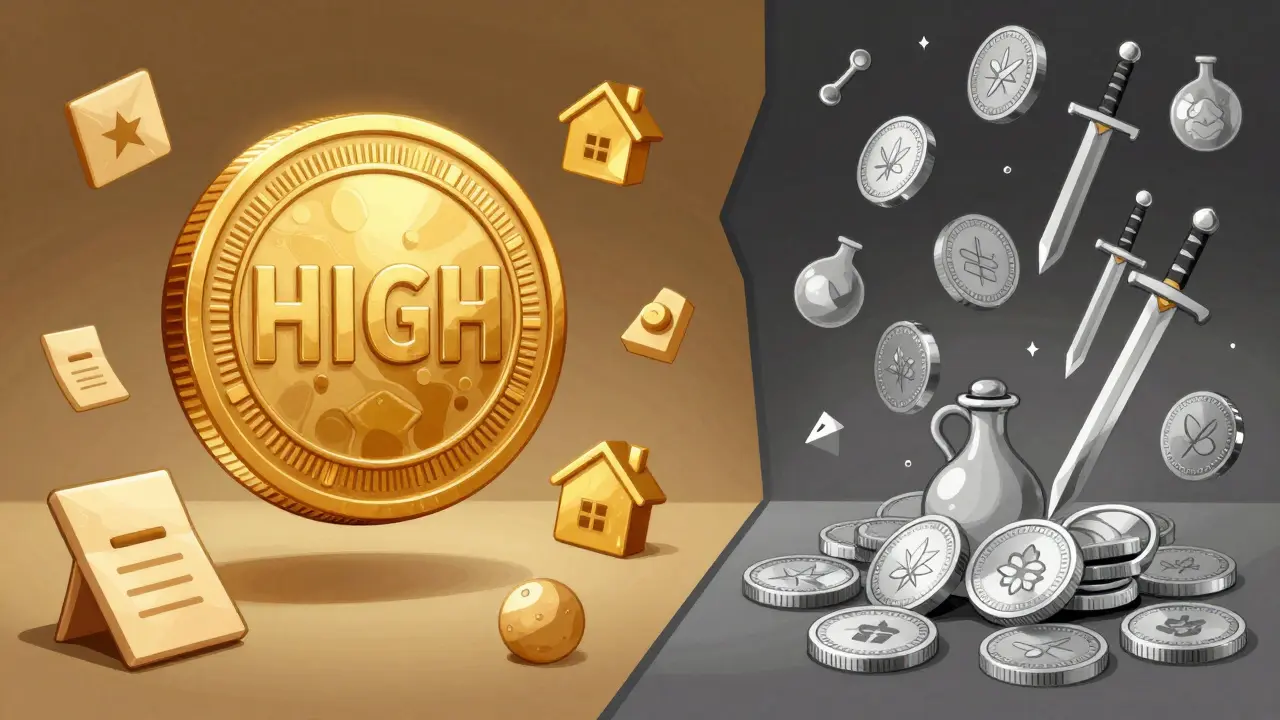
To understand the utility of HIGH, you need to look at the dual-currency structure of the Highstreet economy. The platform doesn’t rely on a single token for every transaction. Instead, it splits functions between high-value governance and low-level utility. The HIGH token is the premium asset. It is used for:
- Governance: Holders vote on platform changes and roadmap decisions.
- Premium Purchases: Buying virtual real estate, limited-edition cosmetics, and rare NFTs.
- Staking: Historically, holders could stake tokens to earn rewards, aligning incentives with network growth.
Technical Specs and Tokenomics
From a technical standpoint, HIGH is designed for accessibility across major blockchain networks. It exists as an ERC-20 token on the Ethereum blockchain and as a BEP-20 token on the BNB Chain. This multi-chain presence allows users to interact with the token using wallets and decentralized exchanges (DEXs) on either network, such as Uniswap or PancakeSwap. Here are the key metrics for the HIGH token as of late May 2026:
| Attribute | Value |
|---|---|
| Maximum Supply | 100,000,000 HIGH |
| Circulating Supply (May 2026) | ~91,387,821 HIGH |
| All-Time High (Price) | $38.42 (Dec 17, 2021) |
| All-Time Low (Price) | $0.3410 (Apr 9, 2025) |
| Current Price Range | $0.12 - $0.13 (Late May 2026) |
Market Performance and Volatility
If you bought HIGH at its peak, you’ve likely experienced significant pain. The token hit an all-time high of $38.42 in December 2021, fueled by the broader metaverse boom. Since then, it has faced a brutal correction, dropping more than 98% from that peak. By April 2025, it had bottomed out at $0.3410. As of May 2026, the price has stabilized somewhat in the $0.12-$0.13 range, though volatility remains high. A weekly drop of over 30% was recorded in late May, highlighting the speculative nature of the asset. The market cap hovers around $11-12 million, which classifies it as a small-cap cryptocurrency. While daily trading volumes occasionally spike into the tens of millions, this liquidity can amplify both rallies and crashes. This performance reflects the broader cycle of Web3 gaming tokens. Early enthusiasm gave way to skepticism as many projects failed to deliver sustainable user engagement. Highstreet has survived this filter, maintaining listings on major exchanges like Binance, Coinbase, and KuCoin, but it faces stiff competition from newer, better-funded metaverse initiatives.
User Experience: How to Enter Highstreet World
Getting started with Highstreet is relatively straightforward if you’re familiar with crypto basics. Here is the typical onboarding flow:
- Acquire HIGH: Buy the token on a centralized exchange like Binance or Coinbase, or via a DEX like Uniswap (for ETH-based HIGH) or PancakeSwap (for BSC-based HIGH).
- Connect a Wallet: Use a wallet compatible with ERC-20 or BEP-20 tokens, such as MetaMask or Trust Wallet.
- Enter the Metaverse: Connect your wallet to the Highstreet World platform. You can explore the VR-enabled environment or play through standard browser interfaces.
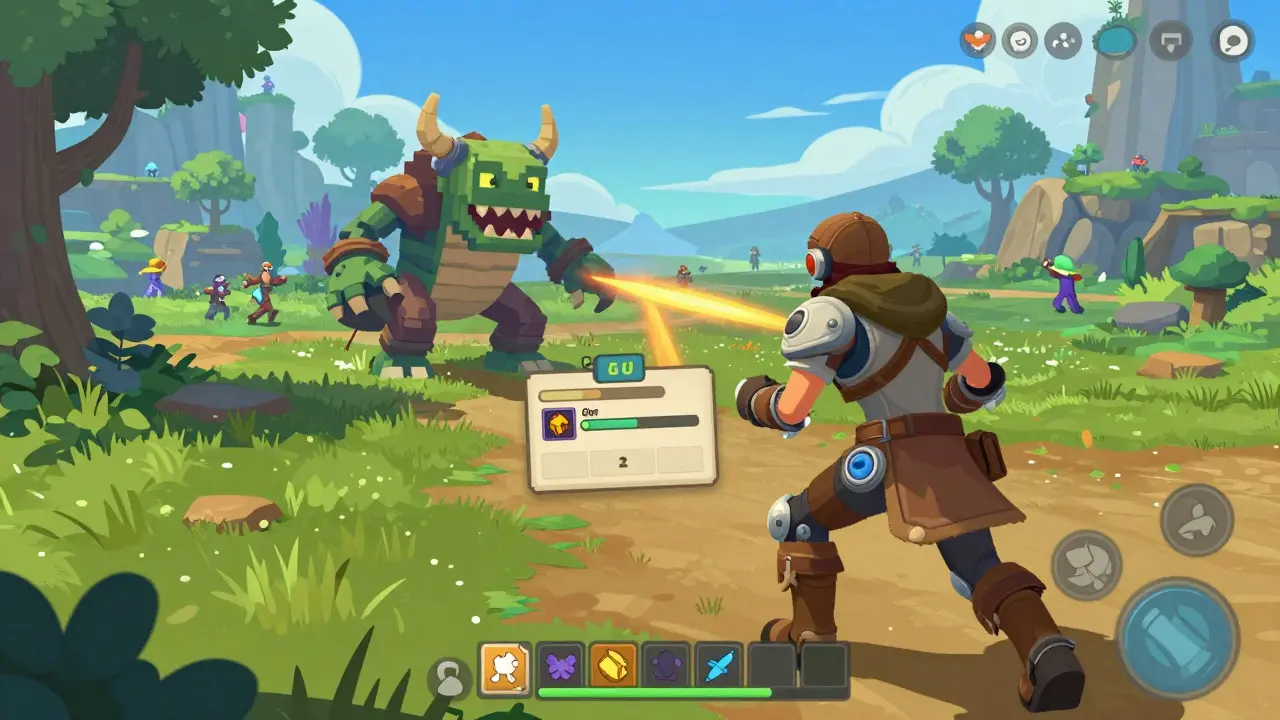
- Engage and Earn: Complete quests, fight monsters, and craft items. You’ll earn StreetCred for minor purchases and potentially mint NFTs that can be sold for HIGH or redeemed for physical goods.
Risks and Considerations
Before investing time or money into Highstreet, consider these critical factors:
- Extreme Volatility: With a 98% drawdown from its ATH, HIGH carries substantial downside risk. Small-cap metaverse tokens are highly sensitive to market sentiment shifts.
- Adoption Dependency: The value of HIGH relies on continued participation from both gamers and real-world brands. If brands stop integrating their products, the "phygital" model loses its unique edge.
- Security: While HIGH operates on secure blockchains (Ethereum/BNB), smart contract risks always exist. There are no widely publicized hacks of the core HIGH token, but users should always verify contract addresses before interacting with dApps.
- Competition: The metaverse space is crowded. Projects like Decentraland and The Sandbox have larger ecosystems, though they lack Highstreet’s specific focus on retail redemption.
Is Highstreet (HIGH) a good investment in 2026?
HIGH is considered a high-risk, high-reward asset. After dropping over 98% from its 2021 peak, it trades at a fraction of its former value. Its potential depends on successful adoption of its phygital commerce model by major brands. Investors should only allocate funds they can afford to lose and conduct thorough due diligence.
What is the difference between HIGH and StreetCred?
HIGH is the primary on-chain token used for governance, premium purchases, and staking. StreetCred is an off-chain in-game currency used for everyday micro-transactions like buying basic weapons or healing items. This dual system helps stabilize the economy by separating high-value assets from routine spending.
Can I redeem Highstreet NFTs for real products?
Yes, that is the core concept of "phygital" commerce. Certain NFTs purchased in Highstreet World represent both in-game items and claims to physical merchandise from partner brands. However, not every item is redeemable, so check the specific terms of each NFT collection.
Which blockchains support the HIGH token?
HIGH is available as an ERC-20 token on Ethereum and as a BEP-20 token on BNB Chain. This allows users to trade and use the token across multiple decentralized exchanges and wallets on both networks.
What is the maximum supply of HIGH tokens?
The maximum supply of HIGH is fixed at 100,000,000 tokens. As of late May 2026, approximately 91.3 million tokens were in circulation, meaning the majority of the supply is already active in the market.

Write a comment