
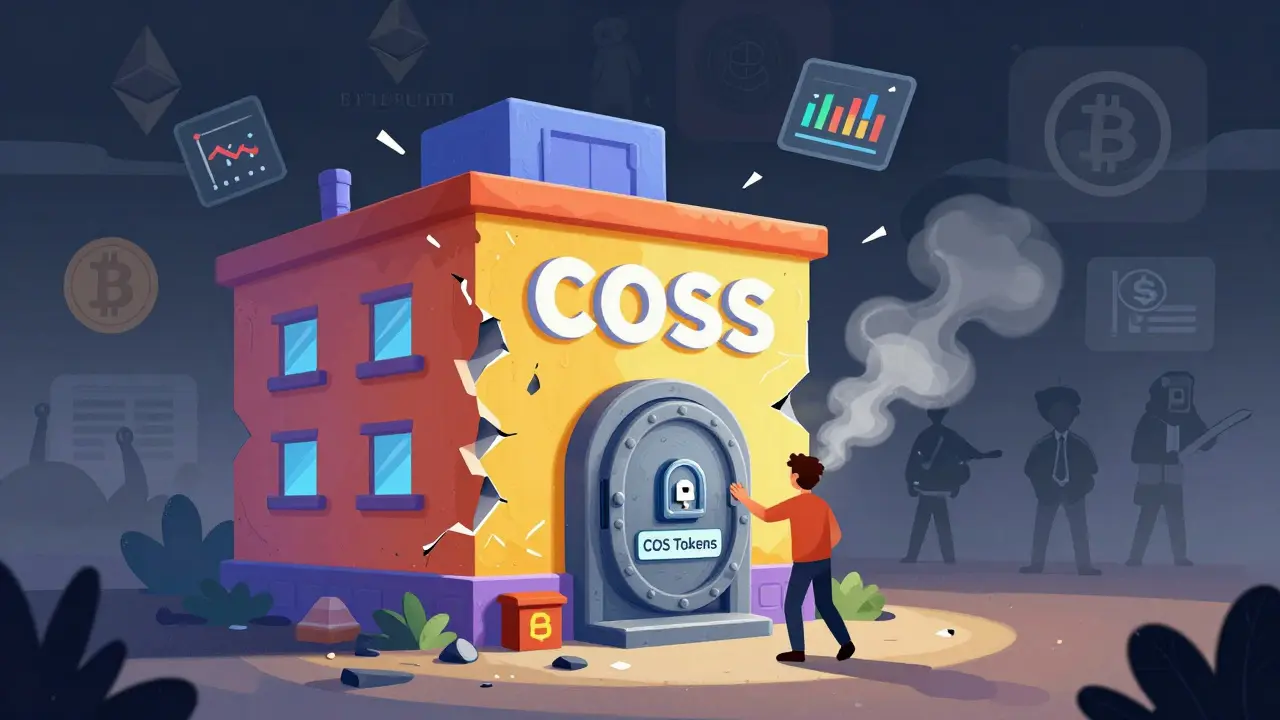
COSS was once promoted as a crypto exchange that did it all - trade, store, swap, and launch tokens - all in one place. But today, it’s a ghost. No trading. No withdrawals. No customer support. Just silence. If you’re considering using COSS, stop. This isn’t a review of a struggling platform. It’s a warning about a platform that died, taking users’ money with it.
What Was COSS Supposed to Be?
COSS, short for Crypto One Stop Solution, launched in 2017 from Singapore. Its founders claimed it wasn’t just another exchange. It was an ecosystem: a trading platform (COSS Exchange), a multi-chain wallet (COSS Wallet), and an IEO launchpad (COSS Lift-Off). The idea was simple: hold COS tokens, get a share of trading fees, and access everything crypto-related without jumping between apps. At first, it looked promising. Trading fees were low - 0.25% for market orders, 0% for limit orders. Withdrawal fees for Bitcoin were among the lowest in the industry: just 0.0004 BTC. The real draw? The Fee Sharing Agreement. Half of all trading fees went straight to COS token holders. That’s rare. Most exchanges keep fees for themselves. COSS promised to reward loyalty. It also supported fiat deposits in USD, EUR, GBP, HKD, and JPY via bank transfer. That was a big deal back then. Most small exchanges only accepted crypto deposits. And unlike many rivals, COSS didn’t require credit card payments - which meant less fraud risk, but also less convenience for new users.The Rise and the Crash
By 2019, COSS had grown to handle $5-10 million in daily trading volume. Not huge compared to Binance or Coinbase, but solid for a mid-tier platform. It joined the Singapore Fintech Association and the Ethereum Enterprise Alliance - signals of legitimacy. Its wallet offered GPS-based crypto transfers and in-wallet swaps. It even launched a decentralized exchange (COSS DEX) in mid-2020, promising cross-chain trading. But cracks appeared fast. Users started reporting delays. Withdrawals took longer. Then they stopped entirely. By August 2021, Trustpilot was flooded with posts like:- “All my cryptos are in audit mode. No way to get them back.”
- “Support emails bounced. Telegram group vanished.”
- “I did new KYC after their ‘migration.’ Still can’t withdraw.”
Why COSS Failed When Others Survived
Compare COSS to Kraken, Coinbase, or Binance. All three survived the 2022 crypto crash. Why? They had reserves. They had regulatory compliance. They had customer trust. COSS had none of that. It never obtained a formal license under Singapore’s Payment Services Act, which took effect in January 2020. That meant it operated in a legal gray zone. No oversight. No accountability. When things went wrong, there was no regulator to turn to. Its token, COS, lost 98% of its value by 2021. That killed the incentive to hold it. No one wanted a token that gave you fee rebates if you couldn’t even access your funds. Meanwhile, competitors improved. Binance slashed fees further with BNB discounts. Kraken added margin trading and futures. Coinbase made it easy to buy crypto with a credit card. COSS did nothing. It didn’t innovate. It didn’t fix problems. It just vanished.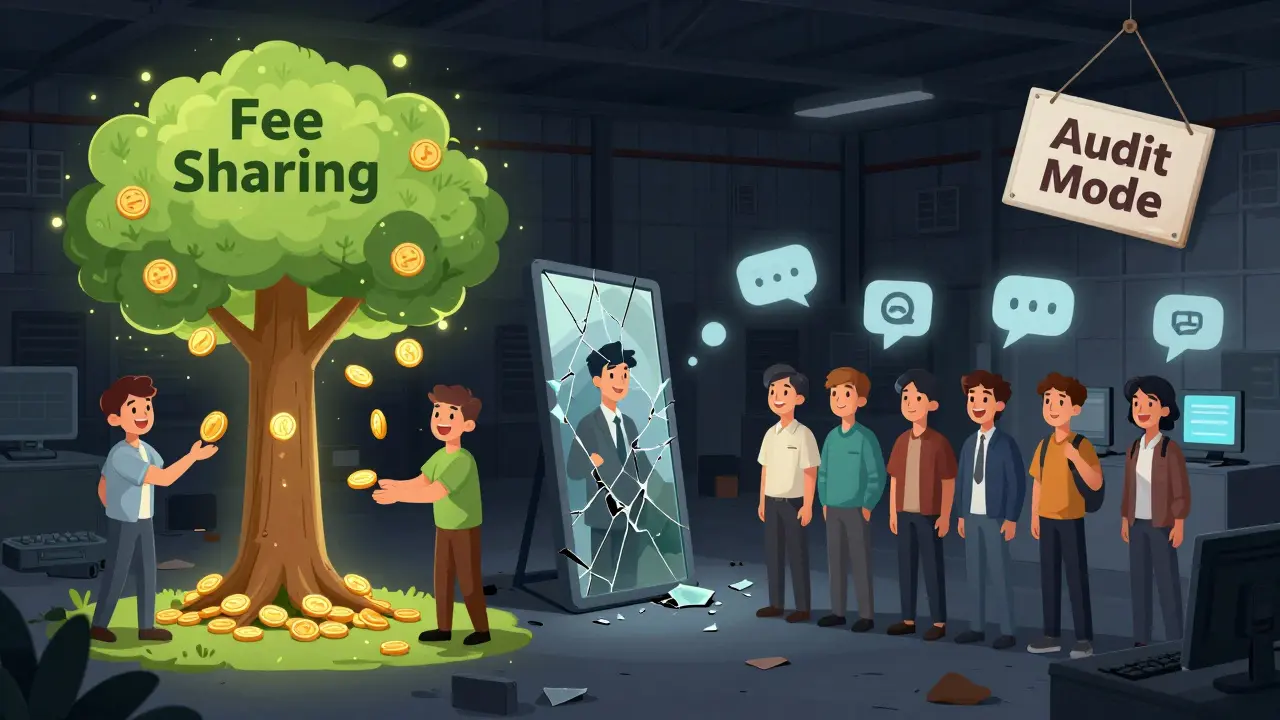
What Users Lost - And Why No One Can Help
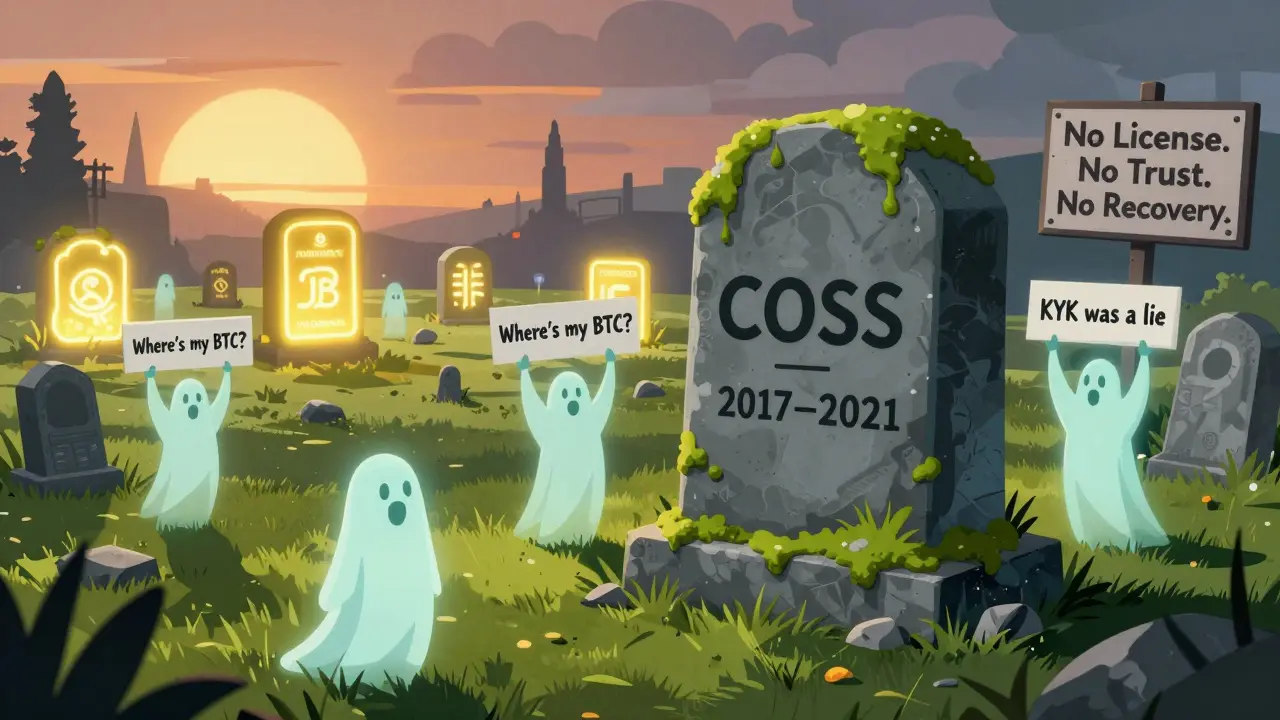
Thousands of users lost everything. Bitcoin. Ethereum. Altcoins. Some had six-figure portfolios. All locked in “audit mode.” There’s no recovery process. No class-action lawsuit. No official statement from the company. The website coss.io now redirects to a placeholder page. The domain is inactive. The company’s legal entity, Crypto One Stop Solution Pte. Ltd., still exists on paper - but it’s empty. Reddit threads from 2021 still have hundreds of users asking, “Anyone else stuck with COSS?” The answers are always the same: “Yes. And no one cares.” This isn’t a technical failure. It’s a fraud. The pattern matches known exit scams: sudden silence, fake KYC demands, disappearing support, broken links, and a token that collapses as soon as users try to cash out.How COSS Compares to Real Exchanges
| Feature | COSS | Kraken | Coinbase | Binance |
|---|---|---|---|---|
| Current Status | Shut down (2021) | Active | Active | Active |
| Trading Fees (Maker) | 0.00% (historical) | 0.16% | 0.40% | 0.02% (with BNB) |
| Withdrawal Fees (BTC) | 0.0004 BTC (historical) | 0.0005 BTC | 0.0005 BTC | 0.0005-0.0007 BTC |
| Fiat Deposits | Bank transfer only | Bank, card | Bank, card, Apple Pay | Bank, card, P2P |
| Regulatory Compliance | None confirmed | US, EU, UK licensed | US, EU licensed | Global licenses |
| Customer Support | Nonexistent | 24/7 live chat | 24/7 support | 24/7 support |
| Wallet Security | Unverified, now defunct | Hot + cold storage | Hot + cold storage | Hot + cold storage |
What You Should Do If You’re Still Using COSS
If you still have funds on COSS, you’re not alone. But you’re also out of options.- Don’t trust any “recovery service” that asks for your private keys or a fee upfront. That’s a second scam.
- Don’t contact “COSS support” - those emails are fake now.
- Don’t wait for a “refund.” There won’t be one.
- Document everything: screenshots, transaction IDs, emails. It won’t bring your money back, but it might help if legal action ever happens.
Where to Go Instead
If you need a crypto exchange, pick one that’s still alive - and has been for years.- Kraken: Best for security and advanced traders.
- Coinbase: Best for beginners and fiat on-ramps.
- Binance: Best for low fees and wide coin selection.
- Crypto.com: Best for rewards and debit cards.
Final Verdict
COSS was never just a failed exchange. It was a warning. A case study in how not to build a crypto platform. It promised everything but delivered nothing. It lured users with low fees and token rewards, then vanished when it was time to pay up. Don’t make the same mistake. If an exchange doesn’t have a clear legal presence, public audits, or responsive support - walk away. Even if it looks fancy. Even if it offers 0% fees. Even if your friend said it was “the next big thing.” COSS is dead. Don’t bury your money with it.Is COSS exchange still operational?
No, COSS ceased operations in mid-2021. The website is inactive, customer support is unreachable, and users report their funds are locked in “audit mode” with no path to recovery. All trading pairs have been removed from CoinMarketCap, and the domain now redirects to a placeholder page.
Can I get my money back from COSS?
Almost certainly not. Thousands of users have tried to recover funds since 2021, with zero success. There is no official recovery process, no legal recourse, and no regulatory body overseeing COSS. Any service claiming to help you recover your assets is likely another scam.
Why did COSS shut down?
COSS shut down because it operated without proper licensing, failed to maintain user trust, and likely mismanaged funds. After promising fee-sharing and easy withdrawals, it suddenly locked all accounts under false pretenses like “KYC migration.” The platform’s token collapsed, support vanished, and the team disappeared - classic signs of an exit scam.
Was COSS ever regulated?
No credible evidence shows COSS obtained a license under Singapore’s Payment Services Act, which became mandatory in January 2020. While it claimed membership in industry groups like the Singapore Fintech Association, these are not regulatory licenses. Without official oversight, COSS operated in a legal gray zone, making it vulnerable to collapse.
What should I do if I used COSS in the past?
If you still have funds on COSS, assume they are lost. Do not respond to any recovery offers or pay fees to “unlock” your account. Document your transactions and account history for your own records. Move forward by switching to a licensed, reputable exchange like Kraken, Coinbase, or Binance.
Is the COS token still worth anything?
No. The COS token lost over 98% of its value by 2021 and is no longer listed on any major exchange. Even if you still hold it, it has no utility - the platform it was tied to no longer exists, and there is no market for trading it.

Comments
Jessica Boling
So COSS was basically the crypto version of a timeshare sales pitch-loud, shiny, and gone before you realize you just handed over your life savings.
Meanwhile, Kraken’s still here with 24/7 support and actual lawyers.
Learn the lesson. Never trust a platform that sounds too good to be true.
It always is.
Tammy Goodwin
I remember when COS tokens were everywhere. Everyone was talking about the 50% fee sharing like it was free money.
Turns out it was just the bait before the trap snapped shut.
People still ask me if it’s coming back.
I just send them this post and walk away.
Some losses aren’t just financial-they’re lessons in trust.
MOHAN KUMAR
COSS was a scam. No doubt. But why do people still fall for this? They see low fees and think ‘smart’. They see token rewards and think ‘investing’. They don’t see the lack of license, the silence, the broken links.
It’s not about the platform. It’s about the person holding the wallet.
Learn to read between the lines. Or lose everything again.
Bonnie Sands
Did you know COSS’s CEO was linked to a defunct Nigerian fintech startup from 2015?
And the domain registrar? Registered under a shell company in the Seychelles.
And the ‘Singapore Fintech Association’ membership? They don’t even verify members.
This wasn’t a failure.
This was planned.
They knew exactly when to vanish.
And the regulators? Still asleep.
Next time you see a ‘revolutionary’ exchange, check the founders’ LinkedIn. If it’s empty or fake-run.
Margaret Roberts
They said ‘KYC migration’.
They said ‘system upgrade’.
They said ‘hold tight’.
And now the whole thing is a ghost site with a 404 page and a single line of text: ‘Thank you for your patience.’
What patience? I’ve been waiting three years.
They didn’t fail.
They stole.
And now they’re probably sipping cocktails in Bali with my ETH.
And no one’s doing anything.
Because crypto is the Wild West.
And the sheriff is on vacation.
Tselane Sebatane
I lost $87,000 in COSS.
Not because I was greedy.
Because I believed in the vision.
They had a roadmap. They had a team photo. They had a whitepaper that sounded like Elon Musk wrote it.
But behind the scenes? No audits. No compliance. No transparency.
And now? I’m still trying to sleep at night.
But I’ve started mentoring new crypto users.
Because if I can save even one person from this nightmare, then my loss meant something.
Don’t let your money become someone else’s vacation fund.
Check the license. Check the support. Check the silence.
And if it’s silent? Walk away. Now.
Jonny Lindva
Been there. Lost everything.
But I learned.
Now I only use exchanges with real offices.
Real phone numbers.
Real people answering emails.
And if they say ‘we’re upgrading’? I pull my funds.
Because upgrades don’t take 2 years.
And if your wallet is ‘in audit’? That’s code for ‘we’re gone’.
Don’t be the last one holding the bag.
It’s not worth it.
Nathan Drake
There’s a quiet tragedy here.
Not just the money.
But the erosion of belief.
People trusted a system that promised fairness.
And it broke.
Not because of market forces.
But because humans built it to fail.
And now we’re left wondering-can anything in crypto ever be trusted?
Maybe the answer isn’t in the technology.
But in the people who claim to serve it.
Anna Topping
I used to think crypto was about decentralization.
Now I think it’s about who’s holding the keys to the vault.
COSS made me realize-no matter how fancy the UI, if no one’s accountable, it’s just a digital casino with a whitepaper.
And casinos don’t refund your losses.
They just take your next bet.
Don’t give them one.
Jeffrey Dufoe
I’m still mad.
But I’m not angry at the people who lost.
I’m angry at the ones who sold it.
They knew.
They had to know.
And they still told their friends to invest.
That’s worse than the scam.
That’s betrayal.
And we need to call it out.
Not just the platform.
But the hype machine behind it.
Ashok Sharma
My brother lost his life savings in COSS.
He was a teacher. Didn’t know much about crypto.
He trusted because the website looked professional.
Now he doesn’t talk about it.
I help him now.
I teach him about Kraken, Coinbase.
And I remind him: if it doesn’t have a physical address, it’s not real.
Don’t be like my brother.
Ask questions.
Check licenses.
Wait for reviews.
It’s not hard.
Just not easy.
Harshal Parmar
Look I know it hurts.
But don’t give up on crypto.
COSS was bad.
But Binance? Kraken? Coinbase? They’re still here.
They’ve lost money too.
But they didn’t vanish.
They fixed things.
They listened.
So don’t let one bad apple ruin the whole basket.
Just be smarter next time.
Check the team.
Check the audits.
Check the support.
And if you see silence?
Walk away.
And tell others.
That’s how we make crypto better.
Jen Allanson
COSS represents the complete collapse of ethical standards in the digital asset space.
There was no fiduciary duty.
No regulatory oversight.
No transparency.
Only hollow promises wrapped in marketing jargon.
Users were not clients.
They were liquidity sources.
And now, their financial ruin is treated as collateral damage in the broader narrative of innovation.
This is not a cautionary tale.
It is a moral indictment.
Jennifer Duke
Of course COSS failed.
It was built by people who thought ‘crypto’ meant ‘no rules’.
Meanwhile, real exchanges? They got licenses.
They hired compliance officers.
They even have offices you can visit.
COSS? Their ‘office’ was a Gmail account.
And now they’re probably living in Monaco.
While we’re stuck with screenshots of our ‘audit mode’ balances.
It’s not a failure.
It’s a class war.
And we lost.
Chidimma Catherine
As someone from Nigeria I have seen many scams but COSS was different
It had the look of legitimacy
It spoke like a bank
It promised like a prophet
But it was never real
Many of my friends lost everything
And now they are scared to even touch crypto
We need more education
Not just warnings
We need to teach people how to spot the signs before they lose everything
Not after
Because the next COSS is already being built
And it will be even more convincing
Darrell Cole
Everyone’s blaming COSS.
But where were the regulators?
Where was the SEC?
Where was anyone?
This isn’t a user error.
This is systemic failure.
They let a company with zero license operate for years.
They let them collect fiat deposits.
They let them market themselves as a ‘solution’.
And now the users pay.
So don’t blame the victims.
Blame the system that let this happen.
Because the next one? It won’t be stopped either.
Unless we force change.
Not just warnings.
Actual law.
Dave Ellender
Just wanted to say I read this whole thing.
It’s accurate.
And it’s heartbreaking.
I had a small amount in COSS.
Didn’t think much of it.
Now I wish I’d pulled it out when the withdrawals slowed.
Lesson learned.
Thanks for writing this.
It’s the kind of post that saves people.
Keep doing it.
Matthew Kelly
My buddy lost $40k in COSS.
He still checks the website every day.
Like maybe today it’ll be back.
I told him it’s like waiting for your ex to text you after they ghosted you for 3 years.
He laughed.
Then cried.
Then deleted the bookmark.
Now he uses Kraken.
And he’s okay.
It takes time.
But you can heal.
Just don’t go back.
They’re not coming back.
And you’re not going to get your money.
But you can still trust again.
Just not with ghosts.
Adam Fularz
COSS was never a real exchange.
It was a Ponzi dressed up like a startup.
And everyone who promoted it knew.
They just didn’t care.
Because they got their cut.
And now the users are left with nothing.
And the promoters? Still posting memes about ‘crypto freedom’.
Pathetic.
And predictable.
Next time someone says ‘it’s different this time’?
Block them.
And then report them.
Andy Simms
Here’s the truth nobody says: COSS didn’t die because of market conditions.
It died because they ran out of new people to scam.
Once the initial wave of investors cashed out, the platform couldn’t sustain itself.
So they stopped withdrawals.
Called it ‘audit’.
And waited for the next batch of fools.
But the fools stopped coming.
So they vanished.
It’s not a failure.
It’s a business model.
And it’s still alive.
Just under a different name.