
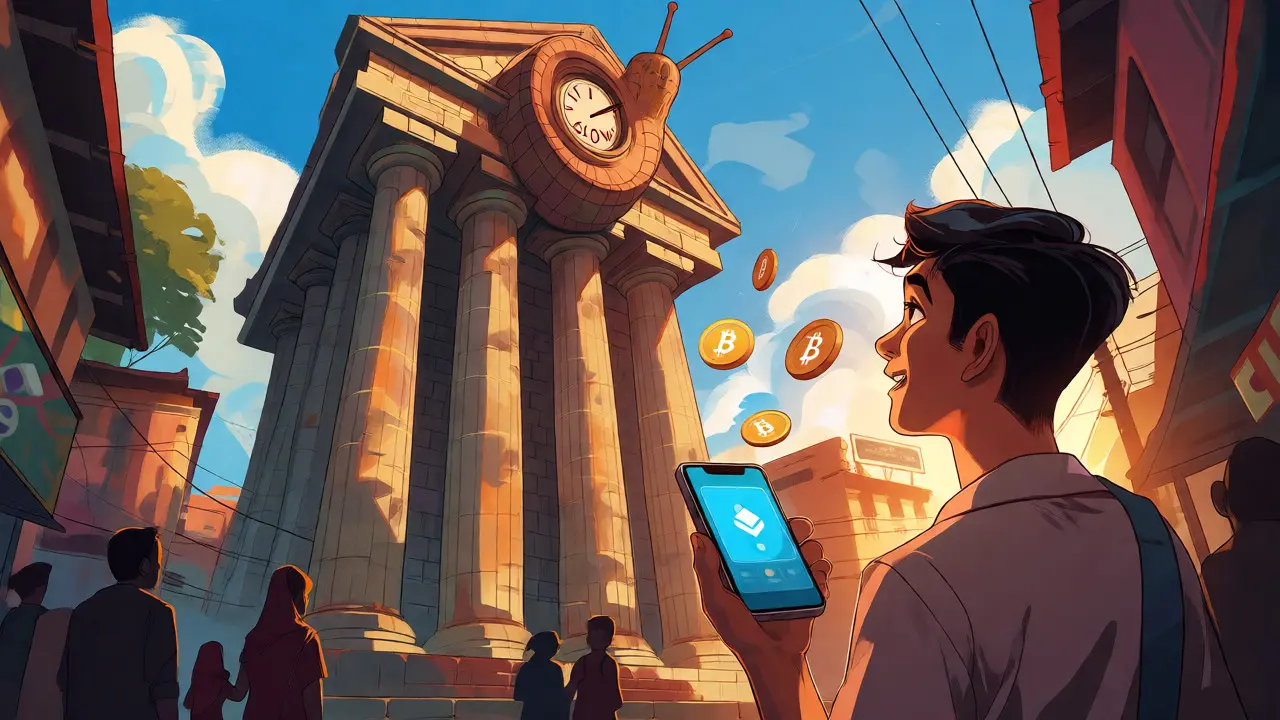
Imagine sending money home from Dubai to your family in Chittagong. Traditional banks charge you 5-8% in fees and take days. Now imagine doing it in minutes for less than 1%, using nothing but your smartphone and a local mobile wallet. That is the reality for millions of Bangladeshis navigating P2P crypto trading. But here is the catch: while everyone is doing it, the government says it is illegal.
This paradox defines the Bangladeshi crypto scene. As of late 2026, approximately 3.5 million people are actively trading digital assets, yet they do so under the constant threat of legal action. If you are looking to buy or sell Bitcoin, Ethereum, or USDT in Bangladesh, you cannot just walk into a bank. You have to use peer-to-peer (P2P) methods that bypass traditional financial rails. This guide breaks down exactly how these methods work, which platforms dominate the market, and the specific risks you face when moving taka into the blockchain world.
The Legal Grey Zone: Why Is It Complicated?
You might wonder why there is a massive crypto community in a country where the central bank has banned cryptocurrency since 2014. The answer lies in enforcement versus adoption. Bangladesh Bank explicitly states that trading crypto violates Section 33 of the Foreign Exchange Regulation Act 1947. They argue that converting Taka into any foreign currency without prior approval is illegal.
However, the law targets the transaction mechanism, not necessarily the possession of digital tokens themselves, though this distinction is blurry. In 2022, police arrested 17 traders in Dhaka under Section 411 of the Penal Code, labeling their crypto holdings as "stolen property." This sets a scary precedent. Yet, enforcement is inconsistent. While raids on physical trading hubs happen-such as the 87 raids conducted between October 2024 and January 2025-the sheer volume of users makes total prohibition difficult.
Binance P2P remains the dominant platform, used by roughly 68% of Bangladeshi traders. It operates in a unique space where the exchange acts as an escrow service, holding the crypto until the buyer confirms payment via mobile banking. This structure helps mitigate some trust issues but does not shield users from regulatory scrutiny if their bank accounts are flagged for suspicious activity.
Method 1: Centralized Exchange P2P Platforms
For most beginners and intermediate users, centralized exchanges (CEX) with P2P functionality are the go-to solution. Platforms like Binance, Bybit, and KuCoin allow users to trade directly with each other while the platform holds the asset in escrow.
Here is how the process typically works in Bangladesh:
- Select an Ad: You browse ads from sellers who accept your preferred payment method, usually bKash or Nagad.
- Initiate Trade: The seller locks the required amount of USDT or BTC in the platform’s smart contract escrow.
- Send Payment: You transfer Taka from your mobile banking app to the seller’s personal account. Note: You must never mention "crypto," "Bitcoin," or "USDT" in the transaction notes. Use generic terms like "payment" or leave it blank.
- Confirm Receipt: The seller checks their bank app. Once confirmed, they release the crypto from escrow to your exchange wallet.
Binance dominates this space with a 73% market share among exchange-based options. The primary advantage is security; if a dispute arises, you can open a ticket, and Binance support will review chat logs and proof of payment. However, this comes at a cost. Spreads (the difference between buy and sell prices) often range from 1.2% to 3.5% above the global market rate. This premium pays for the convenience and the risk the seller takes by dealing with local fiat restrictions.
Method 2: Informal Agent Networks
If you prefer cash transactions or want to avoid digital footprints entirely, informal agent networks are popular. These are often mobile financial service agents or tech-savvy individuals operating out of small shops in Dhaka, Chittagong, or Sylhet. Data suggests there are over 12,000 registered mobile financial service agents in Dhaka alone who facilitate these trades.
The appeal here is immediacy. You hand over cash, and the agent sends USDT to your wallet instantly. There are no KYC hurdles for smaller amounts, and you don’t need to link a bank account. However, the costs are significantly higher. Agents typically charge spreads of 4-8%. More importantly, the risk of fraud is substantial. Without an escrow service, you rely entirely on trust. A common scam involves an agent receiving your cash and then reversing the mobile money transfer later, leaving you with no crypto and no money.
| Feature | Exchange P2P (Binance) | Informal Agents | DEX (PancakeSwap) |
|---|---|---|---|
| Avg. Spread/Cost | 1.2% - 3.5% | 4% - 8% | 0.8% + Gas Fees |
| Payment Method | bKash, Nagad, Bank | Cash, Mobile Money | BNB (Crypto only) |
| Security Mechanism | Platform Escrow | Trust / Reputation | Smart Contract |
| KYC Requirement | Mandatory | Minimal / None | None |
| User Share | ~68% | ~24% | ~8% |
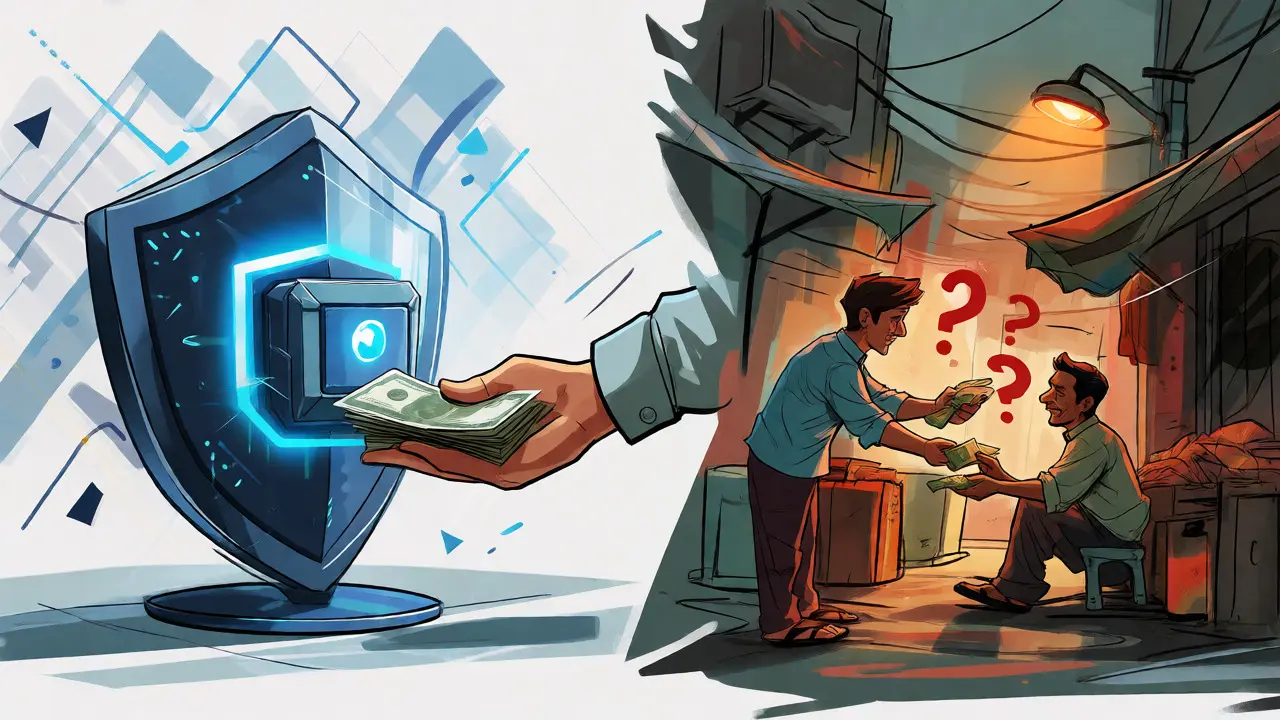
Method 3: Decentralized Exchanges (DEX)
For the tech-savvy minority (about 8% of traders), decentralized exchanges offer true autonomy. Using tools like MetaMask connected to PancakeSwap on the Binance Smart Chain (BSC), users can swap tokens directly without ever touching the Taka system within the DEX itself. This method requires a two-step process: first, acquiring BNB or USDT via P2P, then swapping it on-chain.
The main benefit is privacy. Since DEXs do not require KYC, your identity is not linked to your trading history. However, the barrier to entry is high. You need to understand gas fees (currently averaging $0.15 per transaction on BSC), network congestion, and wallet management. Mistakes here are irreversible. If you send funds to the wrong address, they are gone forever. Furthermore, during peak hours, network congestion can increase error rates by 32%, leading to failed transactions that still cost you gas fees.
The Role of Mobile Financial Services
You cannot talk about P2P in Bangladesh without talking about bKash and Nagad. With 72.5 million active bKash users and 45 million Nagad users, these platforms are the backbone of crypto liquidity. They provide the bridge between the formal banking sector (which avoids crypto) and the informal economy.
However, using them for crypto comes with risks. Bangladesh Bank monitors transactions above ৳50,000 closely. In Q4 2024, 1,842 accounts were temporarily frozen due to "suspicious transactions." To stay safe, experienced traders follow strict rules:
- Avoid Round Numbers: Sending exactly ৳10,000 looks automated. Sending ৳10,045 looks organic.
- No Keywords: Never write "BTC," "ETH," or "Trade" in the remarks field.
- Use Personal Accounts: Business accounts are more likely to be flagged than personal ones.
- Keep Records: Screenshot every chat and payment confirmation. If your account is frozen, you will need this proof to explain the source of funds.
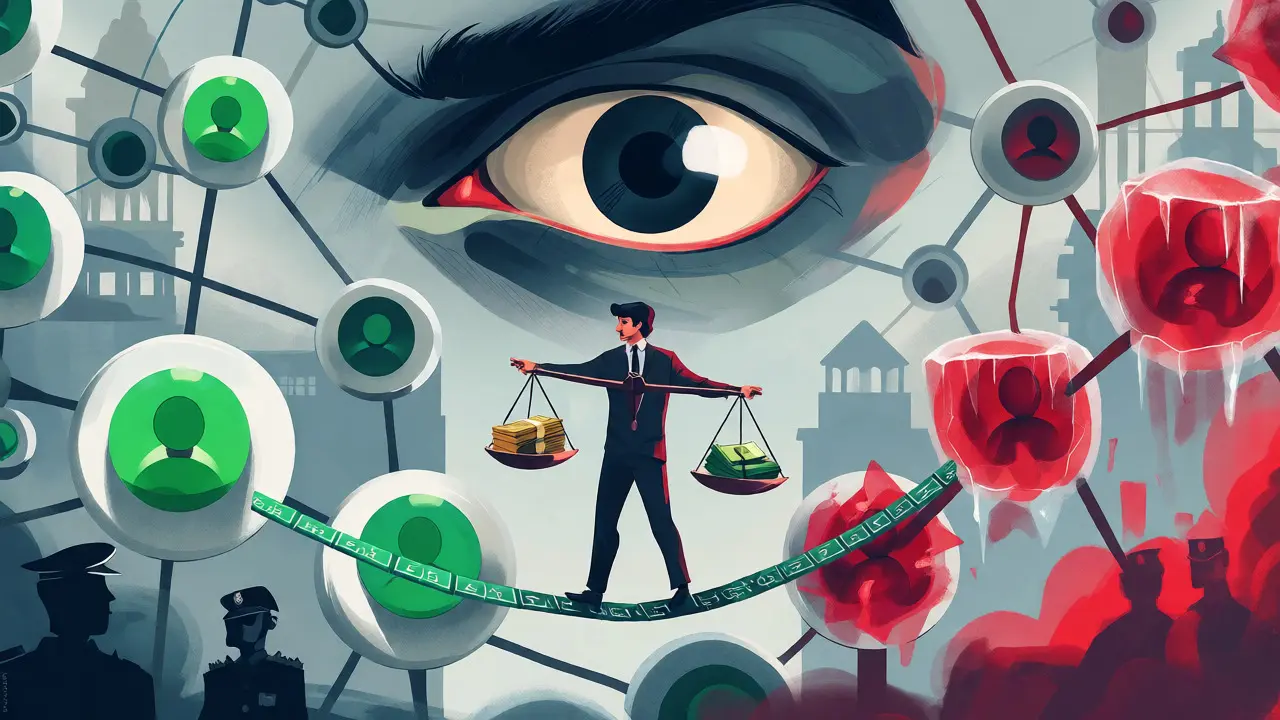
Risks and Pitfalls to Avoid
The biggest misconception is that P2P is safe because the platform protects you. It doesn't protect you from everything. Here are the top three dangers:
1. Chargeback Fraud: In informal trades, a buyer might send payment via bKash, receive the crypto, and then claim the payment was sent to the wrong number, requesting a reversal. Always wait for the official SMS confirmation before releasing funds.
2. Account Freezes: Banks and mobile financial services are getting smarter at detecting patterns. If you frequently receive large sums from different people and immediately withdraw them, your account may be locked. Recovery can take weeks, and you might lose access to your working capital.
3. Regulatory Crackdowns: The government recently formed a 12-member Crypto Asset Task Force. Their recommendations, expected by late 2025, could change the landscape overnight. While a full ban is unlikely given the economic benefits of remittances, stricter reporting requirements are probable.
Getting Started: A Practical Checklist
If you are ready to start trading, follow this sequence to minimize friction:
- Verify Your Identity Early: Complete KYC on Binance or Bybit before you need to trade. Verification can take 24-72 hours, and delays during peak times can stall your progress.
- Fund Your Mobile Wallet: Ensure your bKash or Nagad account is active and has sufficient balance. Test with a small amount (e.g., ৳500) first.
- Start Small: Your first trade should be under ৳10,000. Get comfortable with the interface and the communication style of sellers.
- Check Seller Ratings: On P2P platforms, look for sellers with high completion rates (>95%) and low average release times (<15 minutes).
- Join Community Groups: Telegram channels like 'Crypto BD Guide' (with 47k+ members) are invaluable for real-time alerts on fraudulent agents and market trends.
The learning curve is steep but manageable. Most beginners spend about 17.5 hours understanding the basics. Once you grasp the flow of funds-from Taka to mobile wallet to P2P order to crypto-you gain a powerful tool for wealth preservation and cross-border transfers.
Frequently Asked Questions
Is crypto trading completely illegal in Bangladesh?
It operates in a legal grey zone. While Bangladesh Bank prohibits transactions involving foreign currencies without approval, and has issued warnings against crypto, there is no specific law criminalizing the mere possession of cryptocurrency. However, trading can lead to account freezes or legal challenges under foreign exchange regulations.
Which payment method is best for P2P trading in Bangladesh?
bKash is the most widely accepted method, used in 61% of Binance P2P transactions. Nagad is also popular (29%). Bank transfers are less common (10%) due to slower processing times and higher scrutiny from banks regarding foreign exchange laws.
Can I get my bank account frozen for trading crypto?
Yes, it is possible. Banks monitor for suspicious activities, such as frequent large transfers to/from unknown individuals. In 2024, thousands of accounts were temporarily frozen. Keeping transaction notes neutral and maintaining records of chats can help resolve disputes faster.
What is the typical fee for P2P trading?
Fees vary by method. Exchange P2P spreads are typically 1.2-3.5%. Informal agents charge 4-8%. DEX swaps involve network gas fees (approx. $0.15 on BSC) plus token swap fees (0.25%). Remember, the spread is effectively your cost of doing business.
Do I need to pay taxes on crypto profits in Bangladesh?
Currently, there is no specific tax framework for crypto gains. However, income generated from crypto sales could theoretically be subject to general income tax laws. Since enforcement is lax, most traders do not report these gains, but this could change with new regulations.

Write a comment