

You clicked on this link because you saw a shiny promise: free tokens from the SOS Foundation for their IDO Launch Celebration airdrop. It’s an exciting prospect, especially in the current market where liquidity is tight and every extra satoshi counts. But here is the hard truth: specific public data on this exact campaign is scarce right now. That silence is your first red flag. In the world of decentralized finance (DeFi), if the details aren’t clear, they usually mean one of two things: it’s a brand new announcement with little coverage, or it’s a high-risk play that hasn’t passed community scrutiny yet.
This guide isn’t just about telling you how to claim; it’s about keeping your wallet safe while you do. We’ll break down what an IDO launch celebration actually entails, how to verify if SOS Foundation is legit, and the specific steps you need to take to avoid losing funds to a simple scam. Whether you’re a seasoned DeFi degenerate or someone dipping their toes into crypto for the first time, the rules of engagement are the same: verify everything, trust nothing blindly, and manage your risk.
What Is an IDO Launch Celebration?
To understand the SOS Foundation offer, you first need to decode the jargon. An Initial DEX Offering (IDO) is a fundraising event where a new project launches its token on a decentralized exchange (DEX) like Uniswap or PancakeSwap, often with support from a launchpad platform. Think of it as a public debut party for the token. The "Launch Celebration" part is the marketing hook. Projects use these events to reward early supporters, create hype, and drive initial trading volume.
The Airdrop is the incentive mechanism. Instead of paying cash for the token, you get it for free, usually in exchange for holding a specific asset, interacting with the project’s ecosystem, or simply being present at a certain block height. For SOS Foundation, this likely means they are distributing their native token to users who meet specific criteria before or during the IDO window. This strategy helps them build a distributed holder base quickly, which is crucial for price stability after the launch.
However, not all IDOs are created equal. Some are backed by major venture capital firms and have audited smart contracts. Others are small-cap projects with unproven teams. The "Celebration" label doesn’t guarantee quality; it just signals intent. Your job is to separate the signal from the noise.
Verifying SOS Foundation: The Due Diligence Checklist
Since comprehensive third-party reviews for this specific campaign are limited, you need to act as your own auditor. Don’t rely solely on social media hype. Here is how you verify the legitimacy of the SOS Foundation IDO:
- Official Channels Only: Find the official website and verified social media accounts (X/Twitter, Telegram, Discord). Look for the blue checkmark or verification badge. Scammers often clone websites with slightly different URLs (e.g., sos-foundation.io instead of sosfoundation.io).
- Smart Contract Audit: Check if the token contract has been audited by reputable firms like CertiK, HackQuest, or OpenZeppelin. An unaudited contract is a ticking time bomb. If there’s no audit, assume higher risk.
- Team Transparency: Are the founders doxxed? Do they have LinkedIn profiles or previous track records in tech or finance? Anonymous teams aren’t automatically scams, but they require more caution.
- Liquidity Locks: Ensure that the initial liquidity pool for the IDO is locked for a minimum of 3-6 months. If liquidity can be pulled anytime, the rug pull risk is high.
If you can’t find any of these details, pause. Wait for more information. In crypto, patience is a virtue that saves wallets.
Eligibility Criteria and Snapshot Mechanics
How do you actually qualify for the SOS Foundation airdrop? Most IDO celebrations use one of three models. You need to identify which one applies here:
- Holder-Based: You must hold a specific token (like ETH, BNB, or a partner project’s token) at a specific block number (the "snapshot"). This is common for projects launching on Ethereum or BSC.
- Interaction-Based: You need to complete tasks, such as joining the Telegram group, following on X, swapping a minimum amount of tokens, or providing liquidity to a specific pool.
- Whitelist/NFT-Based: Access is restricted to holders of a specific NFT or those who registered via a whitelist application process.
For SOS Foundation, check the official announcement for the exact snapshot date and time. Missing the snapshot by even one minute means missing out. Set a calendar reminder. Also, note the network. If the IDO is on Polygon, you need MATIC for gas fees. If it’s on Arbitrum, you need ETH. Having the wrong asset will cost you precious time.

Risk Assessment: What Could Go Wrong?
Let’s talk about the downside, because that’s where most people lose money. The primary risks associated with IDO airdrops include:
| Risk Type | Description | Mitigation Strategy |
|---|---|---|
| Scam/Phishing | Fake claim sites steal your private key. | Only use links from official sources. Never enter seed phrase on a website. |
| Token Dump | Early sellers crash the price post-launch. | Check vesting schedules. Avoid selling immediately if you believe in the project. |
| Gas Fees | High network fees eat into small airdrop values. | Claim during off-peak hours. Use Layer 2 networks if possible. |
| Illiquidity | Can’t sell the token due to low trading volume. | Check order book depth before claiming. If spread is >5%, be cautious. |
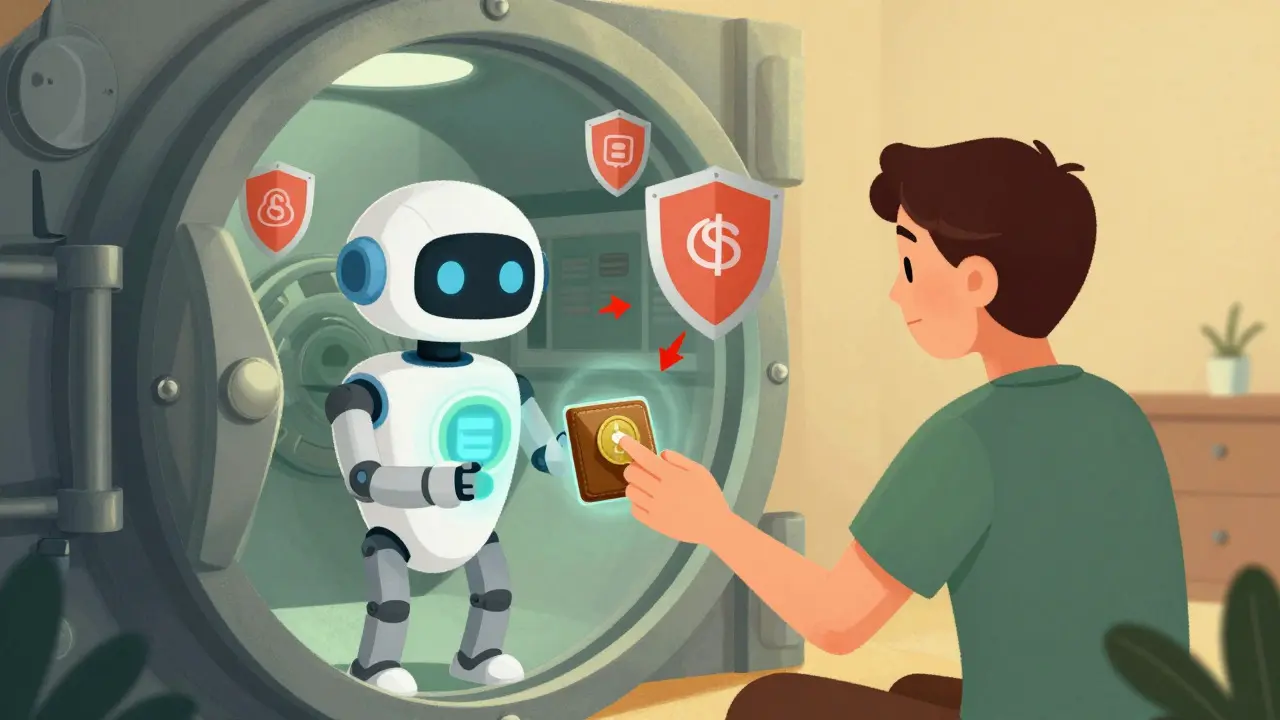
The biggest threat is human error. One click on a malicious link can drain your entire wallet. Always use a dedicated burner wallet for airdrops. Keep only the necessary funds in it. If you have $10,000 in your main MetaMask, don’t connect that wallet to a new, unaudited dApp. Create a fresh wallet, transfer $50 worth of gas tokens, and claim from there.
Step-by-Step Guide to Claiming Safely
Once you’ve verified the project and confirmed your eligibility, follow this strict protocol to claim your SOS Foundation tokens:
- Prepare Your Wallet: Create a new hardware wallet or software wallet specifically for this claim. Fund it with enough native currency (ETH, BNB, etc.) for gas fees-usually 2-3x the estimated fee to account for volatility.
- Navigate to Official Site: Bookmark the official URL. Type it manually or use a trusted directory like CoinGecko or CoinMarketCap to find the link. Avoid clicking ads on Twitter or Reddit.
- Connect Wallet: Connect your burner wallet. Watch for any suspicious permissions. If it asks for unlimited token approval, double-check the contract address against the official documentation.
- Verify Contract Address: Copy the token contract address from the official site and paste it into Etherscan (or BscScan/Polygonscan depending on the chain). Check the token name, symbol, and total supply. If it says "SOS" but the description is blank or weird, stop.
- Execute Claim: Click claim. Monitor the transaction hash on the block explorer. Wait for it to confirm (usually 1-3 blocks).
- Revoke Permissions: After claiming, go to Revoke.cash and revoke any unnecessary token approvals. This prevents future drains if the contract gets compromised later.
Tax Implications and Record Keeping
Don’t forget the boring stuff: taxes. In many jurisdictions, including New Zealand, receiving an airdrop is considered a taxable event at the moment of receipt. The value is calculated based on the fair market value of the token at the time you received it. Keep a record of:
- Date and time of receipt
- Number of tokens received
- Price per token at receipt (use a reliable historical price chart)
- Transaction hash for proof of ownership
If you plan to hold long-term, your basis for capital gains tax will be this initial value. If you sell immediately, you might owe income tax on the full amount. Consult a local tax professional if the airdrop value is significant relative to your income.
Next Steps and Troubleshooting
If you encounter issues, stay calm. Here are common problems and fixes:
- "Not Eligible" Error: Double-check the snapshot date. Did you hold the required asset at the exact block? Sometimes there’s a delay in data indexing. Wait 10-15 minutes and try again.
- Transaction Failed: Usually due to insufficient gas. Increase the gas limit by 10-20% and try again. Or, wait for network congestion to subside.
- Tokens Not Showing: Add the custom token to your wallet using the correct contract address. Standard wallets don’t always auto-detect new tokens immediately.
The SOS Foundation IDO Launch Celebration is an opportunity, but it’s also a test of your diligence. By verifying the contract, using a burner wallet, and understanding the mechanics, you turn a risky gamble into a manageable investment decision. Stay sharp, stay skeptical, and good luck with your claim.
Is the SOS Foundation IDO airdrop guaranteed?
No airdrop is truly "guaranteed" in the sense of zero risk. While the distribution itself is usually automated via smart contract, the value of the tokens is not guaranteed. Prices can drop significantly after launch. Additionally, technical failures or changes in eligibility criteria can occur. Always treat airdrops as speculative opportunities rather than assured wealth.
Do I need to pay gas fees to claim the SOS airdrop?
Yes, almost certainly. Unless the project uses a meta-transaction system (which is rare for standard IDOs), you will need to pay the native currency of the blockchain (e.g., ETH, BNB, MATIC) to cover the transaction cost of moving the tokens to your wallet. Budget for this upfront.
What happens if I miss the snapshot date?
If the airdrop is strictly holder-based, missing the snapshot date usually means you are ineligible. However, some projects allow late claims if you can prove you held the asset during the period, though this is uncommon. Check the FAQ section of the official SOS Foundation site for any grace periods or alternative qualification methods.
How do I know if the SOS token contract is safe?
Check for audits by reputable firms. Look at the developer activity on the contract-if the dev is active and responsive, that’s a good sign. Use tools like TokenSniffer or GoPlus Security to scan the contract for hidden mint functions or owner privileges that could let the team change the rules arbitrarily.
Should I sell the SOS tokens immediately after claiming?
This depends on your strategy and the project's fundamentals. Selling immediately locks in profit but exposes you to slippage and high gas fees during peak demand. Holding requires belief in the project's long-term vision. Many traders split their position: sell 50% to recover costs and keep 50% for potential upside.

Write a comment