
BVAL Law: What It Means for Crypto Compliance and Global Regulations
When you hear BVAL law, a regulatory framework used in certain jurisdictions to enforce financial transparency and combat illicit crypto flows. It's not a global rule, but it’s one of the more impactful local laws affecting how crypto platforms operate—especially in regions with strict anti-money laundering (AML) standards. Think of it as a legal checklist: if you’re running a crypto exchange, wallet service, or even just handling large transfers, BVAL law might require you to verify users, track transaction histories, and report suspicious activity. It’s not about banning crypto—it’s about making sure it doesn’t get used for fraud, tax evasion, or funding illegal operations.
BVAL law ties directly into other global systems like FATCA, FBAR, and the Financial Action Task Force (FATF) guidelines. For example, if a crypto exchange based in a BVAL-regulated country has users in the U.S., they may need to comply with both BVAL and U.S. reporting rules. That’s why you see platforms like BXTEN or WeDEX avoiding certain markets—they can’t meet the overlapping compliance demands. The same goes for airdrops and token swaps. If a project like ZERC or GMPD operates in a BVAL jurisdiction, they must ensure participants are verified before distributing tokens. Otherwise, they risk being labeled as facilitators of untraceable value transfers.
It’s not just exchanges that feel the pressure. Individual traders in countries enforcing BVAL law need to know their own obligations. Holding crypto on an offshore platform doesn’t make you invisible. If your transactions cross certain thresholds, you could be flagged—even if you never filed a tax form. That’s why posts about FATCA, crypto confirmation times, or custodial risk all connect back to the same underlying issue: trust and traceability. BVAL law forces the industry to choose between anonymity and legality. Most platforms pick legality, which means more KYC, slower withdrawals, and fewer anonymous services.
What’s missing from most discussions is how BVAL law affects everyday users outside major financial hubs. In places like Pakistan or India, where crypto regulations are still evolving, BVAL-style rules are being adopted piecemeal. That’s why Pakistani exchanges now need PVARA licensing, and Indian users face 1% TDS on every trade. These aren’t random policies—they’re local versions of the same global pressure. Even meme coins like LAMBO or FRY aren’t safe from scrutiny. If a token’s liquidity is concentrated in wallets tied to unverified users, regulators see red flags.
So when you look at the posts below—whether it’s about Myanmar scams, wrapped tokens, or exchange reviews—you’re seeing the real-world impact of BVAL law in action. It’s why some platforms vanish overnight, why airdrops turn out to be scams, and why even simple things like staking rewards now come with compliance baggage. This isn’t theoretical. It’s the legal backbone shaping what you can do, where you can do it, and who’s watching.
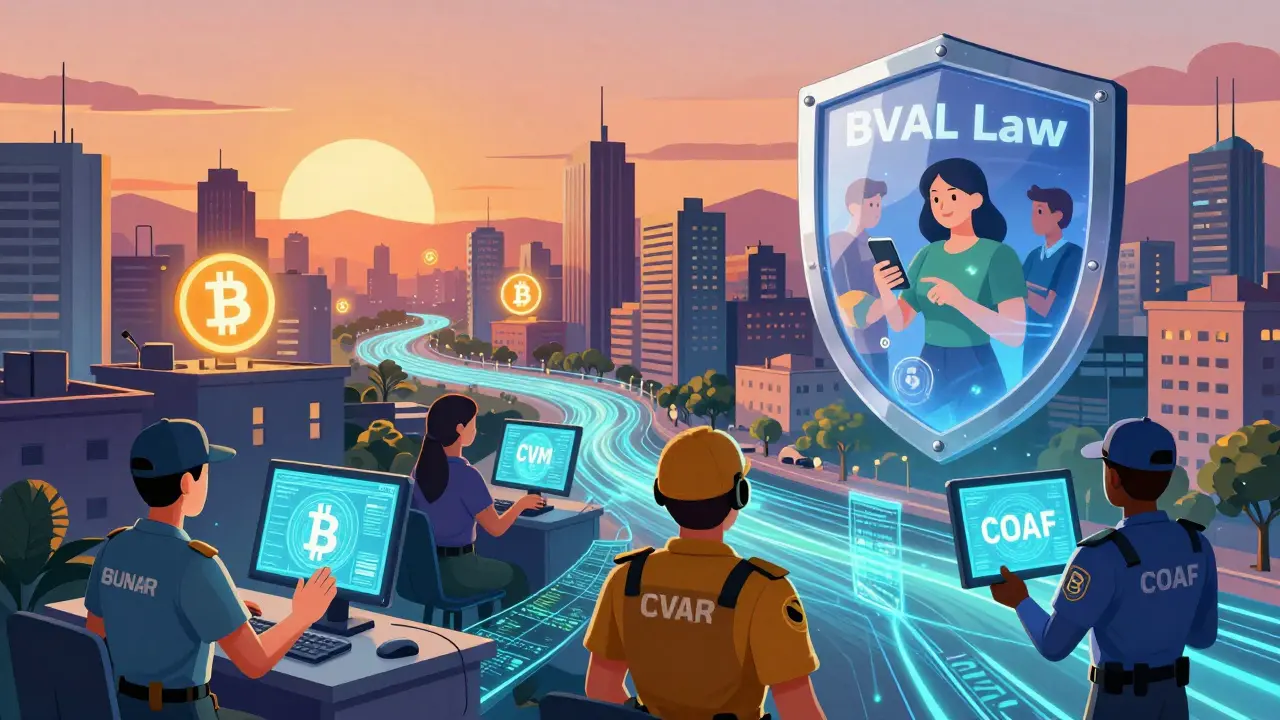
Brazil Crypto Regulations and Consumer Protection Laws Explained
Brazil's crypto regulations require all exchanges to be licensed by the Central Bank, with strict AML/KYC rules and stablecoin oversight. Consumer protection comes through transparency, not refunds.
read more