
Consumer Protection Crypto Brazil: What You Need to Know About Crypto Scams and Regulations
When you buy crypto in Brazil, consumer protection crypto Brazil, the legal safeguards that should shield retail investors from fraud and unfair practices. Also known as crypto investor rights in Brazil, it’s a patchwork of weak rules, unclear enforcement, and rising fraud. Unlike the U.S. or EU, Brazil doesn’t have a single agency that watches over crypto exchanges like it does banks. The Central Bank doesn’t regulate crypto as money, and the Securities Commission (CVM) only steps in when tokens are sold like stocks. That leaves most users on their own.
That’s why crypto scams Brazil, fraudulent platforms and fake airdrops targeting everyday users. Also known as Brazilian crypto fraud, it’s become a major problem—with over $200 million lost in 2024 alone, according to local law enforcement reports. Scammers use WhatsApp, Telegram, and Instagram to pose as official support teams from Binance or Coinbase. They trick people into sending crypto to fake wallets, promising double returns or fake tax refunds. Some even set up cloned websites that look real—until you can’t withdraw your funds. And because most of these platforms operate offshore, there’s almost no way to get your money back.
Even legitimate Brazilian crypto regulations, the legal framework trying to bring order to the chaotic crypto market. Also known as VASP rules in Brazil, it’s still evolving. In 2023, Brazil started requiring exchanges to register with the Central Bank as Virtual Asset Service Providers (VASPs). But enforcement is slow. Many small platforms still operate without licenses, and users have no way to tell which ones are safe. There’s no deposit insurance. No mandatory cold storage rules. No clear process to file a complaint. If your account gets hacked on an unregulated exchange? Tough luck. If a token you bought crashes because the team vanished? You have no legal recourse.
That’s why the most important tool you have is awareness. Know the red flags: promises of guaranteed returns, pressure to act fast, anonymous teams, and platforms that don’t show real customer support. Check if the exchange is registered with Brazil’s Central Bank. Never send crypto to a wallet address you didn’t initiate. And if something feels off—it probably is.
Below, you’ll find real cases of Brazilian crypto fraud, breakdowns of the most common scams targeting users in São Paulo, Rio, and beyond, and practical steps to protect your assets—even when the system won’t.
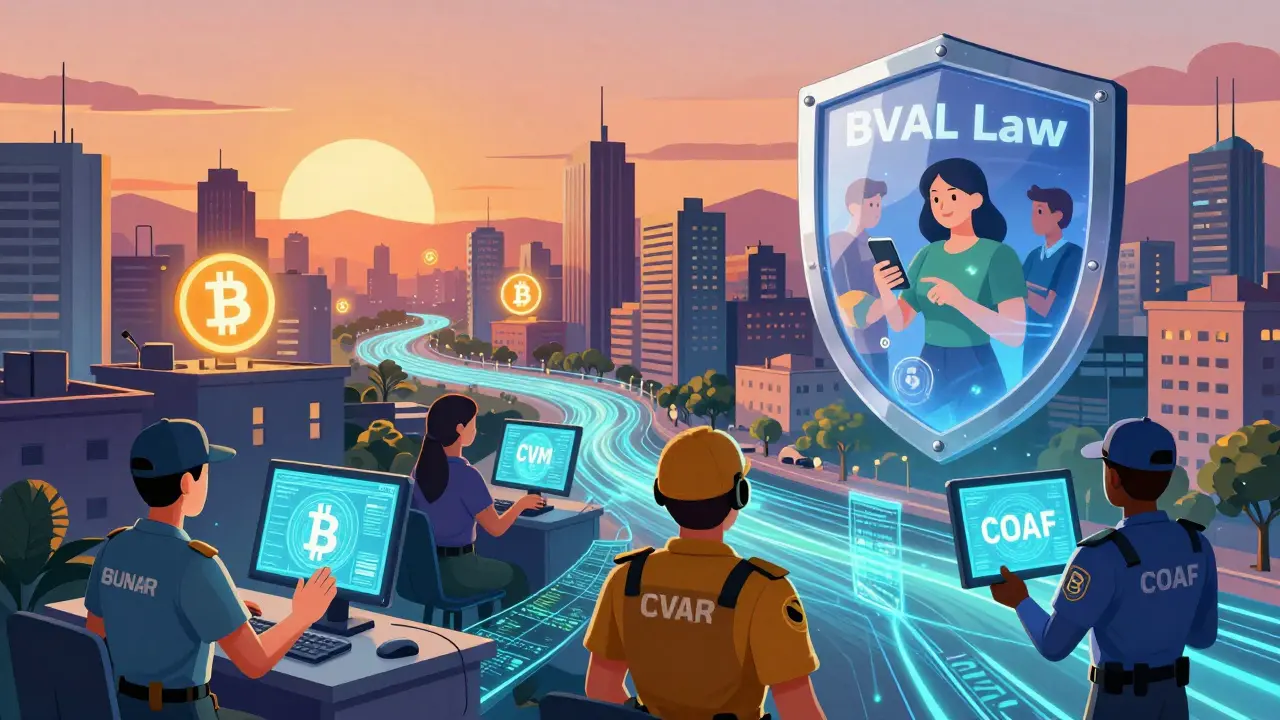
Brazil Crypto Regulations and Consumer Protection Laws Explained
Brazil's crypto regulations require all exchanges to be licensed by the Central Bank, with strict AML/KYC rules and stablecoin oversight. Consumer protection comes through transparency, not refunds.
read more