
OFAC Sanctions: What They Are, Who They Target, and How They Affect Crypto
When you hear OFAC sanctions, the U.S. government’s tool to block financial activity with targeted individuals, groups, or countries. Also known as Office of Foreign Assets Control restrictions, these are not suggestions—they’re legal blocks that freeze assets and cut off access to the U.S. financial system. If a crypto exchange, wallet, or token gets added to the OFAC list, banks, payment processors, and even major exchanges like Coinbase or Binance must cut ties. No exceptions. No gray area.
It’s not just about big names like Bitfinex or Tornado Cash. OFAC sanctions can hit obscure tokens, anonymous exchanges, or even individual wallet addresses if they’re linked to sanctioned entities. That’s why you see platforms like BXTEN or WeDEX avoid U.S. users entirely—even if they claim to be "global." It’s not about preference, it’s about survival. If they don’t screen for sanctioned addresses, they risk losing their banking relationships, getting fined millions, or being shut down by regulators.
And it’s not just exchanges. Sanctioned crypto addresses, wallets flagged by OFAC for ties to ransomware, terrorism, or illicit trade. Also known as blocked blockchain addresses, these are automatically filtered by wallet services and DeFi protocols. If you send ETH to one of these addresses—even by accident—your transaction fails. Some platforms will freeze your account. Others will report you. That’s why tools like blockchain explorers now show OFAC flags next to suspicious addresses. You’re not just trading crypto—you’re navigating a legal minefield.
Look at what happened with FintruX Network (FTX) or OneRing (RING). These tokens had no real use, no team, and no volume—but they still got caught in compliance sweeps because their smart contracts were used by users linked to sanctioned wallets. OFAC doesn’t care if a token is a scam. If it’s on a chain that interacts with a blocked address, it’s a risk. That’s why platforms like Mercurity.Finance built their entire model around MiCA and OFAC compliance—they know institutional clients won’t touch anything that’s not clean.
Even airdrops aren’t safe. The KIM (KingMoney) WKIM Mjolnir airdrop? Fake. But even real ones can get flagged if the project’s team or wallet is tied to a sanctioned jurisdiction. Pakistan’s new PVARA licensing rules? They’re partly shaped by OFAC pressure. India’s 30% tax and TDS? Those are domestic, but the reason Indian exchanges block offshore platforms like KuCoin? OFAC compliance. You can’t ignore it.
So what does this mean for you? If you’re trading on a platform with no KYC, no fiat on-ramps, or no public compliance team—you’re taking a risk. Not just from scammers, but from regulators. OFAC sanctions don’t care if you’re innocent. They care if your wallet ever touched a blocked one. That’s why crypto exchange restrictions, rules that prevent users from accessing platforms tied to sanctioned entities. Also known as geofencing or compliance blocks, these are now standard on regulated platforms. You can’t just trade anonymously anymore and expect to stay under the radar.
Below, you’ll find real reviews and breakdowns of platforms that got caught in these nets—some because they ignored compliance, others because they were too small to fight it. You’ll see which tokens vanished overnight, which exchanges vanished from U.S. app stores, and why some "privacy-focused" tools are now dead on arrival. This isn’t theory. It’s what’s happening right now.
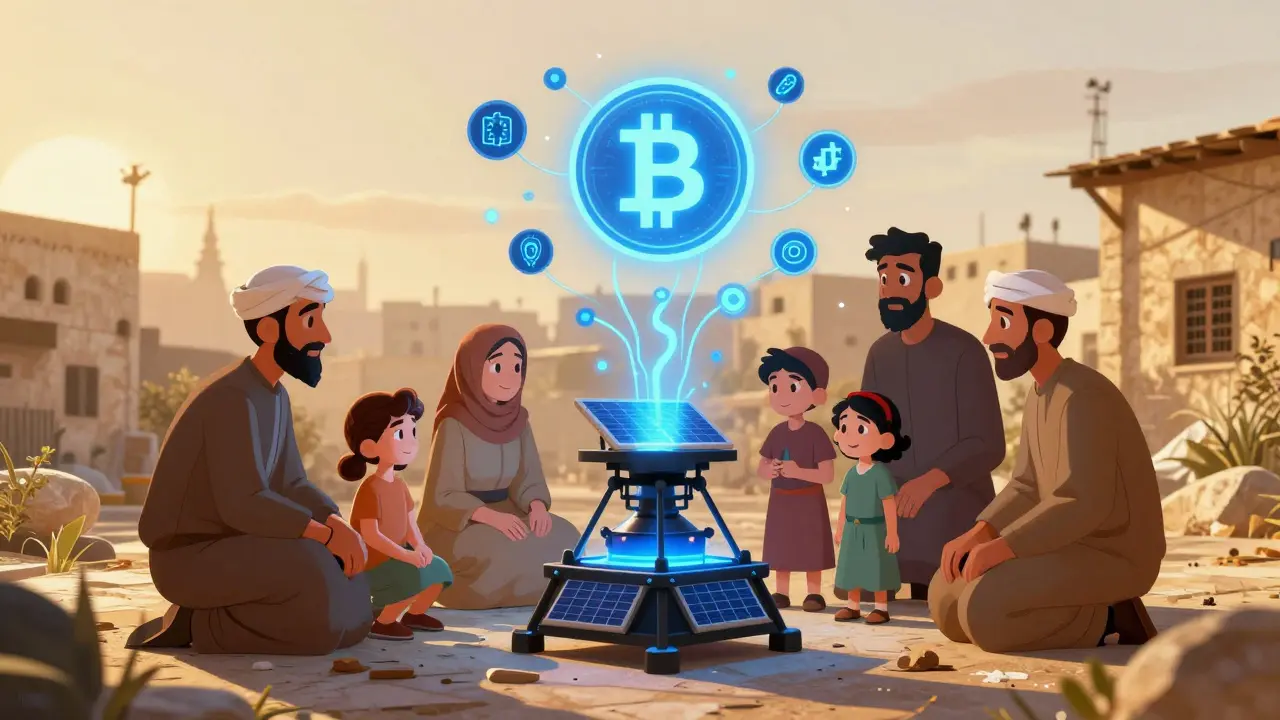
OFAC Sanctions Impact on Syrian Crypto Users: What Changed in 2025
In 2025, U.S. sanctions on Syria were dramatically lifted, allowing Syrian crypto users to legally access global exchanges, DeFi platforms, and mining hardware. This shift from blanket bans to targeted restrictions marks a major policy change with global implications.
read more
Myanmar Crypto Scam Networks: How $10 Billion in Fraud Operations Operate Behind Armed Border Zones
Over $10 billion was stolen from Americans in 2024 through crypto scams run from Myanmar's lawless border zones. These operations trap both victims and scammers in modern slavery, protected by armed groups and fueled by romance fraud.
read more
Myanmar Crypto Scam Networks: How $10 Billion in Fraud Operations Are Targeting Americans
Myanmar-based crypto scam networks have stolen over $10 billion from Americans in 2024, operating with armed group protection in Shwe Kokko. U.S. sanctions have targeted key players, but the crisis continues to grow.
read more