
Unregulated Crypto Platform: Risks, Real Cases, and How to Stay Safe
When you hear unregulated crypto platform, a digital exchange or service that operates without oversight from financial authorities. Also known as non-KYC exchange, it lets you trade without ID checks, taxes, or rules—but that freedom comes at a cost. These platforms aren’t illegal everywhere, but they’re never safe. They thrive where governments ban crypto, like Algeria or Nigeria, or where users want to avoid reporting gains, like in the UAE or India. But behind the promise of privacy and high returns, you’ll find empty wallets, vanished teams, and zero recourse.
Many P2P crypto trading, peer-to-peer transactions that bypass traditional exchanges happen on unregulated platforms. People in sanctioned countries use them to trade Bitcoin with cash or mobile money. But tools like Nonkyc.io or hidden Telegram groups don’t protect you from fraud—they just hide it. One user in Nigeria traded $10,000 in USDT through a P2P broker who disappeared. Another in Algeria lost $22,000 after a fake airdrop site asked for wallet access. These aren’t rare stories. They’re the norm.
Even projects that look legit—like ELIXIR AI (ELXAI), a Solana-based crypto project with no users and no working product—get pushed on unregulated platforms. They promise AI-powered 3D generation, but there’s no demo, no users, no trading volume. Why? Because they don’t need to deliver. They just need to attract buyers before the team cashes out. The same goes for micro-cap tokens like KittySpin or WENLAMBO. They’re listed on obscure exchanges with zero liquidity, where one big buyer can crash the price overnight.
Some think unregulated means better returns. But the data doesn’t lie: trading volume dropped after 2025’s global crackdowns—not because people stopped trading, but because they moved to safer, regulated options. The platforms that survived are the ones that followed rules, not avoided them. Binance Liquid Swap, for example, offers simple swaps without wallet connects—but it’s still under regulatory scrutiny. That’s not a weakness. It’s a safety net.
You won’t find a single case where someone lost money on a regulated exchange and had no way to report it. But on unregulated platforms? You’re on your own. No customer service. No chargebacks. No legal team. Just a Discord channel that goes silent when the price crashes.
Below, you’ll find real breakdowns of platforms that claimed to be revolutionary—but turned out to be traps. You’ll see how people in Algeria, Nigeria, and beyond still trade despite bans. You’ll learn which airdrops are real and which are just phishing links dressed up as free money. And you’ll find out why the safest crypto move isn’t chasing the highest yield—it’s knowing where not to put your money.
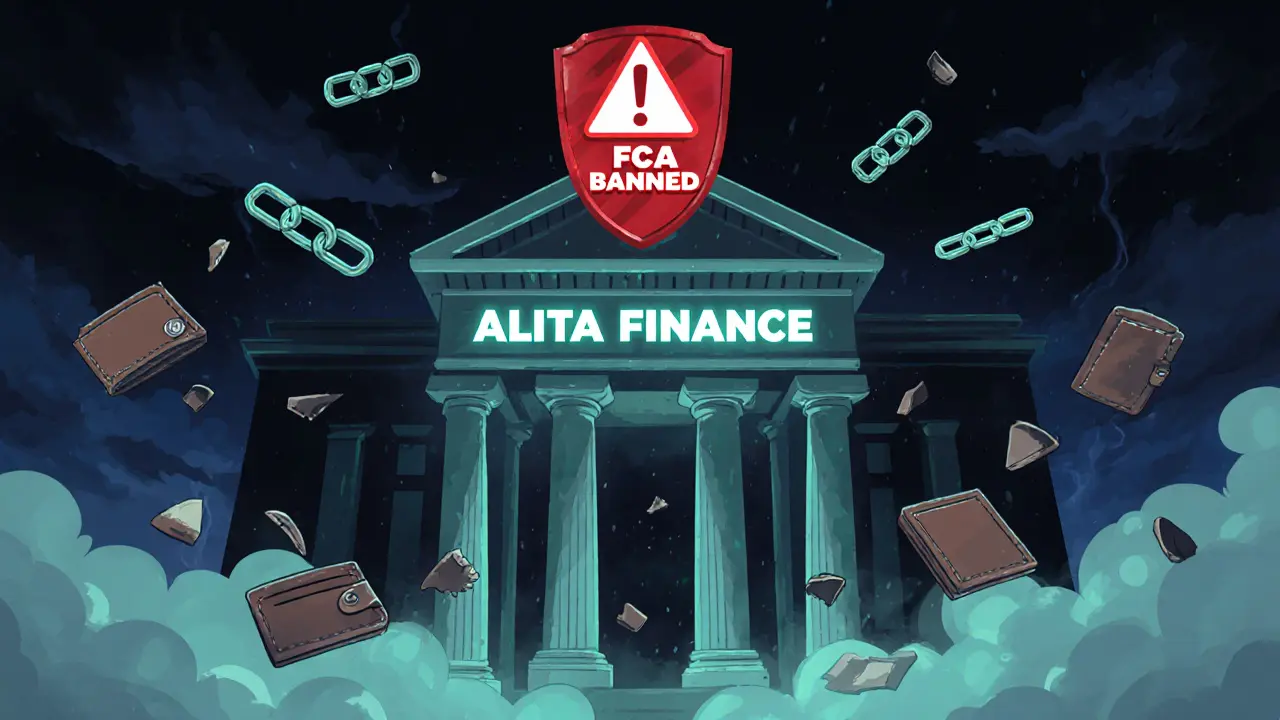
Alita Finance Crypto Exchange Review: Red Flags and Scam Warning
Alita Finance claims zero trading fees but has no regulation, no users, no security, and no real trading. Experts and regulators confirm it's a high-risk scam. Avoid this platform entirely.
read more