

Remember when Livecoin was the go-to spot for obscure altcoins? For years, this platform served as a bridge between major fiat currencies like the Euro and Russian Ruble and dozens of lesser-known digital assets. Founded in 2013, it carved out a niche by offering trading pairs that giants like Coinbase ignored. But the crypto landscape has shifted dramatically since then. With stricter regulations, higher security standards, and better liquidity on newer platforms, is Livecoin still worth your trust in 2026?
The short answer is complicated. While the platform remains operational and offers a unique selection of trading pairs, recent user sentiment has taken a sharp turn downward. A Trustpilot rating of 2.2 out of 5 in early 2026 signals growing frustration among users regarding support and transparency. If you are considering depositing funds here, you need to weigh the benefit of those rare altcoin pairs against the risks of low liquidity and potential account hurdles.
What Is Livecoin and Who Is It For?
Livecoin is a cryptocurrency exchange founded in 2013 that specializes in providing direct fiat-to-altcoin trading pairs. Unlike most modern exchanges that force you to buy Bitcoin or Ethereum first before swapping for smaller coins, Livecoin allows you to trade directly with USD, EUR, and RUB. This feature was revolutionary when it launched, catering heavily to traders in Europe and Russia who wanted to bypass the volatility of major cryptocurrencies.
The platform operates globally but excludes users from the United States due to regulatory constraints. It positions itself as a "libertarian" exchange, meaning it operates with less formal governance than heavily regulated competitors. For the average beginner looking for a simple, safe experience, Livecoin might feel clunky. However, for experienced traders seeking specific, low-cap altcoins not listed on Binance or Kraken, it remains one of the few accessible venues.
- Best for: Traders seeking direct fiat pairs for obscure altcoins.
- Not for: US residents, beginners wanting high liquidity, or those prioritizing top-tier customer support.
- Key Feature: Over 100 trading pairs involving USD, EUR, and RUB.
Fees and Trading Costs: How Much Will You Pay?
Cost efficiency is often the deciding factor for active traders. Livecoin employs a flat fee structure, which simplifies things compared to the complex maker-taker models used by larger exchanges. As of 2025-2026, the standard trading fee sits at approximately 0.18% per trade. Some earlier reports cited 0.16%, but current data suggests 0.18% is the norm for average users.
This rate is slightly below the industry average of 0.25% charged by many top-tier exchanges. High-volume traders can negotiate lower rates, potentially dropping to 0.02%. This makes it competitive for frequent traders, provided you don't mind the other drawbacks.
| Fee Type | Livecoin Rate | Industry Average | Note |
|---|---|---|---|
| Trading Fee (Maker/Taker) | 0.18% | ~0.25% | Flat rate; decreases with volume |
| BTC Withdrawal Fee | 0.0005 BTC | Varies (often higher) | Competitive for large withdrawals |
| Deposit Fee | Free (Crypto) | Free (Crypto) | Fiat deposits may incur bank charges |
Withdrawal fees are another area where Livecoin shines. The Bitcoin withdrawal fee of 0.0005 BTC is relatively low, especially if you are moving significant amounts. However, always check the network congestion status, as blockchain fees can fluctuate independently of the exchange's cut.
Liquidity and Trading Pairs: The Double-Edged Sword
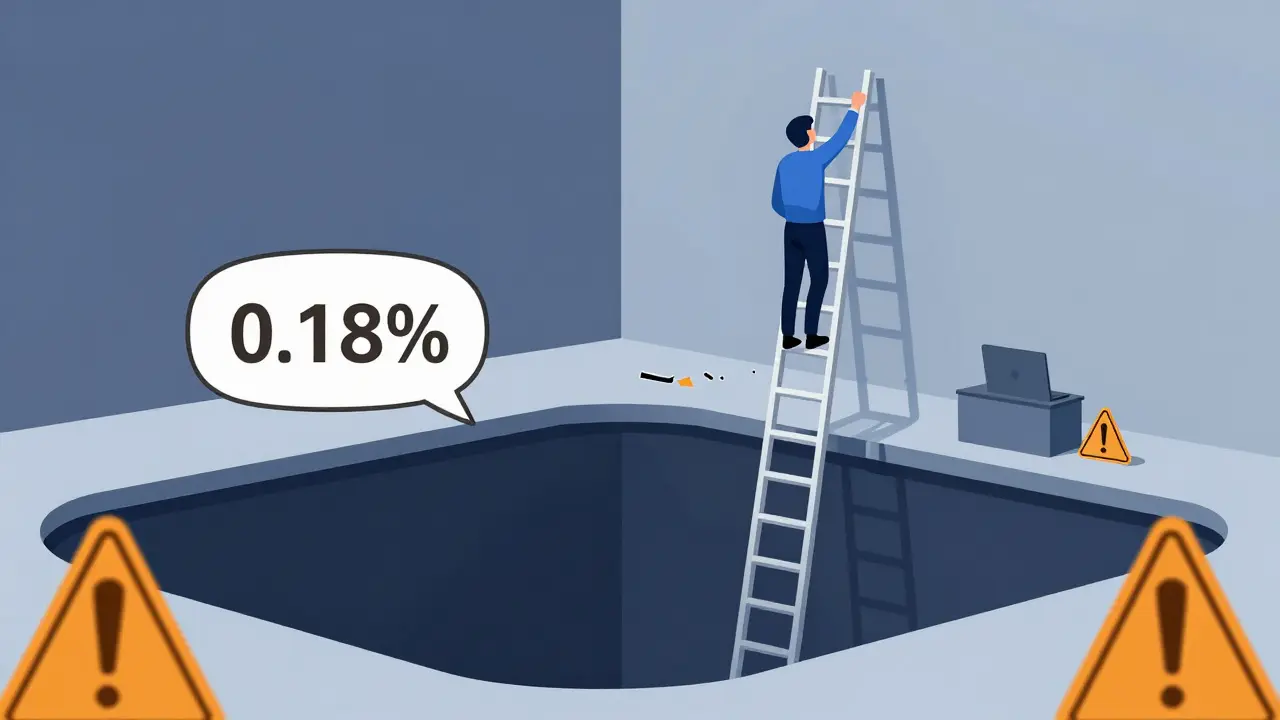
Here lies the core dilemma of using Livecoin. On one hand, it offers an extensive list of cryptocurrencies, including many obscure tokens you won’t find on Coinbase or Kraken. This variety is its main selling point. On the other hand, liquidity is severely lacking.
Liquidity refers to how easily you can buy or sell an asset without causing a drastic change in its price. Because Livecoin serves a niche market, the order books for many popular currencies are thin. Users have reported significant price slippage, meaning if you try to buy $1,000 worth of a coin, you might end up paying much more per unit because there aren't enough sellers at your desired price point.
This issue affects even relatively popular coins. If you are trading small amounts, it might not matter. But for medium-to-large trades, the lack of depth can eat into your profits. Always check the order book before executing a trade to ensure there is sufficient volume at your target price.
Security and Reliability: Has It Been Hacked?
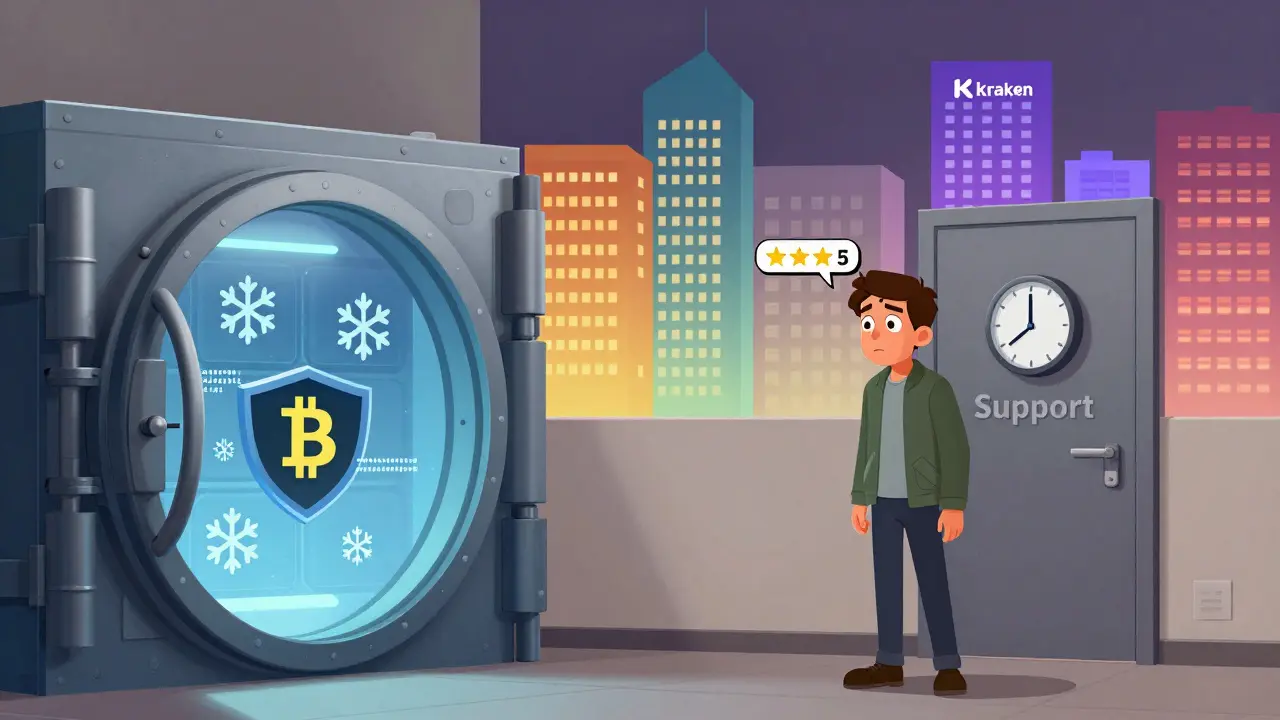
One of Livecoin’s strongest historical claims is its clean security record. Since its launch in 2013, the platform has not suffered a major hack resulting in user fund losses. In an industry plagued by breaches, this resilience is notable. The exchange stores the majority of user funds in cold wallets (offline storage), which protects against online attacks.
However, "no hacks" does not mean "no issues." Operational reliability has come under scrutiny. There have been instances where specific tokens, such as DibCoin (DIBC), faced frozen wallets and halted trading with poor communication from the team. Users reported assets being locked for weeks without clear explanations. While this wasn't a security breach in the traditional sense, it highlights a risk: if the project behind a token fails or gets delisted, your access to funds could be jeopardized.
Additionally, Livecoin operates in regulatory gray areas. It lacks the formal compliance frameworks seen in exchanges registered with major financial authorities. This means fewer consumer protections if something goes wrong. You are trusting the company’s internal policies rather than government-backed insurance schemes.
User Experience and Customer Support
The interface of Livecoin is functional but dated. It caters more to desktop users than mobile traders. While it supports both beginners and advanced traders through API access, the learning curve is steeper than modern competitors. Verification processes can be opaque, with limited documentation on exactly what steps are required for higher withdrawal limits.
Customer support is available 24/7 via chat and email in English, Russian, and Chinese. Historically, response times were acceptable. However, recent reviews suggest a decline in quality. Complex technical issues often take longer to resolve, especially when third-party blockchain networks are involved. The drop in Trustpilot ratings to 2.2/5 in early 2026 indicates that many users are struggling to get timely help with account reactivation or transaction disputes.
Is Livecoin Safe in 2026? A Critical Look at Reviews
To understand the current state of Livecoin, we must look at the divergence in user feedback. Older reviews from 2023-2024 praised the platform for its stability and unique offerings. Users liked the ability to trade altcoins directly with fiat currencies without converting through Bitcoin.
But the narrative has shifted. Recent data from 2025 and early 2026 shows a pattern of dissatisfaction. Key complaints include:
- Slow Deposits: Bitcoin deposits sometimes taking up to an hour to reflect in accounts.
- Account Reactivation Issues: Users reporting difficulty regaining access to old accounts.
- Poor Communication: Lack of updates during periods of suspended trading for specific tokens.
- Low Liquidity: Difficulty executing larger trades without slippage.
This trend suggests that while the platform is technically secure from hackers, its operational management may be lagging behind industry standards. In a market dominated by user-friendly, highly liquid exchanges, Livecoin’s friction points are becoming harder to ignore.
Alternatives to Consider
If Livecoin’s liquidity issues or support concerns give you pause, consider these alternatives based on your needs:
- Kraken: Excellent for security, regulatory compliance, and a wide range of altcoins. Higher fees but much better liquidity and support.
- Binance: The largest exchange by volume, offering hundreds of altcoins with deep liquidity. Not available in all regions, but generally more robust.
- Coinbase Advanced Trade: Best for beginners in the US and Europe. Lower selection of obscure altcoins, but high ease of use and strong regulatory backing.
- Huobi (HTX): Strong focus on Asian markets and obscure altcoins, similar to Livecoin’s niche but with higher overall volume.
For most traders, the combination of better liquidity, clearer regulatory status, and improved customer support on these platforms outweighs the convenience of Livecoin’s direct fiat pairs. You can often achieve similar results by buying a major stablecoin (like USDT) on a primary exchange and then swapping for the altcoin on a secondary platform.
Final Verdict: Should You Use Livecoin?
Livecoin remains a viable option only for a very specific type of trader: someone who needs direct fiat access to obscure altcoins and is comfortable navigating lower liquidity and potential support delays. If you fall into this category, proceed with caution. Start with small amounts, verify your account thoroughly, and monitor the order books closely.
For everyone else, the risks likely outweigh the benefits. The declining user satisfaction scores and operational hiccups reported in 2026 suggest that the platform is struggling to keep pace with modern expectations. Unless you have a compelling reason to use Livecoin specifically, established exchanges offer a safer, smoother, and more reliable trading experience.
Can I use Livecoin if I live in the United States?
No, Livecoin does not serve customers from the United States due to regulatory restrictions. You will need to use a US-compliant exchange like Coinbase, Kraken, or Binance.US.
How safe is Livecoin with my money?
Livecoin has never suffered a major hack since 2013, which is a positive sign. However, it operates in regulatory gray areas and has faced operational issues like frozen wallets for specific tokens. It is considered moderately safe but lacks the consumer protections of fully regulated exchanges.
Why is the liquidity so low on Livecoin?
Livecoin serves a niche market focused on obscure altcoins and specific fiat pairs (EUR, RUB). It does not have the massive user base of giants like Binance, resulting in thinner order books and higher price slippage for larger trades.
What are the trading fees on Livecoin?
The standard trading fee is approximately 0.18% per trade, which is slightly below the industry average. High-volume traders may qualify for reduced rates down to 0.02%. Bitcoin withdrawal fees are 0.0005 BTC.
Is Livecoin good for beginners?
Not really. While the interface is simple, the lack of liquidity, complex verification processes, and slower customer support make it challenging for new users. Beginners are better served by more user-friendly platforms like Coinbase or Kraken.

Write a comment