
Crypto Romance Scams: How Fake Love Steals Your Crypto
When someone you meet online claims to be a crypto expert, promises huge returns, and asks you to send funds to a "secure wallet"—it’s not love. It’s a crypto romance scam, a type of fraud where scammers build fake emotional relationships to trick victims into sending cryptocurrency. Also known as pig butchering scams, these schemes prey on loneliness, trust, and the excitement of getting rich quick. These aren’t just phishing emails or fake apps. They’re long-term manipulations that can last months, with the scammer pretending to be a soldier, engineer, or wealthy investor who just needs a small transfer to unlock a fortune.
Behind every crypto romance scam is a fake crypto exchange, a platform designed to look real but controlled entirely by criminals. Think of platforms like BtcPro or Alita Finance—these names pop up in scammer stories because they’re used to make victims believe they’re investing in something legitimate. The scammer shows you fake screenshots of growing balances, sends you links to cloned sites, and even pretends to help you withdraw. But once you send crypto, the account vanishes. No refunds. No trace. And the person you thought you loved? They’re a bot or a professional con artist working in a call center overseas.
These scams don’t target just beginners. Even people who know how to use wallets and read blockchain explorers fall for them because the emotional hook is powerful. You’re not being fooled by tech—you’re being fooled by someone who listens, remembers your birthday, and makes you feel seen. That’s why crypto dating scams, a subset of romance fraud where scammers use dating apps and social media to find victims are so dangerous. They’re not asking you for money right away. They’re building a relationship first. Then, they introduce "their crypto project," "their trading strategy," or "the one time you can make millions."
Look for the signs: someone who avoids video calls, has a perfect but vague backstory, pushes you to invest fast, or insists you use a specific wallet or exchange. If they mention airdrops like WKIM Mjolnir or KTN Adopt a Kitten—run. Those are fake, just like the person behind them. Real crypto projects don’t need you to send funds to a stranger to access rewards. And real partners don’t want your private keys.
Below, you’ll find real reviews of platforms that have been used in these scams, breakdowns of fake tokens tied to romance fraud, and warnings about airdrops that don’t exist. These aren’t theoretical risks. They’re documented cases—people lost thousands because they trusted someone who wasn’t real. You don’t need to be an expert to avoid this. You just need to remember: if it feels too good to be true, and it involves crypto, it probably is.

Myanmar Crypto Scam Networks: How $10 Billion in Fraud Operations Operate Behind Armed Border Zones
Over $10 billion was stolen from Americans in 2024 through crypto scams run from Myanmar's lawless border zones. These operations trap both victims and scammers in modern slavery, protected by armed groups and fueled by romance fraud.
read more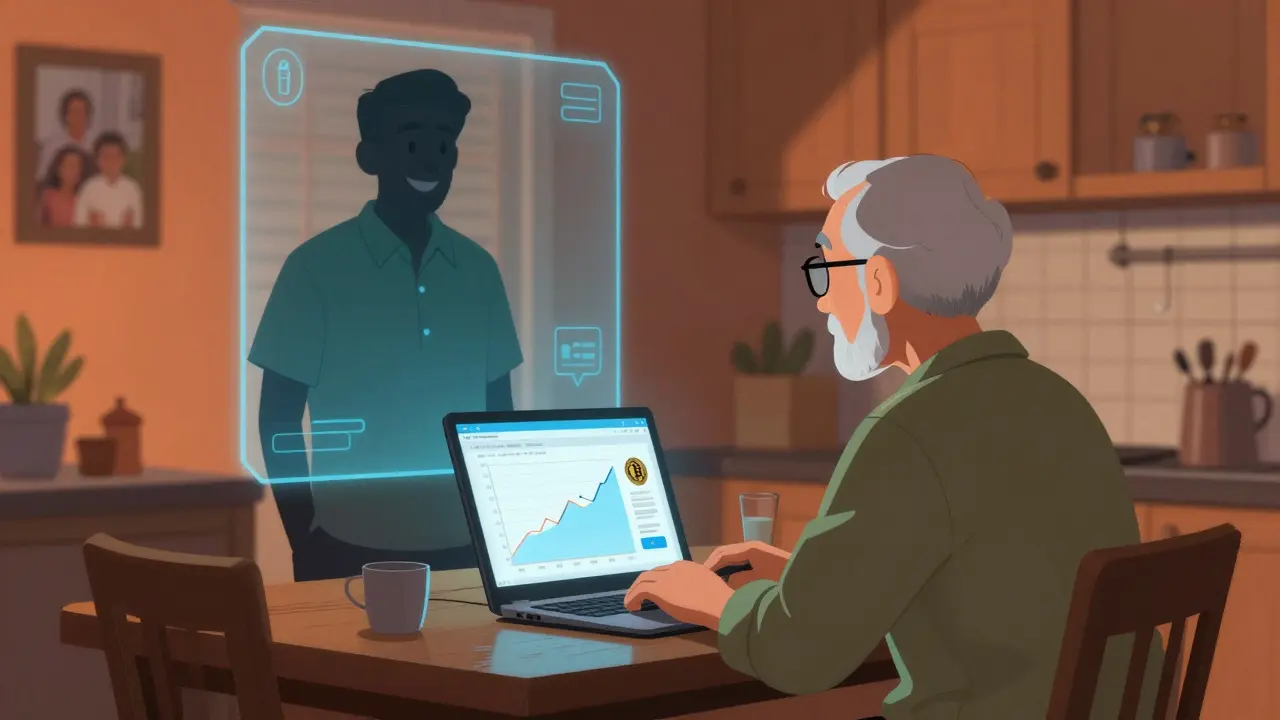
Myanmar Crypto Scam Networks: How $10 Billion in Fraud Operations Are Targeting Americans
Myanmar-based crypto scam networks have stolen over $10 billion from Americans in 2024, operating with armed group protection in Shwe Kokko. U.S. sanctions have targeted key players, but the crisis continues to grow.
read more