
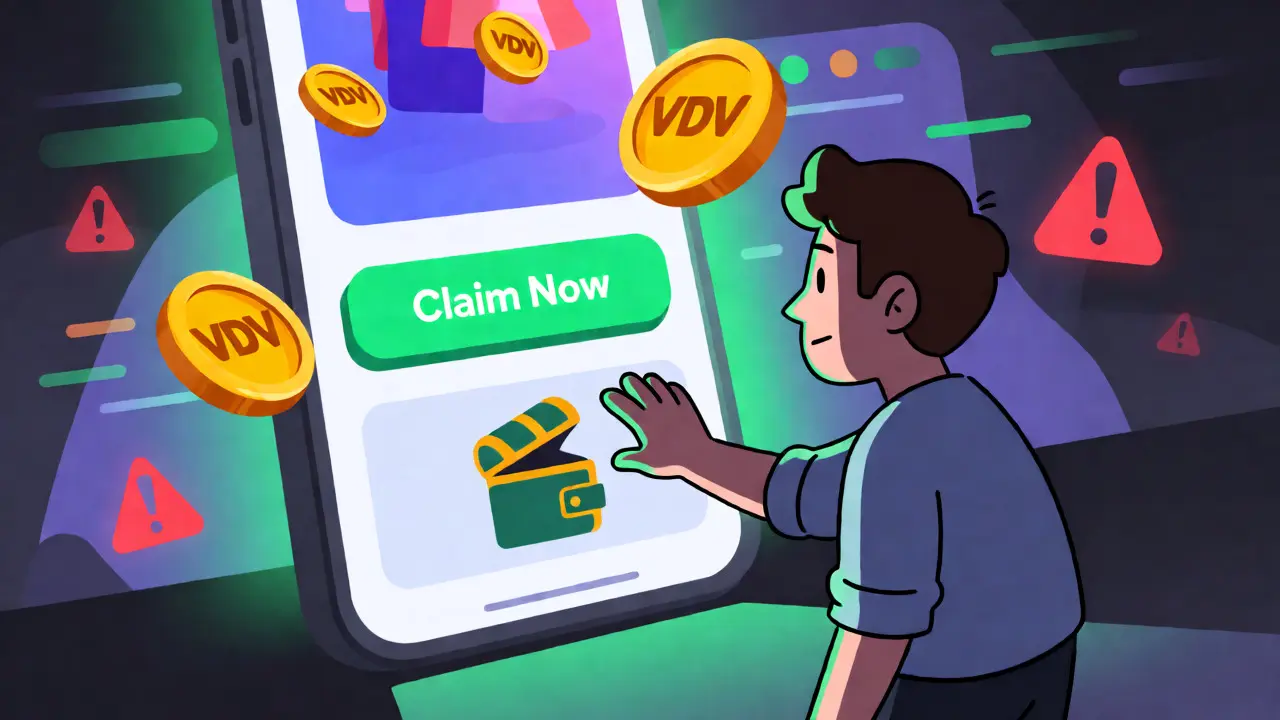
You see a notification for the VIRVIA airdrop offering free VDV tokens just for shopping online. It sounds like easy money. You click the link, connect your wallet, and maybe even buy something to "qualify." But before you sign that transaction or share your seed phrase, stop. There is a massive red flag waving here.
As of late 2025 and into 2026, the crypto world has been flooded with fake "shopping platform" airdrops. The VIRVIA ONLINE SHOPPING operation fits this pattern perfectly. Extensive analysis by security firms and community trackers suggests that the VDV token is not backed by any real blockchain infrastructure. In fact, it looks less like an investment opportunity and more like a trap designed to drain your digital assets.
The Reality Behind VIRVIA and VDV
Let’s cut through the noise. If you search major crypto aggregators like CoinGecko or airdrops.io for legitimate upcoming projects, you will find names like Monad, Hyperliquid, or Abstract. You will not find VIRVIA. This absence is critical. Legitimate projects build hype through technical documentation, testnet participation, and verified developer activity. VIRVIA has none of these.
According to a report from Nansen, there are no credible funding rounds or community growth metrics for any project using the VIRVIA name. The domain virvia.online was registered recently via a privacy service, meaning the owners are hiding their identity. This is a classic move in the playbook of crypto scammers. They create a shiny website, promise guaranteed returns, and then vanish once they have collected enough user data and funds.
Red Flags That Scream "Scam"
How do you know if an airdrop is real? Usually, it involves some work on your part-interacting with a protocol, testing a network, or holding specific assets. VIRVIA promises "guaranteed VDV tokens" for minimal effort. That is too good to be true. Here are the specific warning signs identified by security experts:
- No On-Chain Activity: Etherscan and Solscan show zero contract deployments for a "VDV" token on major networks. If the token doesn't exist on the blockchain, how can it be distributed?
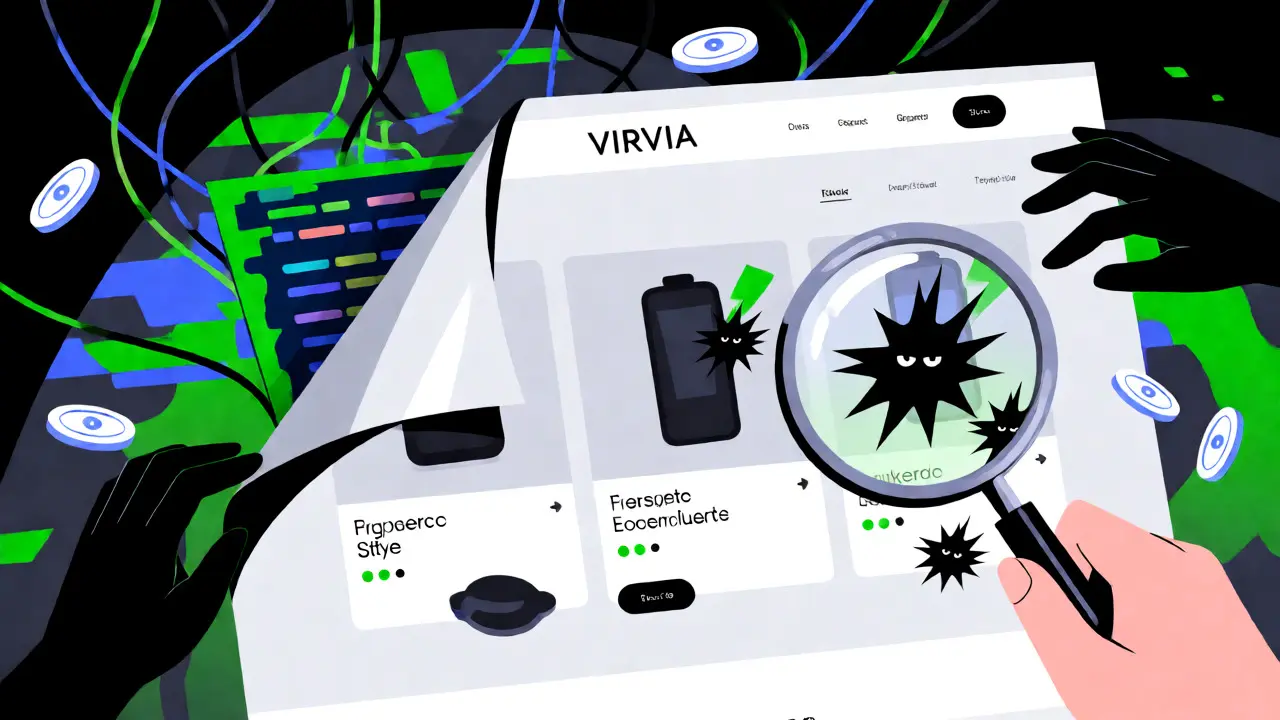
- Cloned Website Design: Analysis tools detect that the VIRVIA site uses cloned Shopify templates. The code is modified specifically to harvest wallet credentials when you try to "claim" your reward.
- Seed Phrase Requests: Many users reported being asked to verify their wallet by entering their private key or seed phrase. No legitimate airdrop ever asks for this. Never give it out.
- Domain Hopping: The operation migrated from
virvia.shoptovirvia.onlineafter facing takedown requests. This indicates they are running from regulators and security teams.
What Security Firms Are Saying
The consensus among industry professionals is clear. CertiK, a leading blockchain security firm, noted in their Q2 2025 report that 78% of "too good to be true" airdrops were confirmed scams. Fake shopping platforms made up 22% of those cases. Similarly, Halborn CEO Marc Kenneth stated that VIRVIA exhibits all 12 red flags used to identify fake airdrop operations.
Community feedback reinforces this. On Reddit’s r/CryptoAirdrops, moderators have documented over 140 similar scams in recent quarters. Users who connected their wallets to VIRVIA reported losing an average of $850 per incident. These weren't small mistakes; they were direct drains caused by malicious smart contracts hidden behind the "claim" button.
| Feature | VIRVIA (Suspected Scam) | Legitimate Airdrop (e.g., Monad) |
|---|---|---|
| Token Existence | No verified contract on Etherscan/Solana | Verified contract with audit history |
| Requirement | Connect wallet + Buy product (often fake) | Testnet interaction / Points system |
| Transparency | Anonymous team, privacy-registered domain | Public team, VC backing, whitepaper |
| Promises | "Guaranteed" high-value tokens | Speculative rewards based on usage |
| Risk Level | High (Wallet draining) | Low to Medium (Gas fees only) |
How the Scam Works
The mechanics are simple but effective. First, you see an ad or social media post promising free VDV tokens. You visit the site, which looks professional thanks to pre-made e-commerce templates. You create an account and perhaps make a small purchase to "unlock" the airdrop eligibility. Then comes the catch.
To claim your tokens, the site asks you to connect your Web3 wallet. Once connected, a malicious script prompts you to sign a transaction. This isn't a standard approval; it’s often a permission grant that allows the scammer's address to withdraw tokens from your wallet. In some cases, victims lost ETH or stablecoins instantly. In others, the site harvested personal data for future phishing attacks.
Protecting Yourself From Shopping Platform Scams
You don’t need to be a blockchain expert to spot these traps. Just follow these rules of thumb. If a project asks for your seed phrase, walk away. If the domain is newly registered (< 6 months old) and lacks a verifiable business address, be skeptical. Always check if the token actually exists on a block explorer before interacting.
Use tools like Revoke.cash to regularly check what permissions you’ve given to unknown sites. If you already interacted with VIRVIA, revoke all approvals immediately. Consider moving significant funds to a new hardware wallet if you suspect your keys were compromised during the process.
Final Verdict
Is the VIRVIA airdrop worth your time? Probably not. With no on-chain presence, anonymous operators, and a history of wallet-draining incidents, it poses a higher risk than most speculative crypto plays. The Federal Trade Commission and various international bodies have flagged similar operations as high-risk. Don’t let the allure of "free money" blind you to the cost of losing your actual capital.
Is the VIRVIA airdrop legitimate?
No, current evidence suggests it is a scam. Major crypto tracking platforms like CoinGecko and Nansen do not list VIRVIA as a verified project, and there is no verifiable smart contract for the VDV token on Ethereum or Solana.
Did I lose money if I connected my wallet to VIRVIA?
Not necessarily. Simply connecting a wallet usually doesn't drain funds unless you signed a malicious transaction. However, you should revoke all permissions using a tool like Revoke.cash and monitor your wallet for unusual activity.
What is the VDV token?
VDV is the claimed native token of VIRVIA ONLINE SHOPPING. However, blockchain explorers show no active contract for this token, suggesting it may not exist or is purely internal to the scam website.
Why did VIRVIA change its domain?
Reports indicate the operation moved from virvia.shop to virvia.online after receiving takedown requests from security teams. Domain hopping is a common tactic used by scam operations to evade detection and continue collecting victim data.
Can I trust shopping platform airdrops in general?
Be very cautious. Chainalysis reports that fake e-commerce airdrops accounted for 31% of airdrop-related fraud in mid-2025. Always verify the project's existence on reputable aggregators before engaging.

Write a comment